50 YEARS OF CONSTITUTIONAL EXPERIMENT

As Tanzanians celebrated fifty years of independence on 9th December 2011, they also engaged in an animated national debate over constitutional developments anticipated for 2012 (see TA No 99). This is not for the first time, nor are the basic issues unfamiliar: citizens are concerned to improve democratic structures, protect human rights and clarify the uneasy relationship between the mainland and Zanzibar.

In 1961 the Trust Territory of Tanganyika, to most people’s surprise, overtook its neighbours Kenya and even Uganda in the race to independence but, following the pattern of previous British decolonisation, paradoxically became for the first time part of the dominions of HM Queen Elizabeth II, represented locally by Governor-General Turnbull! (Zambia broke the mould in 1964, when it passed overnight from Protectorate to independent Republic.) Tanganyika also joined the Commonwealth (Nyerere’s ultimatum on apartheid having earlier forced the withdrawal of South Africa, a founder member of the organisation).

More surprises lay ahead. A month later, in a move unique among African nationalist leaders, Prime Minister Nyerere (still awaiting a biographer) resigned, replaced by his loyal deputy, the late Rashidi Kawawa. Nyerere spent much of 1962 as leader of the Tanganyika African National Union (TANU), which dominated Parliament and therefore controlled the Government, visiting local party branches to study and strengthen its democratic structures, based on ten-house cells at village level. Following constitutional amendments, Tanganyika became a Republic on the first anniversary of independence and Nyerere was installed as President, to lead the Government and country for more than 20 years.

Zanzibar gained independence on 9th December 1963; a month later the Sultan and Constitution were overthrown by revolution and the Afro-Shirazi Party (ASP) assumed control. In April 1964 the Articles of Union between Tanganyika and Zanzibar were signed, establishing the United Republic which later adopted the name Tanzania. Thus began a unique and troublesome quasi-federal relationship, which continues to dog national politics.

In 1965, in accordance with a TANU and Government decision and following a draft prepared by a Presidential Commission, the innovative one-party Constitution was adopted (see TA No 4). Redrafted in 1977, when TANU had become Chama Cha Mapinduzi (CCM), it lasted for over 25 years and still casts its shadow. It effectively subordinated national organs like the National Assembly to the primacy of Party organs. At elections voters chose between two TANU candidates selected by primary (party) elections, although in Presidential elections they voted for or against the single candidate nominated by TANU. Uniquely, Tanzania was a one-party state with two ruling parties (CCM on the mainland, ASP in Zanzibar), two Constitutions (Zanzibar adopted its own in 1979), two Presidents, two Parliaments and two governments.

Tanzanian leaders had rejected the inclusion of a justiciable Bill of Rights in the independence Constitution, but to protect citizens the 1965 Constitution adopted a novel form of collegiate `Ombudsman’ – the Permanent Commission of Inquiry, to investigate citizens’ complaints of maladministration. The only other Ombudsman then in the Commonwealth – in New Zealand – provided the model for the law Tanzania adopted. Not until 1984 did Parliament respond to public political pressure and add the Bill of Rights, enforceable by the courts, to the Constitution. The celebrated Arusha Declaration 1967 had constitutional implications, especially in the Leadership Code, as did the elaborate but ill-fated project of decentralised government in the 1970s.

Major constitutional change followed the Nyalali Presidential Commission (1991) (TA 50). This reflected and focussed public opinion in favour of a multi-party system, which was established by constitutional amendments. However, loyalty to the former single party CCM has given it overwhelming Parliamentary majorities at successive General Elections, only slowly eroded by the several opposition parties.

Jim Read

Now, for the latest information on the constitutional debate we are grateful to Frederick Longino who has brought us up to date:

BUMPY RIDE FOR THE CONSTITUTION

Compiled by Frederick Longino

Few issues in Tanzania recently have attracted the attention given to the first stages of the constitutional review process now under way. Recent debates in parliament have attracted an unusual amount of interest and controversy.

After months of consultation, meetings of legislative committees, and waiting, a Bill allowing for the establishment of a Constitutional Review Body was read for the first time in the National Assembly on 18th April 2011. Following many complaints it was then amended and presented again.

A Tanganyika Law Society (TLS) press release stated that the Bill didn’t accurately reflect the will of the people. Many Zanzibaris in particular were unhappy. Many people wanted a new, rather than a ‘rewritten’ constitution, and the removal of inviolability clauses to ensure greater representation on the proposed Constituent Assembly. The Guardian reported ‘Constitutional Review Bill still drawing fire’. Suggestions came from human rights groups like TAMWA, The Legal and Human Rights centre, the Tanzania Retired Judges Association, the Trade Union of Tanzania, the University of Dar es Salaam academic staff assembly, the Centre for Democracy and the opposition parties. Consequently, the Citizen wrote that ‘elders should step in and rescue the Bill.’

In November, the government continued to solicit last minute consultations with constitutional experts from the University of Dar es Salaam and ex-prime ministers including Joseph Warioba and Salim Ahmed Salim.

This last minute opposition by activists, academics and civil societies didn’t diminish the government’s determination to take the Bill to parliament in Dodoma for the second reading in November. The main object of the Bill was to set in motion the process of collecting people’s views and re-writing the country’s basic law.

In the debates in parliament, MPs gathered amidst half a dozen media cameras. CCM MPs cheered wildly when anything was said to ridicule the opposition Chadema and NCCR-Mageuzi MPs.

Walkout
There was a walkout after Chadema’s Tundu Lissu MP had read an alternative draft Bill and rejected the government Bill. He objected that the Bill did not contain the various recommendations made by parliament when the first draft was rejected in April 2011. However both the government and Speaker refused to withdraw the Bill on the grounds that Tanzanians had been consulted and all legal processes had been followed. Chadema argued that the proposed Bill had given super powers to the President, including him being the only appointment authority of the constitutional commission, the qualifications of the constitutional commissioners, timescales for both debating the Bill and the proposed completion time. Eventually Chadema and NCCR-Mageuzi MPs boycotted the session by walking out prompting wild boos and cheers from CCM MPs (Mwananchi).

No volume of cheering CCM MPs could drown out the technical mistakes that afflicted the Bill but it was finally endorsed by parliamentarians on 17th November 2011. Retired Justice Khamis Msumi said that: ‘The terms of reference of the people who will draw up the constitution are the heart of the matter because they are the ones which lead the commission…the consequences of having bad terms will be the forming of a bad constitution’ – The Citizen.

When the opposition parties and civil societies came out in protest, even after parliamentary approval, the sealed Bill had already become an Act. The Minister’s envelope resembled a Christmas party gift on Christmas Day. The Bill was immediately dispatched to the State House for President Kikwete to assent, as explained when all local newspapers featured the story on 19th November.

At the last parliamentary debate arguments by both CCM and opposition MPs made MPs seem like a ‘grade-school talent pageant’. It is unfortunate that the few MPs from the opposition could not block the motion going through against the majority CCM MPs. The home audience following the debate through Star TV and TBC1 would have been baffled by what they saw – Mtanzania, Majira and The Citizen reported on 15th November that ‘the road to the new constitution will be very bumpy’.

Immediately after walking out, MPs from Chadema and NCCR-Mageuzi indicated that they no longer wanted to participate in the debate and the passing of the Bill, but preferred to speak directly to Tanzanians nationwide. The Guardian reported this on 16th Nov, but the Police immediately banned all political rallies.

Chadema meets the President

Chadema leadership meet with President Kikwete

Earlier Chadema had requested to meet President Kikwete to discuss the Act. Chadema claimed that the President had been misinformed of their party’s views. The two met in talks described as fruitful and apparently agreed that there was a need for the government and other stakeholders to hold constant meetings and consultations, for the purpose of soliciting a national consensus. But government believed that the bill was perfect and the day after the President met Chadema he signed the Constitution Bill. The President made it clear that he would continue to receive views from stakeholders on how to best to improve the situation. Chadema then indicated that they would be boycotting the entire process of constitutional review, according to The Citizen on 30th November.

For the huge majority of people abroad and in Tanzania it appeared that Chadema had not been much involved in deciding the contents of the Bill.

The Constitutional Review Act 2011 stipulates that ‘politicians including MPs, councillors, security organs, officers or anyone charged in court with offenses related to ethics and losing trust, will not be nominated to the Commission’ and that the Constitutional Assembly would comprise all union MPs, all members of the House of Representatives, ministers responsible for the constitution and justice from the Union and Zanzibar and Chief Justices from both sides of the Union. In addition, there will be 116 members who will be selected from NGOs, religious organisations, political parties, higher learning institutions and groups of people with special needs. The Bill stipulates in section 27 (1) that the Tanzania Electoral Commission in collaboration with the Zanzibar Electoral Commission would supervise a referendum to decide whether the country should have the new constitution or not.

However, Tanzania Daima reported on 12th November that Zanzibaris wanted the new union constitution to recognise Zanzibar’s status as a country. It is currently ‘seen’ as one of the regions of the United Republic of Tanzania. There were threats of demonstrations to make their voices heard, Nipashe reported.

If there is to be a moment of anxiety for Tanzanians it would probably be during this period until the review is completed. The government said it is very much committed to a ‘new’ or ‘lipsticked’ constitution. But, to fill time, the government has fulfilled its duty to present the Bill in parliament for debate.

The constitution, to Tanzanians, is the mother of other laws that all Tanzanians need to adore, and they could do a lot of good with it for their future. When the new constitution is ready Tanzania will be brighter. However, the ‘lipsticked’ constitution will certainly be unfit for the forthcoming challenges in the ever-changing Tanzania, Zitto Kabwe an MP for Chadema, writes in his facebook.

Frederick Longino is a PhD student at York University studying the Interplay between Childrens Welfare and African Pentecostal Belief and Practice. Earlier he worked on Good Governance in the President’s Office in Dar es Salaam.

IGUNGA BY-ELECTION

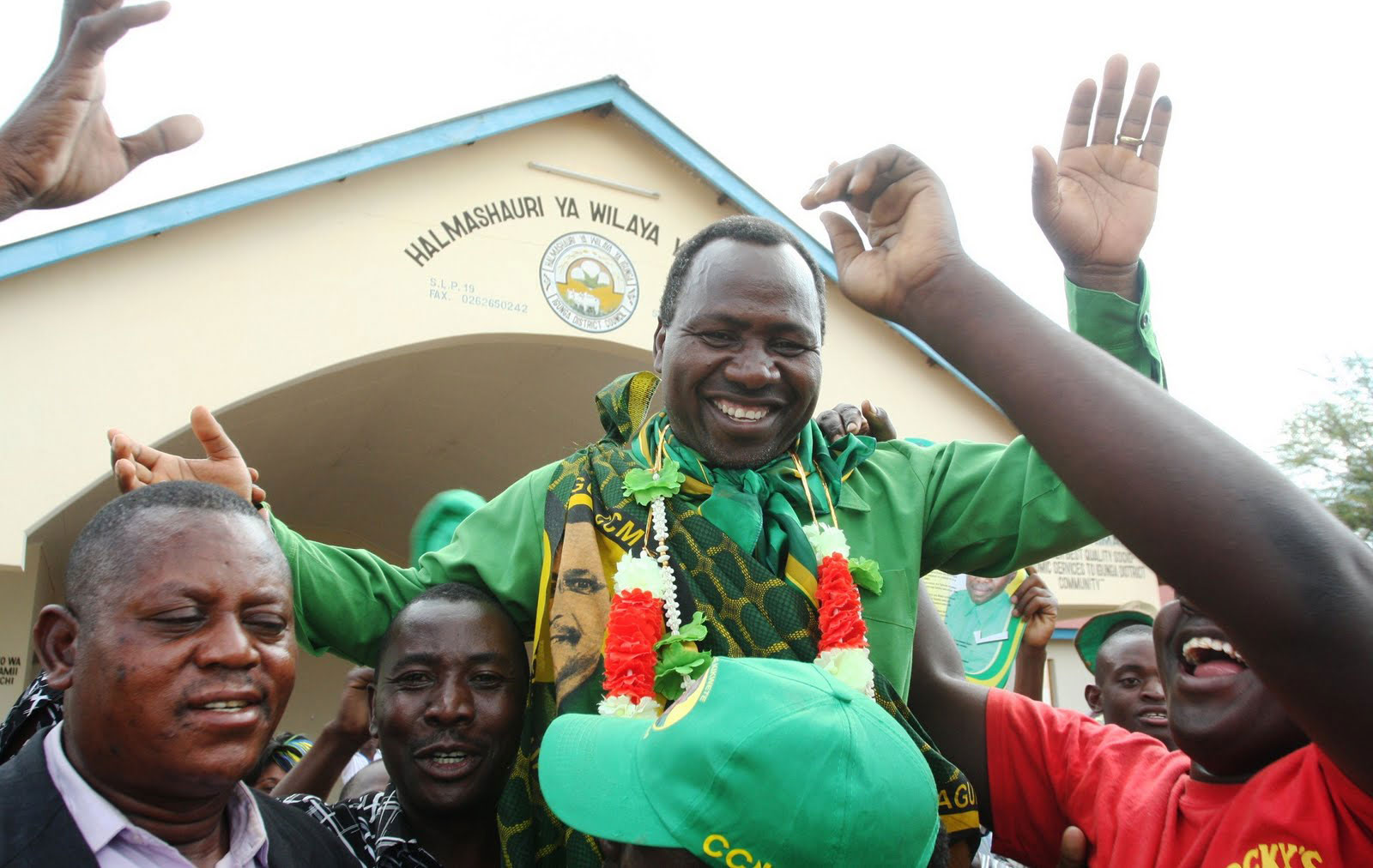
Newly elected MP Peter Kafuma (CCM) is held aloft by his supporters

The Igunga district in Tabora Region might have become prominent in the history of Tanzania if, in the recent by-election there, Tanzania’s main opposition party Chadema had wrested the seat from the ruling CCM party. Both parties made tremendous efforts to win in some of the most active political campaigning Tanzania has ever seen. But Chadema lost and Igunga will now presumably return to its previous political obscurity.

Former President of Tanzania Benjamin Mkapa was chosen by CCM to lead its campaign. In his opening speech he slammed the opposition parties for trying to persuade the public that CCM had done nothing since independence. He said that during his term in office he worked closely with the existing Igunga MP, Rostam Aziz, (a prominent figure in the CCM leadership) to bring development to the area. “Such cooperation had made Igunga one of the most exemplary districts in Tanzania in terms of social development” he said.

The ruling CCM won the by-election by a narrow margin over the opposition party. Dr Peter Kafumu of CCM got 26,484 votes while Chadema’s Peter Kashindye got 23,260. Leopold Mahona from the Civic United Front (CUF), who was earlier considered a threat to CCM although the party’s main strength is in Zanzibar, was far behind with only 2,104 votes – Majira.

It was a highly eventful by-election in which all three main candidates used helicopters. Among the incidents reported in the press:

– the CUF candidate exchanged blows with Field Force Police after he was forced down from a podium. The police discovered that CUF had organized a meeting in an area already designated for Chadema.

– former President Benjamin Mkapa asked voters to choose CCM and not ‘childish’ political parties – Mwananchi.

– all parties fielded many of their top people including Chadema chairman Freeman Mbowe, Secretary General Dr. Wilbroad Slaa and youthful and charismatic MPs like Zitto Kabwe, Joseph Mbilinyi, Halima Mdee and John Mnyika.

– the media were there in strength. One journalist wrote how a CCM leader had been found in bed with another man’s wife but had escaped being beaten (Tanzania Daima). Later, CCM was reported to be buying up all newspapers in Igunga to bury the scandal – Mtanzania.

– Chadema supporters temporarily arrested the Igunga District Commissioner, who was said to be addressing an ‘illegal party meeting’ and the police then arrested two Chadema MPs said to have been involved.

How did CCM win?
The answer to this question (CCM had to defeat seven other candidates) was given by Ray Naluyaga in the Citizen. He summed it up as CCM’s clear message delivery, a well-coordinated party network, its campaign strategies and its long experience in local politics.

Admission by CCM that the national cake was small and that it must prioritise on what it does with it, made people understand why Igunga lacked bridges and roads, he explained. While Chadema enjoys immense support among the youth, CCM has women as permanent voters.

A PhD student was quoted as saying: “I attended Chadema’s campaign closing rally. It was the largest compared to those of CCM and CUF, but the crowd comprised mostly youths between 15 and 17 years of age who were not registered as voters…. “

CCM’s decision to use Rostam Aziz at its opening ceremony (after he had resigned from the party) restored the lost confidence among some voters who had started to see it as a party marred by internal conflicts. As for Chadema, he said it failed to give its candidate enough time to campaign. At the first rally party chairman Freeman Mbowe spent most of the time faulting President Kikwete, a thing that was not a priority for Igunga voters. The Chadema candidate was given only three minutes, though most people wanted to hear from the person seeking to be their MP. At other villages the candidate spoke for only five minutes. Chadema’s defeat was also blamed on the party’s failure to localise its campaign. Chadema used people from outside Igunga such as its MPs and other party officials while CCM relied heavily on locals. Wherever CCM held a rally, people close to Dr Kafumu, who were Igungans and spoke the local dialect, remained behind and chatted with the people face to face about their candidate and the party. This is something that Chadema did not do.

FIFTY YEARS OF UNIVERSITY EDUCATION

A NOTABLE ANNIVERSARY.
On 20th October 2011 the Presidents of Tanzania and Uganda, as distinguished alumni, officiated when the University of Dar es Salaam celebrated its Golden Jubilee. The University College established on 1st July 1961 with one Faculty (Law), three teachers and just 14 students has grown into the University which now has several campuses, over 1,000 teachers and more than 15,000 students. One of the earliest achievements of the new Government led by Chief Minister Nyerere, the college was (like Makerere University College in Kampala) ‘in special relationship’ with the University of London, awarding London degrees but teaching an appropriate local syllabus. In its first session the tiny college had a Principal, Professor Cran Pratt from Canada (who had taught at Makerere), a Registrar/Secretary, Jock Snaith (former DC Arusha), a Librarian (Harold Holdsworth) and a Law Faculty with three Oxford graduates (Professor A.B. Weston from Australia via Canada, William Twining, previously lecturing at the University of Khartoum, and Patrick McAuslan, who had West African experience) and 14 students, from Uganda and Kenya as well as Tanganyika, pioneers of legal education which colonial governments had neglected. This small team built a solid foundation for the Law School and University, developing an extensive library, attracting international visitors and establishing a strong tradition of local teaching and research.

TANU, the ruling party, had just completed a new building on Mnazi Moja as its headquarters but lent this to accommodate the college until in 1964, after a rapid building programme, the college became multidisciplinary and moved into its first fine buildings on `The Hill’ at Ubungo. On 1st July 1963 the University of East Africa came into being, composed of the University College, Makerere and Nairobi University College. When in 1964 President Nyerere presided, as Chancellor of the University, at the first Graduation Ceremony, held in the open air at the college, he conferred London LL.B. degrees on those first 14 graduates, and also an honorary degree of the new University on Dr Louis Leakey, celebrated for his discovery of Zinjanthropus in the Olduvai Gorge.

The college was transformed into the University of Dar es Salaam on 1st July 1970.

Jim Read

Jim Read is Professor of Comparative Public Law in the University of London (SOAS). He was a senior Lecturer in Law at University College, Dar es Salaam in the 1960’s.

ZANZIBAR FERRY TRAGEDY

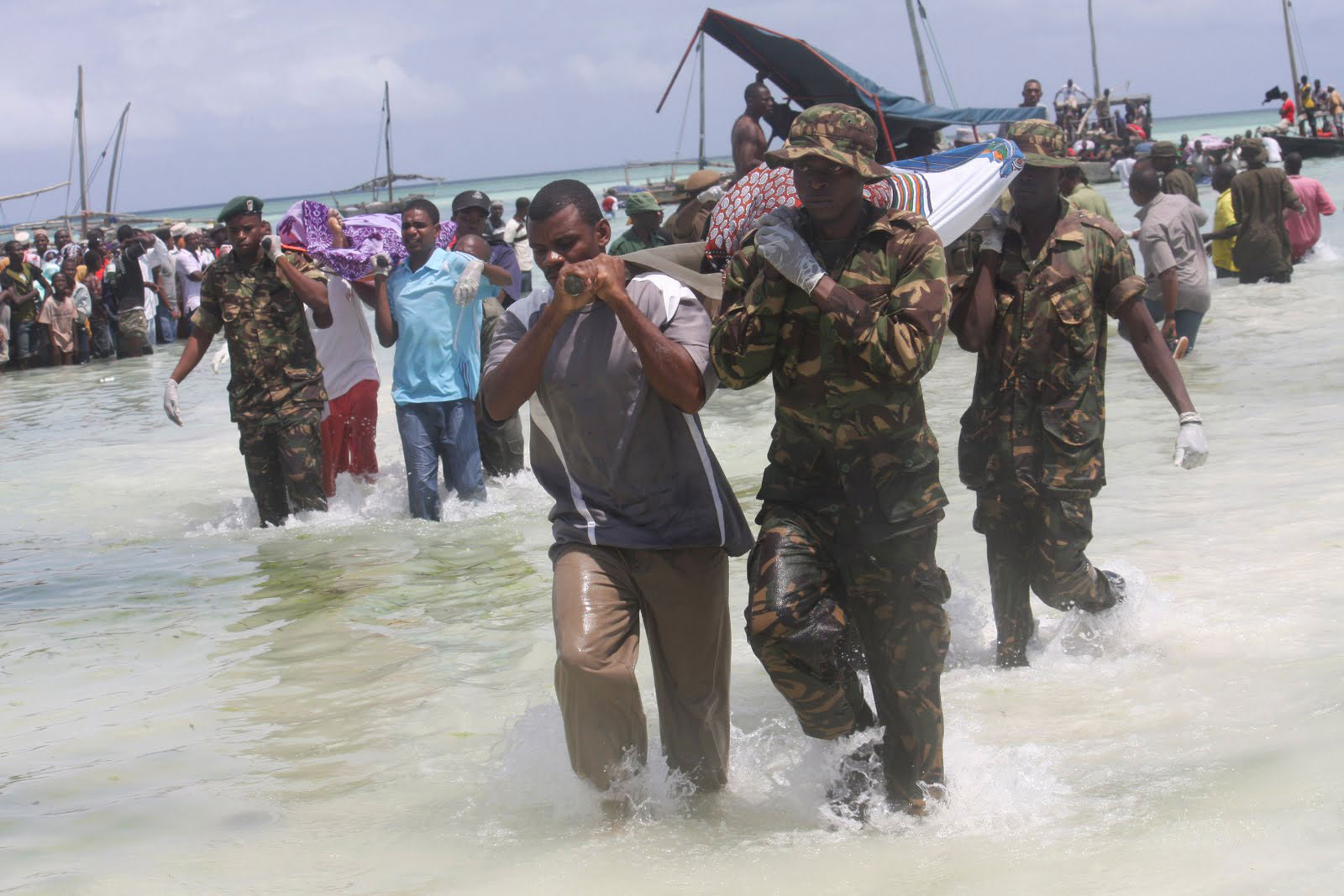
The sad task of bringing bodies ashore from the MV Spice Islander

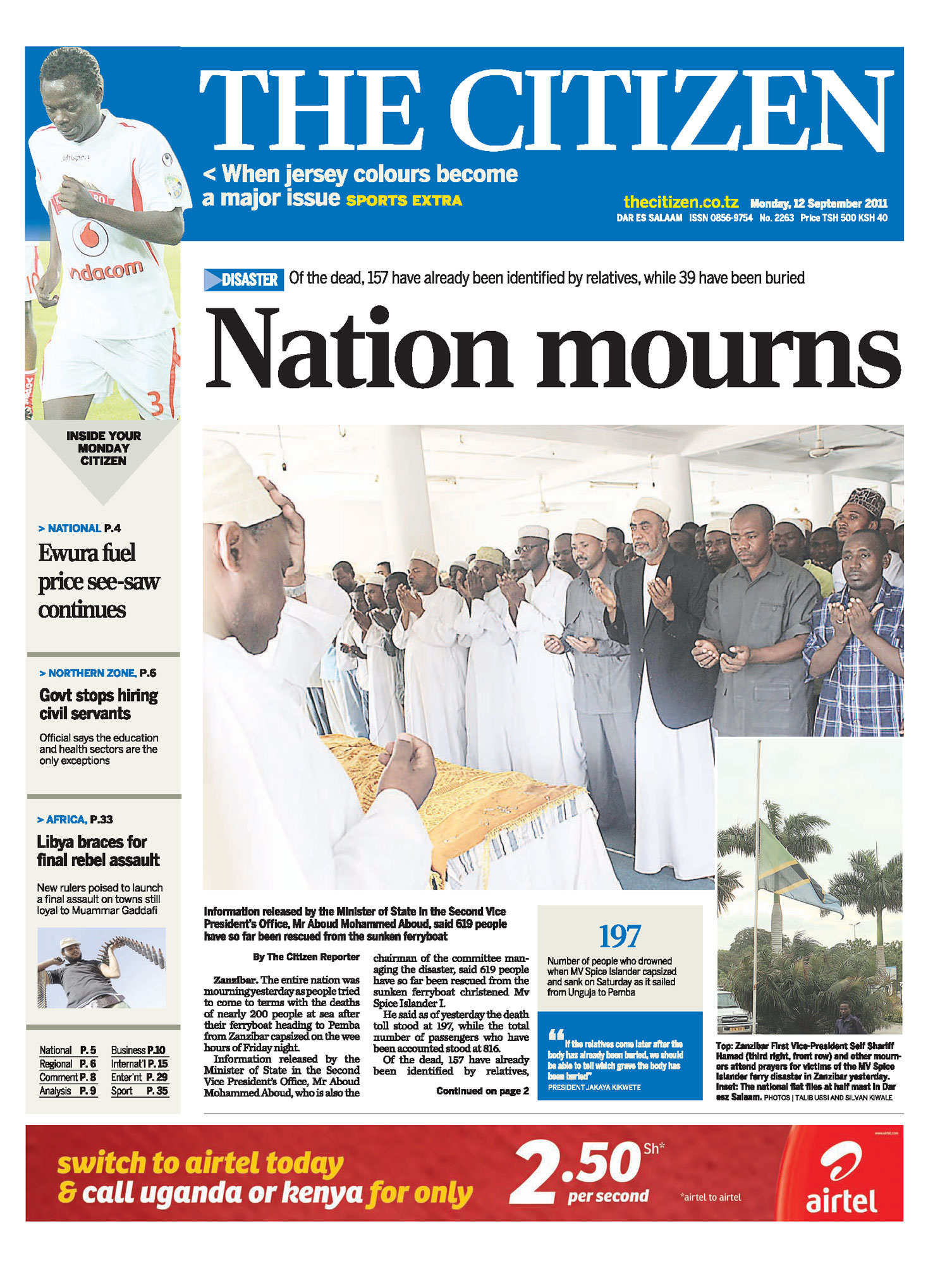
A very large number of people – some estimate that it could be over 2,000 – died on 11 September 2011 after a ferry they boarded from Unguja to Pemba sank several kilometres from its destination. Rescue boats, helicopters and divers reached the scene hours later and some 600 were rescued. Most survivors drifted ashore clinging to foam mattresses.

The ferry, MV Spice Islander, began its journey in Dar es Salaam, where it was loaded with passengers and cargo. When it reached Zanzibar it took on many more passengers for the trip to the smaller island of Pemba. The boat was said to have been grossly overloaded and some passengers complained of loss of balance even when the vessel was still in Zanzibar port. Two prospective brides were among the passengers, accompanied by 36 relatives; only four were rescued. Comparisons were made with the sinking of the MV Bukoba in 1996 (TA 55).

Media Coverage

President Kikwete was forced to suspend a scheduled tour to Canada. Zanzibar President Dr Ali Mohamed Shein announced that there would be three days of mourning when flags would be flown at half mast. First Vice President of Zanzibar Seif Sharif Hamad announced that the government would launch a thorough investigation into the accident and take necessary actions – all media outlets featured this news very fully – Editor

BIG GOLD – THANK YOU AND GOODBYE?

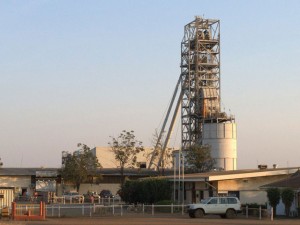
Bulyanhulu mine, located in Kahama District, Mwanza

Gold is the most important driver of investment that Tanzania has ever seen. Foreign direct investment in gold exploration and mining totalled USD 2.5 billion from 1997 to 2007. Between them, African Barrick Gold (ABG), AngloGoldAshanti (AGA), and Resolute Mining Ltd currently produce over a million ounces of gold a year, worth USD 1.8 billion at the current (September 2011) price of USD 1,800 an ounce. Last year, gold accounted for nearly half of all exports. The three companies’ mines (Barrick has four, the other two companies one each) employ about 15,000 Tanzanians, with another 50,000 jobs created through local procurement of goods and services. The mining companies build roads, power supplies and water systems that serve local towns and villages. ABG has invested USD 100 million in electricity alone. The mines build schools and health facilities and pay local authorities to help run them. They are already among the biggest tax payers to the Tanzanian Revenue Authority (TRA) and they should pay more taxes as they finish paying back the loans that financed their mining operations.

With all this apparent good news, why do most Tanzanians consider the presence of foreign mining companies ‘a curse, not a blessing’, to cite a typical recent newspaper editorial? My recent research with the Africa Power and Politics Programme (APPP) suggests the following explanation [1].

First, enforcing mining rights proved to be a protracted and divisive process, irrevocably souring relations between the foreign mining companies (FMC) and local artisanal and small-scale miners. In August 1994 Sutton Resources, a small Canadian company, signed a Minerals Development Agreement (MDA) with the Tanzanian government for Bulyanhulu, located in Kahama District, Mwanza Region. Sutton spent the next two years trying to enforce its mining rights against resistance from local small-scale miners (dubbed ‘illegals’), who refused to move from the site. On 5 August 1996 54 miners were allegedly buried alive following the bulldozing of small mines during the enforcement of an eviction order.

Subsequent investigations found no evidence to support the claim of over 50 dead through ‘extra-judicial killings’ (Amnesty International’s description), but the damage was done. Sutton’s uncompromising approach in clearing the Bulyanhulu ‘illegals’ without compensation prepared the way for increasingly hostile relations between the FMCs and their Tanzanian hosts. In 1999 Barrick Gold, the largest gold mining company in the world, bought Sutton, and further acquisitions made it by far the largest player in Tanzania, producing about three-quarters of Tanzanian gold [2].

Second, the public outrage triggered by Sutton’s unsubtle approach to acquiring mining rights galvanised both local and international civil society opposition to the FMCs’ presence. Local NGO and media coverage of instances of alleged water pollution, mine invasions and shootings and the destruction of property reinforced latent public antipathy to the FMCs, who were also accused of benefiting from overgenerous tax breaks, fuelling suspicions that the secretly signed MDAs involved corruption among senior government officials.

On coming to power in December 2005, President Jakaya Kikwete promised that mining contracts and laws regulating mining activities would be reviewed. Opposition parties were quick to make political capital out of the FMCs’ poor public image and suspicion of corruptly negotiated deals. When in August 2007 Chadema opposition party MP Zitto Kabwe challenged the government’s non-transparent approach to its dealings with the mining companies, he was banned from parliament and instantly became a popular hero. Realising its mistake, the government quickly launched a Mining Sector Review Committee, headed by former Attorney General Mark Bomani. The Committee’s recommendations to raise both tax and royalties were incorporated in a new Mining Act, passed by Parliament in April 2010.

To the FMCs, the new mining law simply worsened an already deteriorating investment and business environment. They claimed that the TRA did not respect the tax conditions contained in the MDAs and that TRA officials practiced extortion, leading to costly litigation and arbitration. Another major issue for the FMCs was the empowerment of the Minister of Energy and Minerals to enter into negotiations to obtain an equity stake in any new mining venture at any time. ABG considered that the 2010 Mining Act, by granting ‘ministerial discretionary powers to make or interfere with commercial decisions’, was the source of ‘insecurity and unpredictability‘, had a negative impact on ‘governance and transparency’ and gave ‘room for abuse of power.’

While gold exploration slumped after the 2008 financial crisis, fears of further financial turmoil pushed up the value of mining shares. Big Gold in Tanzania has benefited tremendously from soaring gold prices. For example, ABG posted net profits of USD 223 million in 2010, an increase of 237% over 2009. [3] Resolute’s Golden Pride mine was scheduled to close, but is still producing after posting record profits in 2009. [4]

Between the big three and the thousands of small-scale mines employing hundreds of thousands of miners there is a ‘missing middle’ of small-to- medium mines. The explanation for this anomaly emerging from my research is that only large foreign companies can afford the high costs of Tanzanian gold mining. Lack of infrastructure means that FMCs have to invest in roads, water and power. Skilled labour is in short supply. The costs of maintaining mine security are high. Theft and destruction of property are quite common. Tax assessments are unpredictable and extortion practiced. [5] ‘Negotiations’ are time-consuming and costly. Expatriate staff frequently have immigration problems. Last, the process of allocating exploration and mining rights is slow, corrupt and inefficient. It can take up to two years to obtain a prospecting licence.

The FMCs are waiting to see how the 2010 Mining Act will be enforced. The ruling party CCM and Chadema, the main opposition party, agree that the government should take a greater cut from FMC profits, and sky-high gold prices are likely to renew pressures to introduce a windfall tax on gold sales. In 2010, ABG made pre-tax profits of USD 309 million – more than double the previous year–on gold production of 701,000 oz. Yet the USD 86.5 million paid to the Treasury in taxes represented only a 28% effective tax rate, compared with 56% in 2009. [6]

The confrontational relations that have developed between the Tanzanian government and FMCs are not conducive to the long-term sustainability of ‘modern’ mining in Tanzania. One mining executive cited by the Fraser Institute (2010) put it thus:

“… Tanzania has changed from a country encouraging foreign mining investment to one which actively discourages new investment, constantly harasses resident foreign miners and keeps changing the laws and regulations or abusing the operation of current laws and regulations to the detriment of the foreign miner and the benefit of the corrupt government.” [7]

As long as gold prices stay robust, ABG will continue to earn fabulous rents from mining Tanzanian gold and exporting its profits. Whether or not this is sustainable or ‘developmental’ is open to debate.

Brian Cooksey

References
[1] Financed by the British and Irish governments, APPP (www.institutions-africa. org) is managed by the Overseas Development Institute (ODI). ‘The investment and business environment for gold exploration and mining in Tanzania’, can be found at: http://www.institutions-africa.org/fileinfo/20110606-appp-background-paper-03-theinvestment- and-business-environment-for-gold-exploration-and-mining-in-tanzaniabrian- cooksey-june-2011 [2] Excluding small-scale gold production, which may be the equivalent of another large mine.
[3] ABG Annual report 2010, www.africanbarrickgold.
[4] www.resolute-ltd.com.au/. Resolute posted a gross margin of USD 71m on gold sales of 148,000 oz.
[5] ABG have outstanding tax claims with TRA of USD 120 million.
[6] ABG Annual report 2010, www.africanbarrickgold. In 2010, ABG paid only USD 0.5million in corporate tax.
[7] Fraser Institute 2010. ‘Survey of Mining Companies 2009/10, 2010 Mid-Year Update’ www.fraserinstitute.org

Dr Brian Cooksey, after teaching sociology at the University of Dar es Salaam, set up his own consultancy and research organisation. He has been actively involved in civil society and journalism and is a member of Transparency International.

EDUCATION – NEW DEVELOPMENTS

Compiled by Anne Samson

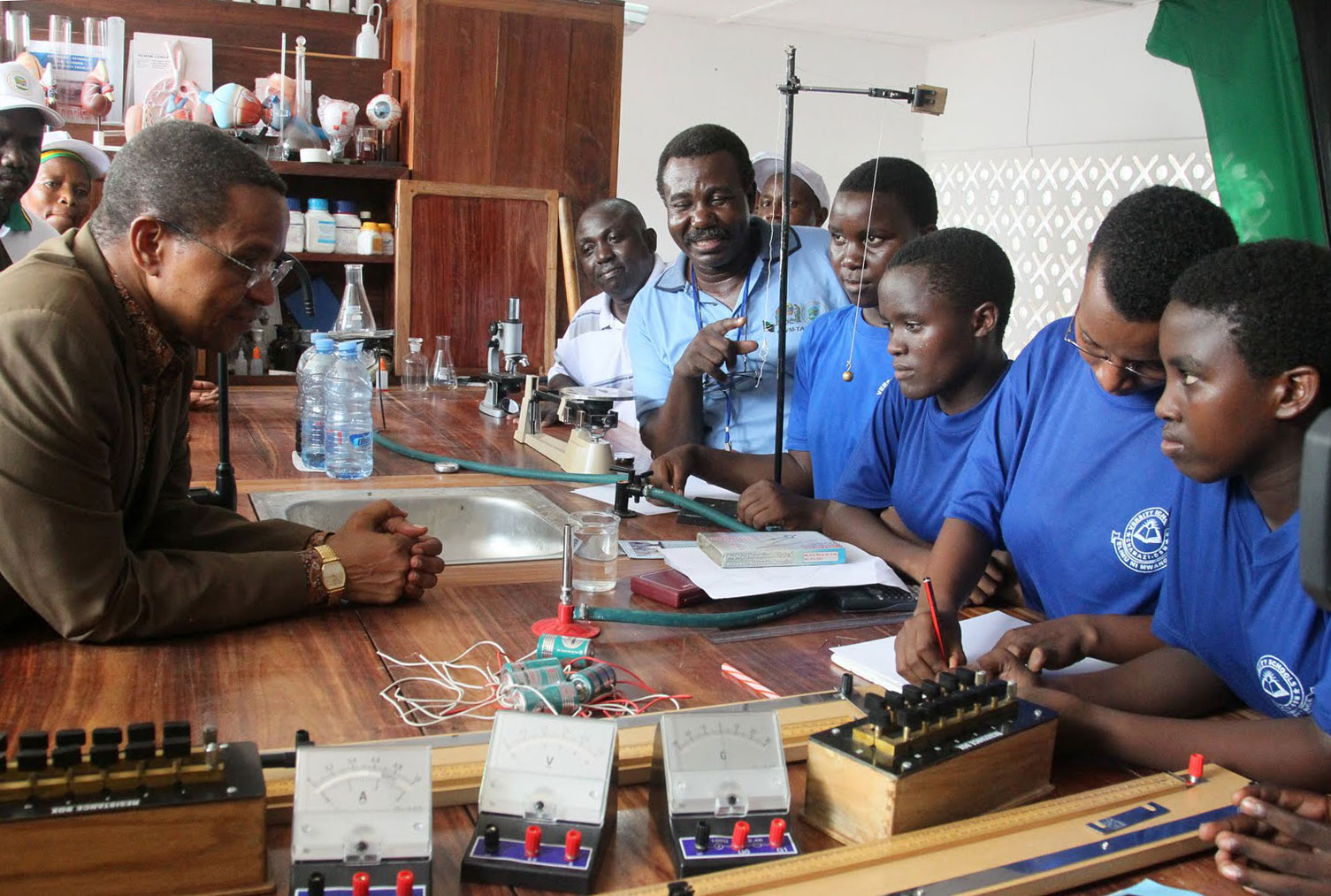
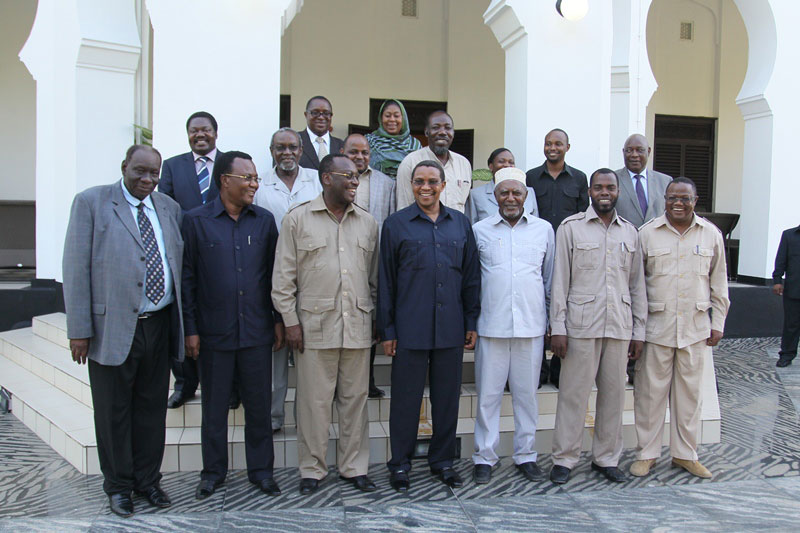
President Kikwete talks to science pupils at Versity Secondary School - Photo State House

In September 2011 the Uwezo report on Education was released. This compares education in Tanzania, Kenya, Uganda and Rwanda. The report compared pupil ability in English, Swahili and Mathematics. Tanzania did not fare too well on pupil ability – most standard 7 pupils operating at standard 2. However, access to education in Tanzania is easier than in the other countries. Many of the education announcements in the subsequent months have been in response to the issues raised in this report.

A new pass mark for Form II National Examinations will be introduced in 2012, although in November 2011 it was not clear whether the mark would be 21, 25 or 30. A new pass mark for Standard IV exams was also being contemplated. These changes are intended to “improve them [exams] and make them more competitive” (Daily News, 5 Sep 2011).

The move to single text books has been started. Government has already selected two textbooks per subject for primary Standards I-V and a single science textbook for secondary education. Minister for Education and Vocational Training Shukuru Kawambwa has said that these books will be used for a trial period of 3-4 years. Selection for other subjects is currently under way. The importance of books was reinforced by Vice President Dr Mohamed Gharib Bilal at the opening of the book festival when he “challenged teachers to build a culture of reading books” and added that “students must read various text and reference books to improve in studies” (Daily News, 23 Nov 2011).

Primary education – big changes proposed
In November, a proposal was put to Parliament to change the structure of primary education. This would involve making one year of preprimary education compulsory and, in effect, removing Standard VII. Ministerial policy analyst Calistus Chonya explained: “This means one year for nursery school, six years for primary education, four years for ‘O’ level secondary education and two years for ‘A’ level secondary education. … A child reaching five years must attend nursery school and start Standard One at the age of six years. Talented, gifted and slow learners will be developed accordingly.” (Daily News, 13 Nov 2011).

Nursery school education would be a full day and free meals would be available. Swahili would be used as the medium of education in nursery schools and Swahili and English in primary and secondary schools. Other proposals included opportunities to enable girls who had missed out on education due to pregnancy to catch up and a review of the curriculum to ensure a smooth flow between primary and secondary school.

It was also hinted that continual assessment during the academic year could influence a student’s final grade. Distance learning would be more formalised and there would be greater alignment and harmonisation of curriculum and cost in higher education institutions . Local authorities will need to source funding to support education more fully, including the setting of school fees.

The proposals were challenged by a number of politicians opposing the reduction of primary education by one year. In addition, groups such as Twaweza, the Economic and Social Research Foundation, Ford Foundation International and the Foundation for Civil Society voiced concerns at the proposed changes, noting that the quality of teaching needs to be addressed to have a positive impact on education (The Guardian & Daily News).

The Ministry of Labour and Employment called on educational institutions to teach students skills and entrepreneurship to help reduce unemployment. The announcement coincided with the launch of the German Foundation for World Populations (DSW)’s three year “Working together for Decent Work” initiative.

Over 88% of teachers who sat exams in 2011, including the Grade A Teacher’s Certificate and Diploma in Secondary Education examinations, passed. However, there is concern that only 42% of students who applied for teacher training places in government and private teacher training colleges were accepted. Government is working to pay teachers’ pay arrears, depending on the level of available funding and verification of individual claims.

Funding for higher education
Provisional registration loans are being withdrawn, while interest of 6% on student loans has been introduced. According to academics, this is having a negative impact on Tanzania’s position as an ‘education hub’. They have called for a review of the funding of higher education (Daily News).

Dr Anne Samson is the education advisor to a small education NGO in Kilimanjaro Region where she has been supporting a whole school development programme in state primary schools for the past six years.

TANZANIA & LIBYA

The Tanzanian government (and many of the Tanzanians who have commented) have made their views on what happened recently in Libya very clear. They were opposed to the NATO intervention (which was said to be designed to prevent the rebels in Benghazi from probable killing by Gaddafi forces); they objected to the involvement of Britain and France, especially as they considered that these countries were exceeding the UN and Arab League mandates for action. They then (in common with most of Africa) refused to recognise the rebels as a legitimate transitional government of Libya and expressed horror at the brutal way Colonel Gaddafi had been killed in the final days of the insurrection.

Foreign Affairs and International Cooperation Minister Bernard Membe said that that the Colonel did not have to die, as his pursuers had ‘seized him alive.’

According to the Minister, those who boast of being pioneers of human rights and justice should have arrested him and allowed him to be tried in court instead of killing him point blank. “The killing of the Libyan leader might trigger an endless war since there are many people in that country who have lost beloved ones and could be keen on revenge…. experience shows that an undemocratic regime leads to insecurity.”

Some people however felt that Gaddafi’s demise should act as a lesson to other leaders across the world and that the desire of the majority was more powerful than any individual. Others said: “Gaddafi was a brutal fascist dictator who mixed elements of Islamic religious fanaticism with Arabic nationalism and who put up a pretence of being a Pan Africanist.”

Others accused the African Union of not acting while a member state was being attacked.

Tanzania decided not to recognize the new Libyan government because it believed that international laws were violated in the overthrowing of Colonel Gaddafi. Tanzania did not allow the Libyan embassy staff in Dar to fly the new Libyan flag. The influential African magazine ‘New African’ wrote of what it described as ‘the new British/French colony’ that had been established in North Africa.

BUSINESS & THE ECONOMY

Compiled by Valerie Leach

The main preoccupation of consumers in Tanzania has been the continued rise in the cost of living, caused by higher food and energy prices and exacerbated by the falling value of the Tanzanian shilling.

As illustrated in the graph in TA Issue 100, the Consumer Price Index has risen significantly over the last year. Overall, the consumer price index in October was 17.9% higher than it had been a year earlier. Food prices have continued their sharp rise. The National Bureau of Statistics reported that the prices of food and non-alcoholic beverages rose by 22.8% for the year ending October 2011. Fuel prices have also risen sharply – by 37.4% in the same period. The increasing prices of food and energy contrast with relatively stable prices of other items in the consumer price index (www.nbs.go.tz).

The exchange rate has been volatile. In mid-November 2011 the Tanzanian Shilling was around TShs 1,650 to the US $ and TShs 2,600 to the UK £ (Bank of Tanzania). Earlier in the month, it had depreciated to TShs 1,840 a dollar. The BoT Governor, Prof Benno Ndulu, announced measures to curb inflation and shilling depreciation that include tightening monetary policy, stemming volatility in the foreign exchange markets and curbing currency speculation. Some economists have faulted this stance, saying that these are simply short term measures and that the factors behind galloping inflation and shilling depreciation are more structural than monetary (Daily News).

Monetary and fiscal policies
The International Monetary Fund (IMF) said sub-Saharan countries’ monetary policies need to firmly focus on bringing non-food inflation back into single digits and sustaining it there to prevent inflationary expectations from becoming entrenched. “A tighter fiscal stance would also facilitate monetary authorities’ task of getting inflation under control,” IMF said in its June Regional Outlook released in October (Daily News).

The need for a tighter fiscal stance in Tanzania was highlighted by Peter Allum, division chief at the IMF African Department at the conclusion of the IMF’s latest Policy Support Instrument (PSI) review early in November. He warned that Tanzania’s overall recurrent spending had out-paced revenues and grant financing, contributing to growing fiscal deficits and a rising public debt stock. “It was agreed that the budget deficit in 2011/12 should be allowed to exceed the earlier programmed level of 6% of GDP to help finance the emergency power plan and accommodate expanded social spending,” said Allum. Savings in non-priority programmes were expected to reduce the budget deficit to around 6.5% of GDP by the end of June next year, and help tackle inflation, he said (Reuters and The Guardian).

Government Liquidity Problems?
Signs were reported that State coffers are running dry. Reliable sources have confided to The Citizen that in October a number of government workers in some district councils failed to get their pay in time, while some received partial payment. But Minister for Finance and Economic Affairs Mustafa Mkulo quickly dismissed the concern and maintained that the government was in a sound financial position and capable of meeting its financial obligations without any unnecessary delays. A source that asked not to be named at the Finance ministry said Geita was one of many councils whose workers either received their pay late or received less than what was due to them. The source also said the government had also failed to release funds for other charges (OC) for the second quarter of this financial year. According to the Finance Act, OCs for the second quarter are supposed to be released on October 1 (The Citizen).

Tanzania’s growth may top 6% this year
Tanzania’s growth this year may exceed the 6% forecast earlier due to the strong performance of its telecommunications, construction and financial services sectors, the IMF has said. The IMF cut this year’s growth forecast for the country to 6% from 7.2% in March, saying frequent power outages would hurt output. while food and fuel prices could push inflation higher. Tanzania’s economy grew by 6.3% in the first half of 2011 (Reuters and the Guardian).

Waiver of embargo on export of food crops
In mid-November, amid signs that there was no critical national shortage of food, it was announced that the government will soon waive the business embargo previously imposed on export of foodstuffs. Deputy Minister for the East African Community Dr Abdallah Sadalah revealed that the government would soon allow food transportation ahead of the embargo expiry towards the end of this year. Dr Sadalah said after signs of relief against the hunger threat the government was now looking at some possibilities to allow cross border food trade, especially to countries like Sudan and Somalia which were suffering from a severe food crisis. This follows President Kikwete’s mid-October directive that government institutions allow local traders to export surplus food to neighbouring countries, without causing any shortage. He also sanctioned selling of food to the United Nations World Food Programme (WFP), saying however, the country should remain with enough stocks. The President also urged government institutions to ensure surplus food in some regions is transported to urban areas to contain soaring prices and enable the poor to get food at affordable prices (Daily News).

But transport problems continue…

Youths in Dar es Salaam ferry passengers across Kigogo Road for TShs 500 per person. The area has become a nightmare for motorists and pedestrians, forcing commuter buses to suspend services along the route. (Photo by Fadhili Akida)

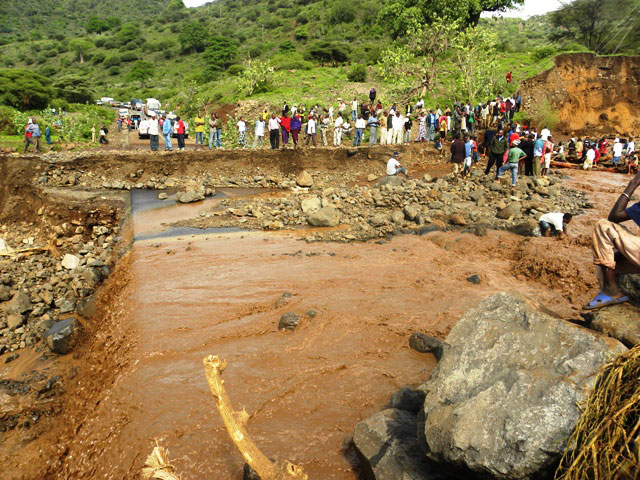
Section of the Arusha-Karatu road washed away by flash floods and landslides near Mto wa Mbu in November, causing communication routes to the Ngorongoro and Serengeti areas to be cut. (Picture Prisca Libaga - Maelezo)

Investment and technology
More promising news on economic development came from Kigoma, where Tanzania is about to have its own first ever copper smelter following an agreement between the Kigoma Regional Administration and an international firm, City Energy & Infrastructure, which has signed a Memorandum of Understanding committing itself to undertake a number of projects in the Region worth $500 million (about TShs 850 billion). Technicians are assembling a new power plant in Kigoma which is expected to make power shortage in the region a thing of the past (The Citizen).

Jatropha was in the news again. The Jatropha plant, which was previously avoided due to fear that it threatened food production, has reportedly gained popularity among smallholder farmers due to good prices offered in the market. Programme manager with Faida Market Link organisation, Thomas Silayo, said that over 19,000 smallholder farmers in central and northern Tanzania have started benefiting from the plant (The Guardian).

Telecentres – The government plans to build about 3,000 telecentres in underserved areas in a bid to narrow down the digital gap existing between urban and rural areas. At the telecentres the community will be able to access information through television and ICT tools such as the internet, fax and telephones.

Land – During the royal visit to Tanzania, pastoralists told Prince Charles and his wife Camilla that the current land tenure system was marginalising them. They also complained that foreigners were acquiring huge tracts of land in many areas for cultivating biofuel plants and for carving out conservation programmes at the expense of the indigenous people who were left landless (The Citizen).

FLOODS IN DAR ES SALAAM

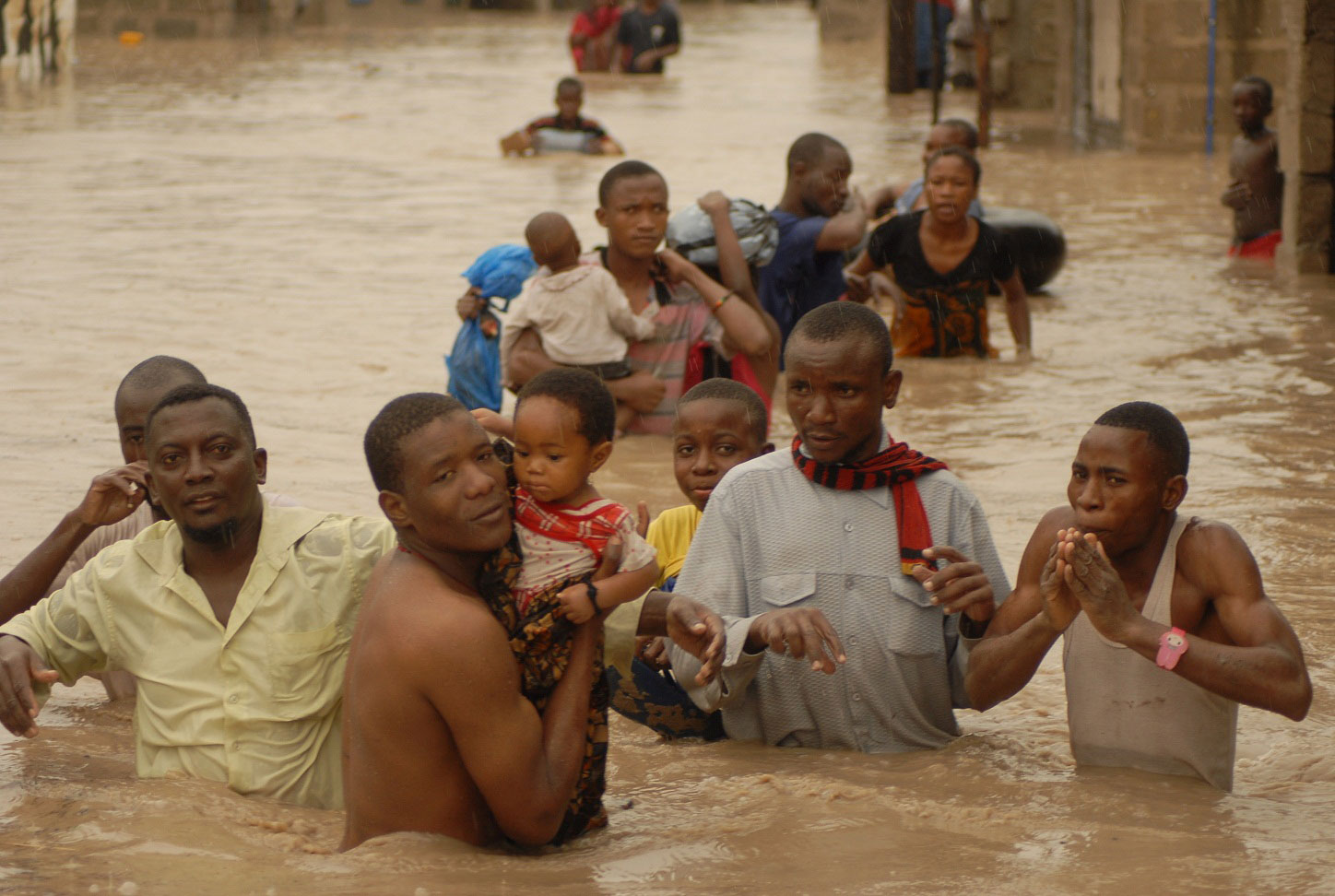
Residents of Spenco Vingunguti area in Dar es Salaam escape the floods to reach higher ground (Photo Richard Mwaikenda/Michuzi Blog)

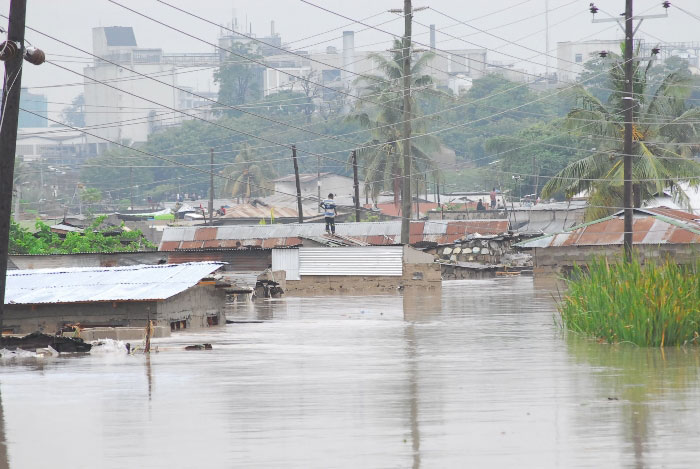
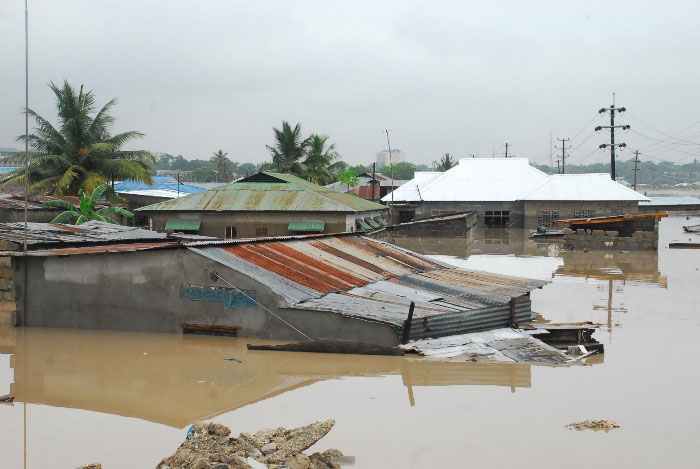
As this issue goes to the press in late December there are reports of severe flooding in Dar es Salaam following three days of torrential rain with 156mm of rain recorded on just one day, the highest since 1956. Over 30 people are reported to have died, with 5,000 inhabitants of low-lying areas such as Jangwani forced from their homes. Water pipes and other infrastructure have also been damaged. President Kikwete has promised TShs 3 billion to help resettle those affected to Madale, Kinondoni area (Gaurdian).

Flooding in Jangwani, Dar es Salaam

Dar es Salaam floods