SPORT

by Philip Richards

Athletics: Marathon win for Alphonse Simbu

Simbu celebtrates his win


Tanzanian sport recently made history at the World Athletics Championships held in Tokyo between 13-21 September 2025. Congratulations to Alphonce Simbu, who won the Men’s marathon event in sensational style by dipping ahead of Petros, his German competitor, at the finish line by a mere three-hundredths of a second.

Simbu has been a prominent athlete at marathon level for some time, having won a bronze medal at the 2017 World Athletics Championships, followed up by a silver medal at the 2022 Commonwealth Games, but has now taken his career to new heights. He is quoted as saying, “Today means celebrations in Tanzania. We have written new history as a country. It was my dream. I am at peace. It is about discipline, training and never giving up. After 2017 I have been trying to win another medal but failed at it. Last year Paris [Olympics] was a challenge and this year I told myself: I will try my best. I did different types of training under different weather conditions.”

Born in Singida, an area famous for Rift Valley lakes, flamingos and sunflower oil, Simbu will surely be awarded a heroic welcome when he returns to the country. This journal has often expressed frustration, but also hope, that another Tanzania athlete would emulate the success of Filbert Bayi in the 1970s. It has been a long time in coming, but we hope that the country builds on Simbu’s success and this is the start of a new golden era of Tanzanian athletics and sport in general.

Football
Less positive news from the football pitch where Taifa Stars, the men’s national team, exited the 2026 World Cup qualifiers with a surprise 0-1 home defeat to Niger. Niger’s forward Daniel Sosah silenced the home crowd at the New Amaan Complex, Zanzibar, with a strike in the 58th minute. The team have now slipped to 107th in the FIFA world rankings.

And finally, for something different…the Goat Races

Dar es Salaam goat race

September sees the annual running of the goats in Dar es Salaam! The Rotary Goat Races is a charity event conducted by the Rotary Club of Dar Es Salaam Oyster Bay. The charity’s focus includes literacy and education, water and sanitation and many others.

The beginning of goat racing in Tanzania started in 2001 following a similar event held in Uganda. In 2017, the original Charity Goat Races came to an end. The committee of the goat races decided to take a break despite the achievements and the decision left all the followers of goat racing in sorrow and wondering why it ended. However, Rotary Club of Dar es Salaam revived it in 2018 and also included competitions for the spectators such as best dressed couple. From then on, it has been a mainstay in the Dar calendar of sporting and social events. The 2025 event had 7 sponsored races in its schedule.

REVIEWS

by Martin Walsh

SALAMA BINTI RUBEYA: MEMORIES FROM THE SWAHILI LITTORAL. Ida Hadjivayanis and Salha Hamdani. Mbiu Press, Dar es Salaam, 2025. ISBN 9789912752238 (paperback). TSh 15,000. Also available to rent as an e-book: https://lantern.co.tz/books/salama-binti-rubeya-memories-from-the-swahili-littoral-9789912752238

Marriage. A word that once meant nothing but love to me, noble, selfless, pure. As I grew older, I began to see the cracks in that simplicity. Marriage, I’ve come to realise, is layered, complicated, and never just about romance.

Reading Salama Binti Rubeya: Memories from the Swahili Littoral by Dr. Ida Hadjivayanis and Bi. Salha Hamdani deepened that understanding. In its pages, marriage becomes more than love. It is a symbol of freedom, independence, and a transition from girlhood into womanhood.

We follow Salama binti Rubeya’s life in the 1910s, as remembered by her daughter, Salha Hamdani, and her granddaughter, Dr. Ida Hadjivayanis. These memories, some drawn directly from recorded interviews, others recalled through family stories, create an intimate portrait of a resilient woman whose life carried the weight of history.

“Salama’s narrative lets us into a world that once was and allows us to see a retelling of a certain event in history through the eyes of a woman.”

East African history has often been recorded by academics, with little space for the voices of ordinary citizens. This book shows that powerful narratives can also emerge from women like Salama, whom Dr. Ida refers to as “an unassuming woman” in the coastal story.

The book bridges formal history with lived memory, demonstrating how family stories intersect with those of scholars. It does not reject the work of historians but complements it by placing Salama’s memories alongside academic research. In this way, it demonstrates how personal experience can add depth to written history, providing readers with a fuller understanding of the past.

Salama’s childhood highlights how gender roles defined daily life. As a girl in Kilwa, she was free to move within the world of women, listening to her grandfather’s conversations with guests until age forced her behind a curtain. It was from that hidden corner that she first saw Mohammed bin Abdulrahman Hamdani, the man who would become her husband and the father of her children.

“She was free to roam the world of women, indoors, but it is through a curtain that she gets glimpses of the world of men. To her, it feels almost revolutionary because she did get to hear more than what most women around her ever did.”

Within this world, women were barred from school and excluded from social life unless they were wives or accompanied by men. Marriage and divorce became some of the few routes to freedom and self-determination. It was not unusual for women to marry multiple times without shame. Salama’s mother, Binti Mbwana, remarried after her husband’s death. As a widow, she lacked the liberty of a married woman or even a divorcee.

“Salama believes that she remarried because she missed her social life and the liberty that came with marriage rather than falling in love with the man.”

Stories like Salama Binti Rubeya’s show how marriage has evolved. Today, it carries a different meaning, raising questions about whether those changes have improved or worsened it. This makes the book a compelling read for anyone interested in social issues.

Race, identity, class, and ethnicity also run through these pages. When Salama moved to Zanzibar, a cosmopolitan port shaped by the Indian Ocean trade, she encountered rigid hierarchies. Arabs from Oman controlled most of the land, and Salama observed how wealth and privilege were unequally distributed.

Another theme is the importance of female friendship and sisterhood. Such relationships offer women a safe space to heal, to share their struggles without fear of judgment. From Salama’s mother to Salama herself, we see how friendship provided a sense of belonging and a vital outlet. For Salama, sisterhood took shape in her neighbourhood, built on common interests such as food, fashion, and art.

“In fact, women used to walk together and return home together as they discussed the film they had just watched. For a week or so following the screening, women would discuss the film, link it to reality, and draw new conclusions.”

Salama Binti Rubeya: Memories from the Swahili Littoral sheds light on the struggle for independence, the Zanzibar Revolution, and its aftermath for Salama’s family. Her son, Abdulrahman Guy, the primary breadwinner, bore the brunt of this turbulent period. His fate was another testament to Salama’s resilience and endurance.

A reminder that history is not just a collection of dates and events, but the choices and struggles of people like Salama. It is for anyone who wants to understand the Swahili littoral through the lived experience of a woman who was curious, multicultural, and unapologetically herself. It takes us through Zanzibar and Kilwa before colonialism, into the revolution, and its aftermath. Above all, it reminds us why telling our stories matters.

(This review was first published in The Citizen newspaper: https://www.thecitizen.co.tz/tanzania/magazines/success/-salama-binti-rubeya-memories-from-the-swahili-littoral-by-ida-hadjivayanis-salha-hamdani-5193638.)
Jane Shussa
Jane Shussa is a Tanzanian writer, digital communications specialist, and weekly book reviewer for The Citizen newspaper. A storyteller committed to sharing and amplifying East African stories and perspectives, she invites readers to discover new books. Outside the pages, she enjoys hiking, savouring coffee, caring for her plants, and watching the sky.

MWALIMU JULIUS KAMBARAGE NYERERE: PHOTOGRAPHIC JOURNEY. Mama Maria Nyerere (introduction), Palamagamba Kabudi, Kumail Jafferji, Mahmoud Thabit Kombo, Ali Sultan (text), Adarsh Nayar (photographs), Javed Jafferji (photo editor). Print Plus Media Ltd, Zanzibar, Zanzibar, 2024. 350 pp. ISBN 9789912989917 (hardback) US$40.00. Available from TPH Bookshops in Dar es Salaam and Dodoma, and Zuri Rituals Boutique in Zanzibar.

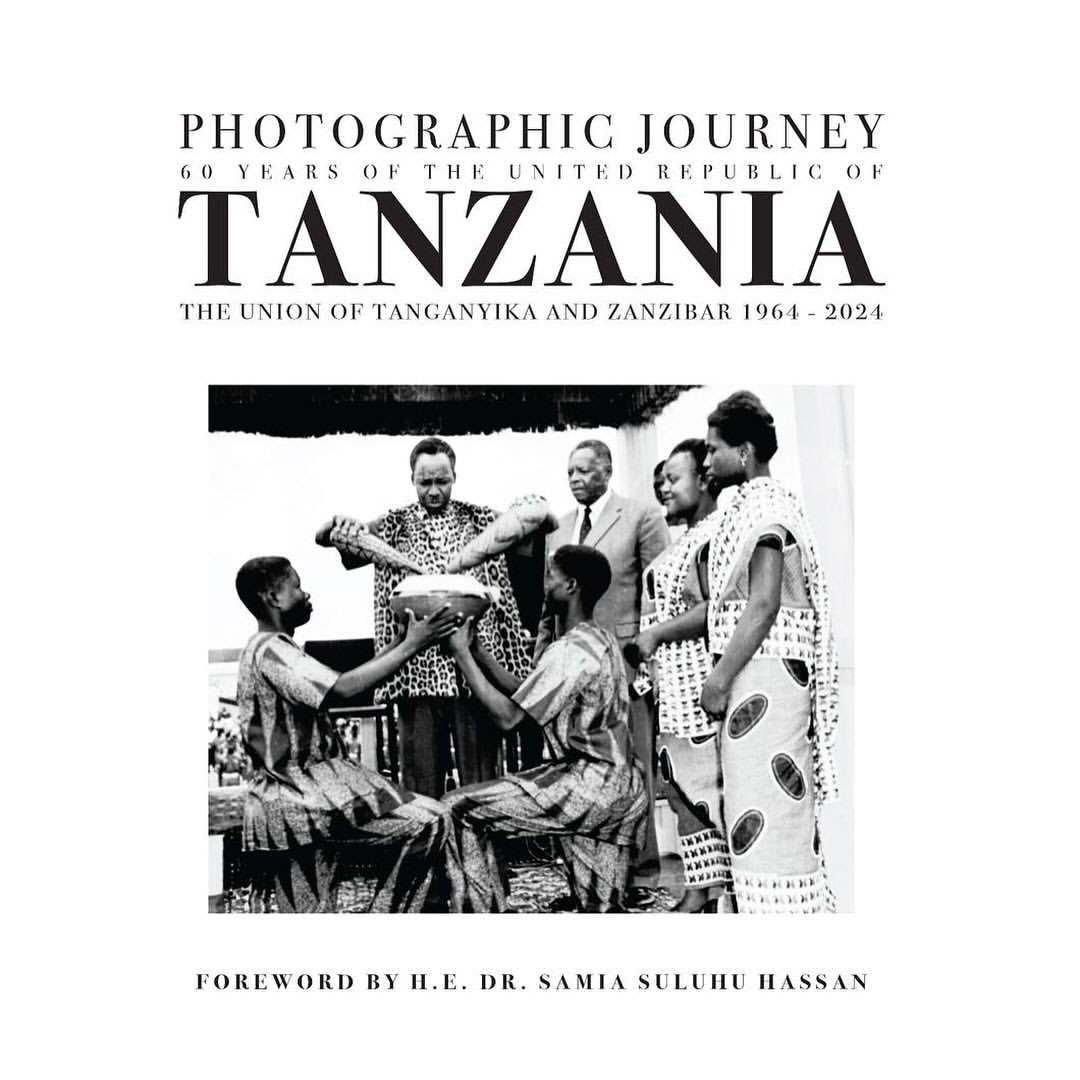
PHOTOGRAPHIC JOURNEY: 60 YEARS OF THE UNITED REPUBLIC OF TANZANIA, THE UNION OF TANGANYIKA AND ZANZIBAR 1964-2024. Mahmoud Thabit Kombo Jecha and Kumail Jafferji (eds.). Print Plus Media Ltd, Zanzibar, 2024. 232 pp. ISBN 9789912416321 (hardback) US$40.00. Available from TPH Bookshops in Dar es Salaam and Dodoma, and Zuri Rituals Boutique in Zanzibar.

These two remarkable books constitute a photographic reflection on first the life of Julius Nyerere and second the history of the Union. Whilst the numerous photographs spread between the two books are an excellent historical archive the text in both cases constitutes an authoritative exposition of both Tanzania’s modern history and also of many aspects of Nyerere’s life from student days to his death in 1999. Both books include a foreword by President Dr Samia Suluhu Hassan which are an eloquent statement of how much she and many Tanzanians owe to his example and inspiration.

The book devoted to Nyerere embraces a host of photographs which capture the long arc of his life, whilst containing some surprising nuggets. These range from the fact that he wrote and published a book whilst in his second year at Makerere entitled Uhuru wa Wanawake, translated into English as Women’s Freedom: Women are Eagles Not Chickens. The proceeds from the book were used to establish a scholarship fund for female students at Makerere (which is still active). Secondly, the hard-won victory in the war with Uganda in 1979 was assisted by the supply by Algeria of Russian missiles.

The photographic highlights of the book include:
-A handshake with Mao Zedong in 1965, a subsequent address to a rally in Beijing, a walk hand-in-hand with Zhou Enlai, and a tea party with Mao, Zhou Enlai and Liu Shaoqi;
– Formal and informal meetings with all the heads of the ‘Frontline States’, each of which owed a debt to Tanzania for her support before they achieved independence;
-Meetings surrounding the making of the Union in 1964, notably with both Abeid Karume (who became his Vice President) and Sheikh Thabit Kombo (who is described as a key link for Nyerere into Zanzibar’s Revolutionary Council);
– Joan Wicken, Nyerere’s personal secretary who shared his political ideals and drafted some of his key speeches;
-An address to the parliament in Cape Town, the rewarding consequence of more than 30 years of support for the ANC and its military wing based in Tanzania;
-A visit with Fidel Castro to a training farm at Ruvu in 1977.

The text of the book is greatly strengthened by a description of 40 “key relationships” which ranges from his close associates in government (including the first women cabinet ministers), including his long-standing VP Rashidi Kawawa and highly-regarded Foreign Minister Salim Ahmed Salim, and extends to twenty heads of state, with a clear discussion of their relationships with Nyerere.

Whilst there are now many biographies or semi-biographies of Nyerere, this amalgam of text and the photographic record are a unique tribute to the life of this extraordinary man and leading statesman.

It is balanced by a photographic history of the Union, which is an update of an earlier book that covered 50 years rather than 60, first published in 2014. The new edition points out that nearly 70% of today’s Tanzanians were born after the Union of 1964, making records of this kind particularly important. Its photos range from a celebration by ivory traders of a large set of elephant tusks to the railway train to Bububu opened in 1905. It neatly captures the fragility of the newly-elected Sultan’s government of December 1963 with a picture of Karume being presented to Sultan Jamshid. It does not flinch from a fairly unvarnished account of the subsequent revolution, although it downplays the role of that most elusive figure, John Okello. It captures the ‘western’ response to the revolution by quoting the New York Times declaring after the revolution that “Zanzibar was on the verge becoming the new Cuba”.

The text is far from sycophantic and accurately describes both the enthusiasm surrounding the Arusha Declaration in 1967, and its quasi-reversal in the Zanzibar Declaration of 1991.

The combination of photographic history and the text make this both an excellent record of the Union and a valuable summary of many of the cornerstones of its story. It is unfortunate that for the time being the books are only available in Tanzania, a situation hopefully to be corrected before long.
Laurence Cockcroft
Laurence Cockcroft is a development economist who worked in Tanzania (at ‘Devplan’ and TRDB) from 1970-72 and subsequently helped to establish the Tanzania Gatsby Trust where he was a Trustee from 1985 to 2015. He is also a co-founder of Transparency International and has written and spoken widely on questions surrounding global corruption.

Also noticed:

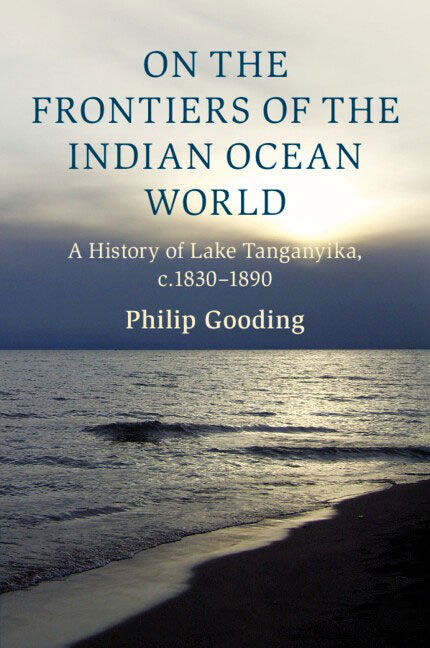
ON THE FRONTIERS OF THE INDIAN OCEAN WORLD: A HISTORY OF LAKE TANGANYIKA, c. 1830-1890. Philip Gooding. Cambridge University Press, Cambridge, 2022. xiii + 251 pp. ISBN 9781009100748 (hardback) £78.00. ISBN 9781009114189 (paperback) £29.99; ISBN 9781009122023 (online) £29.99.

This welcome and well-received book by Philip Gooding at McGill University in Montreal is published by Cambridge University Press in the Cambridge Oceanic Histories series and described by them as follows:

“This is the first interdisciplinary history of Lake Tanganyika and of eastern Africa’s relationship with the wider Indian Ocean World during the nineteenth century. Philip Gooding deploys diverse source materials, including oral, climatological, anthropological, and archaeological sources, to ground interpretations of the better-known, European-authored archive in local epistemologies and understandings of the past. Gooding shows that Lake Tanganyika’s shape, location, and distinctive lacustrine environment contributed to phenomena traditionally associated with the history of the wider Indian Ocean World being negotiated, contested, and re-imagined in particularly robust ways. He adds novel contributions to African and Indian Ocean histories of urbanism, the environment, spirituality, kinship, commerce, consumption, material culture, bondage, slavery, Islam, and capitalism. African peoples and environments are positioned as central to the histories of global economies, religions, and cultures.”

There’s a lot for other researchers to build on here, as well as gaps to fill, for example in considering the impacts of the above on language use around the lake and beyond, and by using linguistic evidence itself as a historical source. While we can’t expect all historians to be linguists, an understanding of the basics does help, as Gooding illustrates by his eccentric decision to anglicise Swahili and other vernacular terms by chopping off their noun class prefixes. Unfortunately, he does this inconsistently and sometimes wrongly. The result is a muddle of conventional usage and unfamiliar neologisms that make little sense without the glosses supplied. It’s embarrassing that the examiners and other readers of the author’s work as it evolved from doctoral dissertation (SOAS, 2017) into book did not pick this up, and it detracts from the author’s otherwise fine scholarship.
Martin Walsh
Martin Walsh is the Book Reviews Editor of Tanzanian Affairs.

KENYA’S SWAHILI COAST: FROM THE ROMAN EMPIRE TO 1888.
Judy Aldrick. Old Africa Books, Naivasha, Kenya, 2024. 256 pp. ISBN 9798320843643 (paperback) £13.99.
Although its primary focus is on Kenya, there’s much in this book that’s relevant to the history of the East African coast as a whole. It’s been written for a general audience by Judy Aldrick, whose work will be familiar to many with an interest in the region’s past (see https://www.historyofeastafrica.com/, where her regular newsletter on Kenyan coastal history can also be found). Here’s her own summary of what’s in store for readers of her latest book:

“The story of the Swahili Coast is full of drama and adventure, unexpected twists and turns and visitors who came and went and left their mark. As far back as Roman Times the East African Coast was part of a well organised trade network. The Islamic era brought in wealth and settlement, then came the Portuguese and a period of disruption. Swahili civilisation hung in the balance, until Arabs from Oman moved in revitalising the Coast but also bringing in petty squabbles as ruling families and towns fought for power. Zanzibar emerged victorious and wealth started to flow back into the region, until Europeans began to interfere.

There are facts and dates but also tales of myth and magic, of unsolved mysteries, tragic heroes and cruel villains. In a brutal age, life was lived in the raw. Treachery and betrayal and reckless action caused dangerous moments of peril, while expediency and pragmatic diplomacy often saved the day. Throughout the narrative the resilience and survival of the Swahili people shine through.

The cut-off point is set at 1888 when modern history of Kenya begins, and there is no longer separation between Coast and hinterland.”
Martin Walsh

SWAHILI FOR DUMMIES. Seline Okeno and Asmaha Heddi. John Wiley & Sons, Inc., Hoboken, New Jersey, 2024. xii + 352 pp. ISBN 9781394191567 (paperback) £18.99; ISBN 9781394191574 (e-book) starting at £14.99.

According to the publisher’s blurb, “Swahili For Dummies will teach you the basics of Swahili, so you can start conversing in Africa’s language of commerce. This book introduces you to the foundations of Swahili grammar and enables you to engage in basic conversations. With the simplified Dummies learning process, you’ll quickly get a grasp on the language, without complex terms and confusing explanations. You’ll also move through the book at a comfortable pace, so you’ll be familiar with what you’ve learned before moving on to more complex stuff. Focus on communication and interaction in everyday situations, so you can actually use the language you’re studying – right away.
-Understand the basics of Swahili
-Learn everyday words and phrases
-Gain the confidence to engage in conversations in Swahili
-Communicate while traveling and talk to Swahili-speaking family members

Swahili For Dummies is for readers of all ages who want to learn the basics of Swahili in a no-stress, beginner-friendly way. Swahili teachers will also love sharing this practical approach with their students.”

Moreover, if you reach page 287, you’ll find your vocabulary being enriched by “Ten Words You Should Never Say in Swahili”, including words and phrases that are only rude when used to describe humans rather than animals. You’ll also learn some up-country misspellings. But providing this kind of list isn’t a bad idea, especially for those hapless tourists who are trained to utter insults by beachboys pretending to teach them everyday Swahili greetings. As well as such greenhorns, the book as a whole might also be of value to those needing to brush up on basics like the structure and use of noun class prefixes.
Martin Walsh

OBITUARIES

by Ben Taylor
Former Speaker of the National Assembly of Tanzania, Job Ndugai, has died at the age of 62. He passed away on August 6, 2025, while receiving treatment at a hospital in Dodoma.

Born on January 21, 1963, Job Ndugai served as Member of Parliament for Kongwa and held various senior positions in Parliament, including Deputy Speaker from 2010 to 2015. He was elected Speaker in 2015, a position he held until his resignation in January 2022.
His resignation came amid public consternation following controversial remarks he made about Tanzania’s borrowing and national debt, which drew criticism both within and outside his party. He had warned against mounting debt levels saying it risked the country being “auctioned”. In stepping down, Ndugai said he was acting in the best interest of the country and Parliament. Later, after a stern public rebuke from President Samia Suluhu Hassan, he apologised for his remarks and said he had been wrong.

As Speaker, Ndugai often faced criticism for appearing overly compliant with the government at the expense of parliamentary independence. Some analysts criticised him for presiding over what they considered the weakest parliament between 2015 and 2020, during President John Magufuli’s first administration. He dismissed the criticism, telling a local publication that those faulting him did not understand parliamentary democracy.

In a statement, President Hassan said she “received with sorrow” the news of Ndugai’s death, and has sent condolences to his family and friends.

Dr Jane Goodall


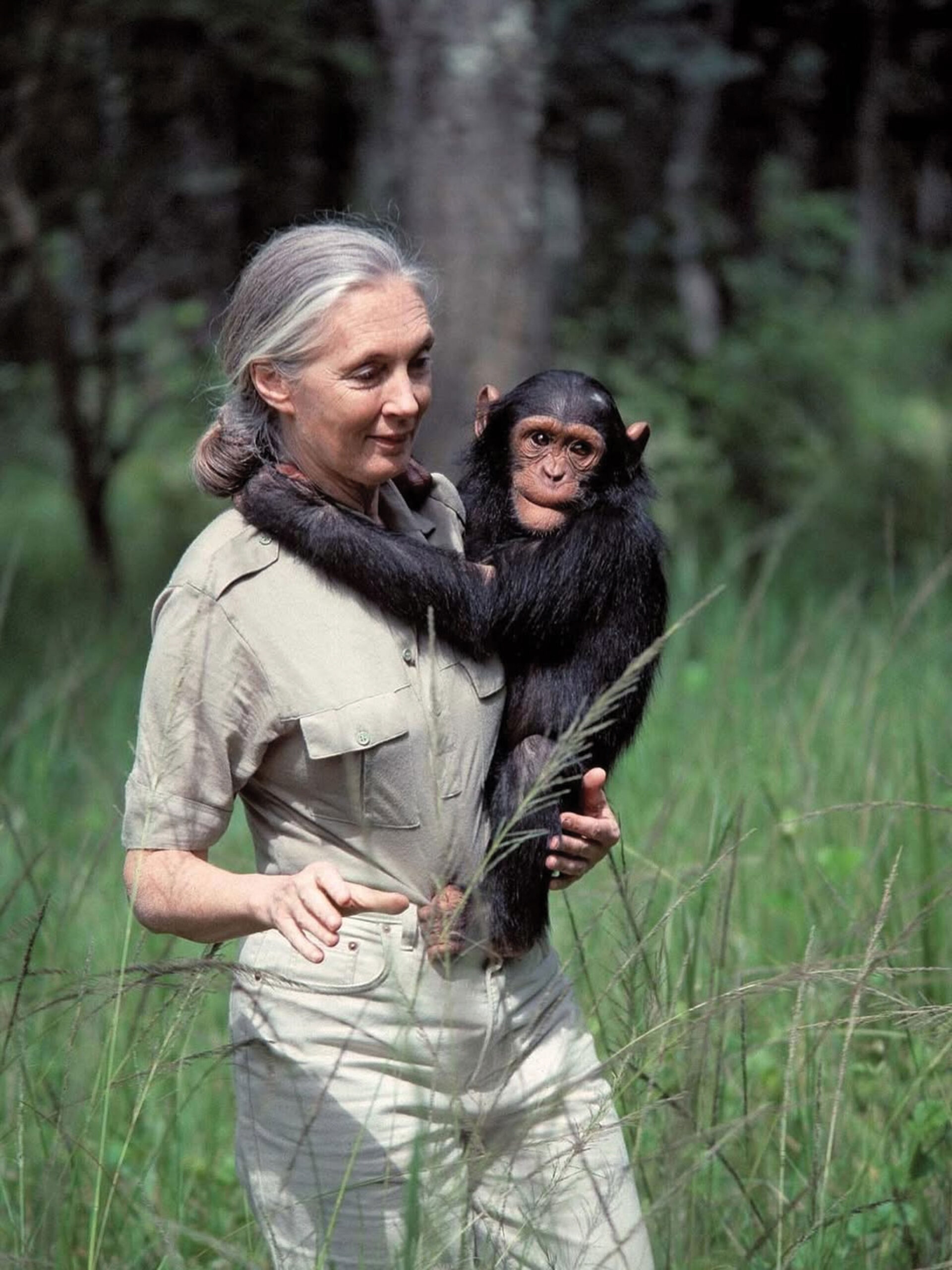
World-renowned primatologist and conservationist, Dr Jane Goodall, died on October 1, 2025 at the age of 91. Best known for her work studying wild chimpanzees, Jane Goodall’s discoveries would not just revolutionise our understanding of animal behaviour but reshape the way we define ourselves as human beings.

Born in London in 1934, Goodall became fascinated by animals as a child after reading Dr Doolittle. She began researching free-living chimpanzees at Gombe in western Tanzania in 1960. It was to be the beginning of a sixty-year study of wild chimpanzees.

She learned to communicate with them – the embracing, playing and patting – even the kisses. She was the first person to record witnessing an animal using a tool; a male chimpanzee digging termites out of a mound with a stick. Until then, it was thought only humans had sufficient intelligence.

When she first went to Africa to study chimpanzees at the age of 26, Jane had no formal scientific training but managed to win the trust of the primates. She won the respect of the scientific establishment, too: in the 1960s she was just the eighth person admitted to Cambridge University as a PhD candidate without an undergraduate degree.

In 1977 she founded the Jane Goodall Institute, which works to protect the species and supports youth projects aimed at benefiting animals and the environment. It now has officers in more than 25 countries around the world. In 1991, the institute launched the Roots and Shoots project to involve young people in conservation – now a network of active young people across nearly 100 countries.

Earlier this year, Goodall received America’s highest civilian honour – the Medal of Freedom – from outgoing President Joe Biden. Previously, in 2004 she received a damehood, the title of Dame Commander of the Order of the British Empire (DBE), as well as Japan’s Kyoto Prize in 1990, a Unesco Gold Medal Award in 2006 and France’s Legion d’Honneur the same year. She was a Messenger of Peace for The United Nations.

She was honoured too by toy companies Barbie and Lego. In 2022, the Barbie Inspiring Women Series created a doll depicting Goodall wearing khaki and binoculars and paired with chimpanzee David Greybeard. Lego’s toy comprises a mini figure showing her among trees, surrounded by chimps. It was also released in 2022, in commemoration of International Women’s Day.

English naturalist and photographer Chris Packham described Goodall “revolutionary” and “remarkable”. “She loved life, she was fascinated by life,” he said, which was an “enormous motivating force” for her work.
Right up until her death, he said, she was still speaking in a “calm, calculated, deliberate way… to make sure that we can do everything we can to protect life on earth”.

António Guterres, Secretary-General of the UN, wrote in a tribute that he was “deeply saddened” by her passing. “She is leaving an extraordinary legacy for humanity and our planet”.

Remembering Dr Jane Goodall: thrilling chimpanzee hoots, deep inspiration and a profound commitment to people and nature
Paul Harrison, Chair, Britain Tanzania Society, 1st October 2025

The news of Dr. Jane Goodall’s passing was a shock, even though it came after a life lived so fully, so actively, and with such dedication to the very end. Having only just seen her briefly last week, greeting her and having a moment to reflect with her, it feels like a final gift from a woman who was always giving. Jane was, quite simply, a unique human being – a legend in the conservation world, a force of nature and a beacon of hope who worked harder than most in her nineties to the very end.

I first had the privilege of meeting Jane in Uganda back in 1994. The setting was a hotel conference room, yet the air was charged with her singular presence. I vividly remember sitting in a packed room, utterly captivated as she spoke. Then, to everyone’s delight, she broke into her now famous, resonant chimpanzee calls. The sounds filled the room, a wild and authentic echo of the forest, instantly transporting us to Gombe. It was electrifying, and a moment when her deep connection to the chimps was made utterly tangible. I met her afterwards. From there I went onto my first conservation role, in the southwest of Uganda, utterly inspired.

Our paths crossed again in 1998 in Dar es Salaam when I was living there. I had the great fortune of spending time with her at her place, a quiet evening that allowed for a more intimate conversation. I remember us sharing a wee dram – a perfect setting to listen to her wisdom and her quiet determination, as well as get a sense of her humour. I also took on board some of her profound serenity, was steered by it.

Jane Goodall’s life was one of utter determination. She never rested, tirelessly travelling over 300 days a year, carrying the message that every single person can make a difference. Sometime later, at Gatwick airport, I was able to help her with her luggage upon her return to the UK. It was a brief, unremarkable moment, yet it perfectly sums up Jane: always on the move, always travelling the globe for the cause, and always humble and gracious.

Jane managed to bring nations and people together around the conservation and community development cause, particularly playing her part in forging strong bonds between the UK and Tanzania, the country that became the stage for her life’s work. Her influence moved far beyond science and into education and advocacy: she inspired global policy and catalysed a generation of young conservationists through her Roots & Shoots programme.

Reflecting on her final days, the way she went – full of faculties, active, working and travelling to the end – is the perfect narrative for her life. She never stopped fighting for chimpanzees and the environment they call home as well as for the people who live amongst nature and the wild. Jane has left this world having given whole life for people, nature and our closest relatives.

The world is a quieter, sadder place without her physical presence, but the hoots of the chimps, and the inspiration she gave to me and so many others, including my daughter, will live on.

POLITICS

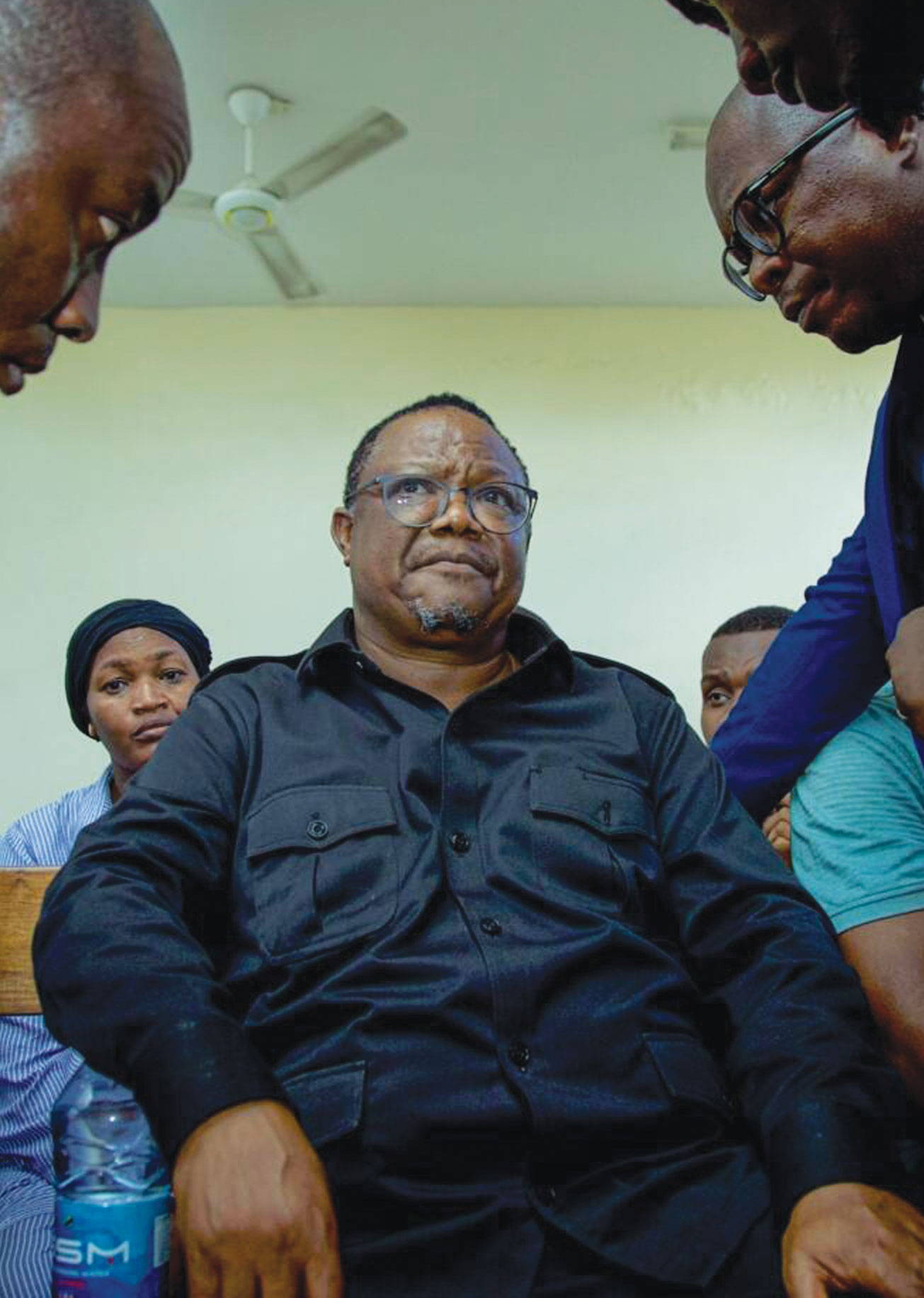
Tundu Lissu during his court appearance in April 2025

Tundu Lissu arrested, charged with treason
On April 9, 2025, Tundu Lissu, the recently elected chairperson of Chadema, the most prominent opposition party, and the party’s most likely 2025 presidential candidate, was arrested in Mbinga, southwest Tanzania. He had been addressing a rally calling for electoral reforms under the slogan “No Reforms, No Election.”

Lissu was charged with treason, a non-bailable offense carrying a potential death penalty, and three counts of “publication of false information” under Tanzania’s cybercrime laws, stemming from a YouTube post on April 3, 2025, alleging police involvement in electoral malpractices ordered by President Samia Suluhu Hassan.

Lissu was transferred to Dar es Salaam and appeared at Kisutu Magistrates Court on April 10, 2025. His treason case was adjourned to April 24, 2025, and he remains in custody, as treason charges do not allow bail.

On April 24, the police used force, including teargas, to disperse Chadema supporters outside the court, injuring at least 14 people. Lissu refused to attend a virtual court hearing, and two Chadema officials, John Heche and John Mnyika, were arrested en route to a join a group of supporters near the courthouse.

In context
On April 12, 2025, the Independent National Elections Commission barred Chadema from participating in the October 2025 elections, citing the party’s refusal to sign an electoral code of conduct, which Chadema views as a tool to suppress opposition. This disqualification severely limits Lissu’s and Chadema’s ability to challenge the ruling Chama Cha Mapinduzi (CCM).

Lissu has consistently called for an electoral commission that is genuinely independent, arguing that the current one, appointed by President Hassan, cannot ensure free and fair elections. His campaign intensified after the November 2024 local elections, where Chadema claimed thousands of its candidates were disqualified, allowing CCM to win almost all the seats contested.

A recent address to party members included a strong reminder of last year’s local government elections where official results gave candidates from the ruling CCM party more than 99% of the grassroots level seats at stake amid widespread claims of electoral fraud. “After going through that experience, any Chadema member who hopes to win in the same circumstances is not serious,” Lissu said. “We will just be slaughtered again, and that’s why we are pushing for reforms across the entire system of conducting the elections to prevent a repeat of that kind of farce.”

In September 2024, a senior Chadema official, Ali Mohamed Kibao, was abducted and killed, and the Tanganyika Law Society has reported 83 abductions or disappearances of government critics. There have also been mass arrests, including over 100 Chadema members (and five journalists) in Mbeya in August 2024, for planning a youth rally.

Lissu is no stranger to political difficulties. In 2017, he survived an assassination attempt, sustaining 16 bullet wounds, which forced him into exile in Belgium until 2020. He ran against President John Magufuli in the 2020 election, which was marred by allegations of rigging, and returned to Tanzania in 2023 after Hassan lifted a ban on rallies.

Some responses
Neither the Home Affairs Minister, Prime Minister nor President Samia Suluhu Hassan have directly addressed Lissu’s April 2025 arrest in public statements available up to May 15, 2025.

President Samia has previously positioned herself as open to dialogue with opposition leaders, though Chadema leaders have questioned how wholehearted these efforts have been. Despite introducing some reforms in 2021-2022, such as lifting bans on opposition rallies, recent signs suggest Hassan is retreating from democratic commitments, with Lissu’s arrest seen as part of a strategy to suppress opposition ahead of the October 2025 elections.

Zitto Kabwe, a leading figure in ACT Wazalendo, Tanzania’s second-largest opposition party, has expressed his concern over Lissu’s arrest. “Tundu Lissu’s case is a test for Tanzania’s democratic credentials under President Samia. How the courts handle it will be closely watched, both locally and internationally.” Unlike Chadema, ACT Wazalendo did (with reservations) sign the electoral code of conduct.

John Heche, the vice-chair of Chadema, defended Lissu’s campaign for electoral reform, invoking Tanzania’s founding president: “Mwalimu Nyerere said that Tanzanian youth should rebel against oppressive systems. What is the problem with rebelling against people who steal elections, against elections being stolen?”

John Mnyika, the party’s secretary general said: “They may silence Lissu for a day, but they cannot silence the will of the people forever.”

The party has also released official statements on the case. “The arrest of the Chairman of Chadema, Tundu Lissu, is a clear signal by the Samia and CCM regime that they do not respect the Constitution of the United Republic of Tanzania that declares Tanzania to be a multiparty democracy.”

Religious leaders in Tanzania have actively commented on Tundu Lissu’s arrest and the broader state of Tanzania’s democracy, expressing alarm over democratic backsliding and human rights violations. On April 20, 2025, the TEC, representing Catholic bishops, issued a statement calling for the immediate and unconditional release of Lissu and other detained political leaders, emphasizing that such actions are essential for preserving national peace ahead of the October 2025 elections.

The European Parliament and Amnesty International have called for Lissu’s immediate release, condemning his arrest as politically motivated and urging Tanzania to uphold freedom of expression and assembly. On May 8, the EU Parliament passed a resolution condemning Lissu’s arrest and expressing “grave concern over the charges against him, which appear to be politically motivated and carry the risk of capital punishment.” It called for his “immediate and unconditional release,” ensuring his safety and right to a fair trial and legal representation. The resolution also urged Tanzania to respect democratic principles and allow opposition parties to operate freely.

A backlash to the backlash?

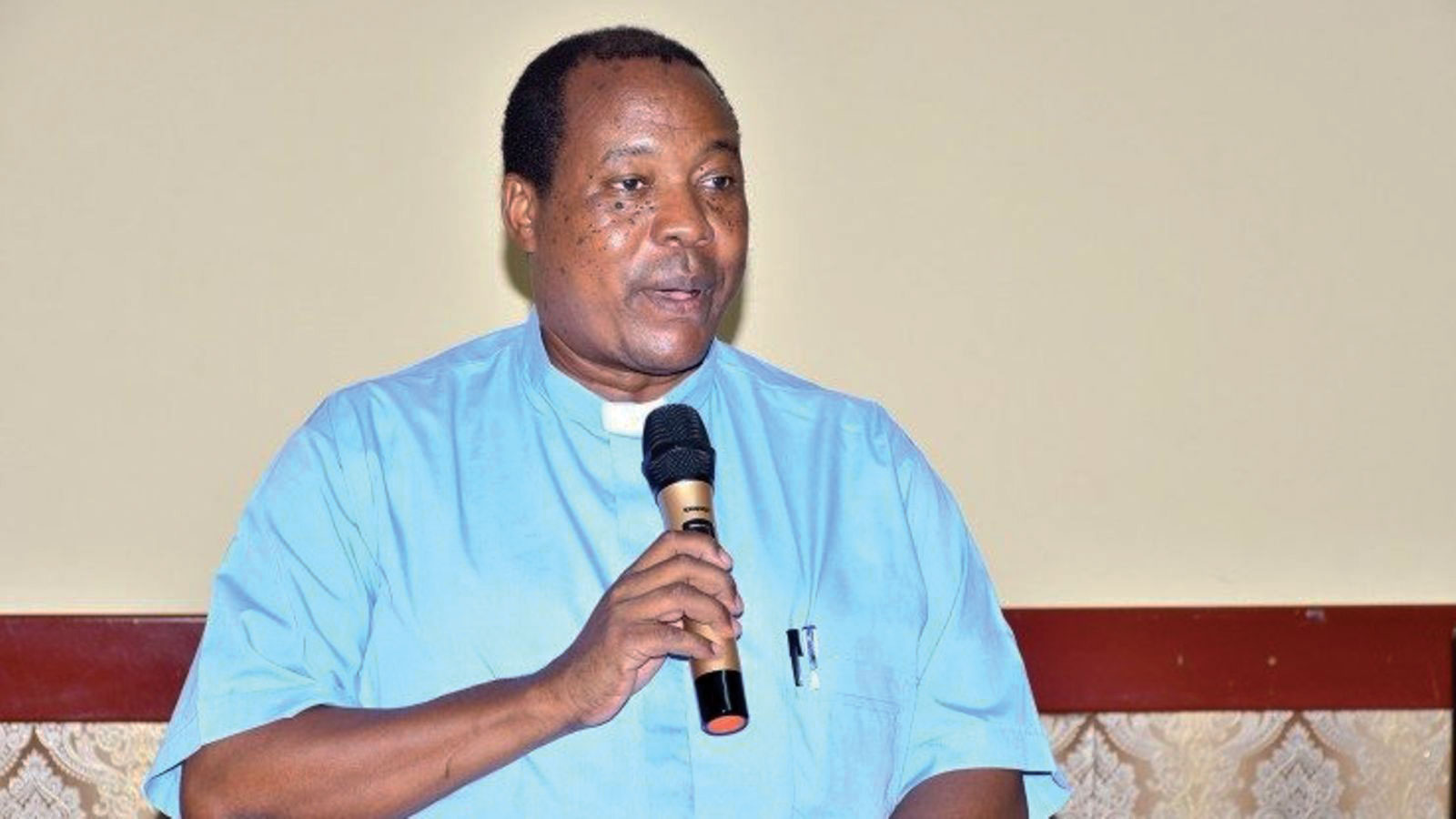
Father Charles Kitima, secretary general of the TEC (Tanzania Episcopal Conference), who was attacked in April

Father Charles Kitima, secretary general of the TEC and a longstanding critic of human rights abuses, was attacked on April 30, 2025 at the TEC headquarters in Kurasini, Dar es Salaam, by unknown assailants. It has been widely alleged that this was in retaliation for his outspoken stance. He had criticised the government’s actions, including Lissu’s detention, as “unlawful”, and linked Lissu’s arrest to broader electoral malpractices. “Stealing citizens’ votes, introducing fake or invalid ballots, and declaring someone who did not receive the majority of votes, while ignoring the rightful winner, that is evil, and it is the work of the devil.”

In a social media video recorded just hours before he was attacked, Kitima criticized “lawlessness” in Tanzania’s political system, urging the government to address electoral injustices to ensure free and fair polls. Following his attack, he relayed a message urging Tanzanians to “stand firm in defending fundamental national issues” and “not be afraid to pay the price for upholding justice and our national responsibilities.”

Opposition leaders condemned the attack, including Chadema’s John Heche who described it as “bad news for the country” and ACT Wazalendo’s Dorothy Semu who said it was “shocking and disturbing”. She questioned whether an ordinary person would attack a prominent religious leader in such a public location.

The government has not directly responded to Kitima’s specific comments on Lissu or electoral reforms, nor has it issued an official comment on the attack on Fr Kitima. However, both President Samia Suluhu Hassan and the Prime Minister Kassim Majaliwa had recently warned religious leaders against using their platforms for political purposes. Just in April, Mr Majaliwa urged religious leaders to focus on moral issues like gender-based violence rather than political matters.

On May 2nd, the EU delegation in Tanzania expressed being “deeply saddened” by the attack, and the US Embassy issued a statement condemning the “shocking and brutal attack.” The EU described Kitima as a “respected voice for civic education, inter-faith dialogue, and a peaceful, inclusive society.” They echoed calls for a “thorough investigation” and wished for Kitima’s speedy recovery, emphasizing his role in promoting democratic values.

Looking to the election
The next issue of Tanzanian Affairs is due out in October, around the time of the next elections. In the meantime, the situation is more than usually tense.

Chadema’s decision effectively to boycott the election means that one of the major players in Tanzanian politics will be sitting on the sidelines. It has also introduced some intra-opposition tension, as the other major opposition party – ACT Wazalendo – with a big presence in Zanzibar has not joined the boycott.

Both decisions are understandable. ACT’s major focus is Zanzibar, where the previous experience of CUF election boycotts has been that this has been ineffective and results only in a party being entirely locked out of power for five years. Party leader, Zitto Kabwe wrote recently that “to boycott these elections would be to hand victory to those who thrive on our silence. Instead, we fight, inspired by warriors of change who turned rigged elections into battlegrounds for justice. And that we will surely do!”

For Chadema, they highlight a situation where two key “referees” – the registrar of political parties and the electoral commission – are far from independent and ask how a meaningful election is possible in such circumstances. The “election code of conduct” appeared to be the immediate cause of their decision not to participate, and the party claims the code was a tool to suppress opposition. Nevertheless, their slogan “no reforms, no election” makes it clear that without significant electoral and/or constitutional reform, they were never likely to make a different choice.

With Chadema sitting things out, CCM faces little opposition. The only other party of significance is ACT-Wazalendo, which lacks Chadema’s organisational strength (with the exception of Zanzibar).

Voter turnout, which fell from 67% in 2015 to 52% in 2020, may fall even further, reflecting growing number who question the point of voting.

Electoral reform, particularly the establishment of a truly independent electoral commission, has been a central demand of opposition parties, civil society, and religious leaders. However, there are no prospects for meaningful reform before October 2025. In February 2024, Parliament passed amendments including the National Electoral Commission Act adding “Independent” to the name of the National Electoral Commission (NEC), making it “INEC” and shifting appointments to a panel chaired by the chief justice. However, these changes have been widely criticised as cosmetic, as the president retains veto power over appointees, and returning officers remain presidential appointees.

In September 2023, the President cited “insufficient time” for constitutional reform before the 2024 local elections, a stance that logically extends to 2025. This was despite a 2022 government task force recommending an independent electoral body and constitutional review. The government’s introduction of bills effectively maintaining the status quo as well as its response to Chadema’s “no reform, no election” campaign, have made it clear that the government has no inclination for change.

President Samia’s initial reforms (initiating cross-party dialogue, lifting rally bans in 2023, etc.) raised hopes for a democratic revival. However, more recent actions, including appointing Magufuli loyalists like Paul Makonda (see Issue 139), the arrest of Lissu and a growing number of apparent disappearances of critics strongly suggest a return to a hardline approach.

Neither domestic advocacy nor international pressure has shifted CCM’s stance, and the party’s ongoing dominance suggests that the official election results are not difficult to forecast. Given the high state of tension, however, as well as widespread anger among opposition party supporters, the broader outcome of the election is much more open. Chadema supporters in particular will have no obvious outlet for their frustrations. Protests and rallies are likely, to which the police response is highly predictable.

MOBILE INTERNET ACCESS

by Ben Taylor
Rapid growth in mobile internet access, and mobile money
The Tanzanian Communications Regulatory Authority (TCRA) has reported rapid growth in internet access in recent years, driven primarily by the use of mobile phones. The latest Communication Statistics Report, covering January to March 2025, reveals that internet service subscriptions have grown to 49.3 million, close to double the figure from December 2020 (25.2 million).

Mobile broadband (defined as 3G and above) leads with 27 million subscriptions, while a further 22 million depend on 2G subscriptions. Around 230,000 have fixed-line internet subscriptions. Many users may have more than one subscription.

According to the report, the improved connectivity is driven by significant infrastructure upgrades, and is reshaping the country’s social and economic landscape. The report shows that the population living in areas covered by 3G networks grew to 92.2%, while 4G coverage increased to 91% percent, and 5G coverage rose to 23%.

Meanwhile, a Bank of Tanzania Report covering payment systems in 2024 reported that the value of mobile money payments rose by 29% compared to 2023, which itself had seen a 35% rise above 2022 figures. The total value of mobile money payments in 2024 is reported as TSh 198.9 trillion (approx. GBP £55 billion), up from TSh 114 trillion in 2022. Dr Tobias Swai of the University of Dar es Salaam said one of the most significant benefits of Tanzania’s digital payment boom is the impact on financial inclusion. He said digital platforms have allowed millions of people, especially in rural areas, to access financial services without the need to visit a physical bank branch. “This shift is making financial services more accessible and convenient for people across Tanzania,” Dr Swai said.

For context, Tanzania’s GDP in 2024 is estimated at USD $79 billion (approx. GBP £59 billion.) The mobile money sector’s total transaction value being close to or exceeding Tanzania’s GDP in 2024 underscores its critical role in the economy. However, the high proportion likely reflects the rapid circulation of funds, where the same funds are transacted multiple times within a year, inflating the total value relative to GDP, rather than mobile money directly contributing an equivalent amount to economic output.

ATTACKS ON ALBINISM

by Charlotte Baker
Attacks on people with albinism in Tanzania: African court holds government responsible – why it matters
Charlotte Baker, Professor of French and Critical Disability Studies, Lancaster University
This article was originally published on TheConversation.com

People with albinism face widespread discrimination in many sub-Saharan African countries. In Tanzania, this minority has been subjected to extreme forms of violence. The government’s failure to protect their rights prompted the filing of a case before the African Court on Human and Peoples’ Rights. The case was brought by Tanzanian and international civil rights groups against the government of Tanzania. They were seeking more robust legal protections from the state for people with albinism.
In February 2025, the court delivered a landmark judgment, holding Tanzania accountable for human rights violations against persons with albinism.

What is the background to the case?
Human rights violations and abuses against people with albinism in Tanzania are common. This includes extreme forms of violence such as killings, abductions, mutilations and infanticide. Even after a person with albinism has died, their graves are at risk of exhumation to obtain body parts for sale.

A range of traditional and more modern beliefs drive the oppression of people with albinism. However, structural reasons related to social inequities have created a market in the body parts of people with albinism. These are used for the production of “charms” by “witchdoctors” who promise they’ll bring wealth and success.

The first media reports of attacks on people with albinism in Tanzania emerged in 2007, bringing international attention to the issue. Since then, over 700 attacks and killings in 28 countries have been reported to the Canadian NGO Under the Same Sun, although many more go unrecorded. The organisation works to end discrimination and violence against persons with albinism.

In Tanzania, there have been 209 reports of attacks since 2007. In June 2024, a two-year-old girl with albinism was abducted and killed in Kagera region.

What does the court ruling mean for persons with albinism?
Under international human rights law, the fundamental rights of persons with albinism must be protected under the UN’s Universal Declaration of Human Rights. Upholding the rights of people with albinism would ensure that they were treated fairly and with respect.

The African Court on Human and Peoples’ Rights found that, although some steps have been taken in the right direction, Tanzania has violated the right to life of persons with albinism by not protecting them as required under Article 4 of the African Charter. It also found the state violated the right to non-discrimination by failing to put enough measures in place to fight myths and stereotypes relating to albinism.

What does the Tanzanian government need to do?
The court determined that superstitions and harmful beliefs had led to discrimination and the targeted killings of persons with albinism. It ordered the government to make provision for nationwide awareness campaigns for at least two years to combat myths and superstitions about albinism.

The court requires the Tanzanian government to amend the 1928 Witchcraft Act to criminalise attacks against persons with albinism. This is in response to UN Resolution 47/8 on the elimination of harmful practices related to accusations of witchcraft and ritual attacks.

The government of Tanzania is also ordered to implement its national action plan on the protection of persons with albinism. The national action plan should address stigma and structural issues that lead to discrimination.

The government must also ensure the right to health protection. This includes access to skin and eye health services. Providing protective clothing and sunscreens can be lifesaving.

Meeting the needs of children with albinism in educational settings must be a priority for the Tanzanian government. This can mean minor adaptions to classroom layouts and access to visual aids. Most importantly, it requires a change in attitudes among teaching staff and other pupils.

Tanzania has also been ordered to establish a compensation fund and compensate persons with albinism who have been victims of violent attacks.

What power does the court have to ensure enforcement?
The African Court on Human and Peoples’ Rights has instructed Tanzania to publish the judgment on government websites within three months. It should remain accessible for at least a year.

The government must also submit a report on the implementation of the ruling within two years. If it hasn’t fully complied within three years, a hearing will be held. However, the court has a non-compliance crisis and there are no built-in consequences in its protocol.

The partners involved in bringing the case will monitor Tanzania’s compliance with the court’s orders.

The Institute for Human Rights and Development in Africa has called on civil society organisations, policymakers and human rights defenders to support efforts to protect the rights of people with albinism in Tanzania and beyond.

TOURISM & ENVIRONMENTAL CONSERVATION

by James L.Laizer

Tanzania Establishes Task Force to Enhance Carbon Trading Framework.
The Government of Tanzania has taken a major step toward advancing its climate and economic goals by launching a National Advisory Committee on Carbon Trading. The 20-member body was officially inaugurated on April 10, 2025, in Dodoma by the Minister of State in the Vice President’s Office for Union Affairs and Environment, Mr. Hamad Masauni. Comprising representatives from government ministries, public institutions, civil society, and the private sector, the committee has been given a one-month mandate to assess the current carbon trading landscape, identify challenges, and propose actionable recommendations. Its overarching goal is to enhance Tanzania’s participation in global carbon markets and ensure the country reaps substantial and equitable financial benefits.

Mr. Masauni emphasized that the committee will examine the full carbon trading value chain—from registration and measurement to transactions and agreements. He stressed the importance of improving transparency, accountability, and efficiency across the system. The committee is also expected to explore how key national infrastructure projects—such as the Julius Nyerere Hydropower Project (JNHPP), the Bus Rapid Transit (BRT) system, and the Standard Gauge Railway (SGR)—can leverage carbon trading opportunities to support environmental and financial sustainability. Additionally, the minister called for the development of a strong monitoring and evaluation framework to ensure that carbon projects deliver measurable outcomes aligned with Tanzania’s climate commitments and development goals.

Deputy Minister Khamis Hamza Khamis highlighted the need to educate the public about carbon trading to foster wider participation and local ownership. Meanwhile, Permanent Secretary Cyprian Luhemeja underscored that carbon trading presents a significant opportunity for Tanzania to benefit from climate finance, support social services, and stimulate green economic growth. With this strategic move, Tanzania positions itself to become a competitive player in the global carbon market, aligning environmental stewardship with national development. The committee’s work is expected to lay a strong foundation for a well-regulated, transparent, and inclusive carbon trading system that contributes meaningfully to the country’s long-term prosperity.

Restoring Tanzania: A Green Leap Toward Forest Revival and Climate Resilience
Tanzania is advancing a bold and visionary environmental initiative through the Sustainable Environmental Restoration and Biodiversity Conservation Project, aiming to restore 5.2 million hectares of degraded forests and landscapes. This effort is part of “The Restoration Initiative (TRI),” a global programme involving ten countries, including Kenya, China, Pakistan, and the Democratic Republic of Congo. Backed by a USD$11.2 million grant from the Global Environment Facility (GEF), the project is coordinated by the Vice President’s Office in collaboration with the United Nations Environment Programme (UNEP), the International Union for Conservation of Nature (IUCN), and seven district councils. Its core objectives include restoring degraded ecosystems in the Great Ruaha and Lake Rukwa Basins and reducing carbon emissions by an estimated 4.7 million tonnes by 2025 through the rehabilitation of 110,000 hectares of land. Project coordinator Dr. Damas Mapunda underscored the critical role of cross-sector collaboration, particularly with the private sector. However, private-sector involvement has remained modest due to limited awareness, few financial incentives, and a lack of scalable, bankable restoration models.

To encourage private sector engagement, the Restoration Factory Programme—jointly implemented by Bridge for Billions and Anza Entrepreneurs—is equipping green entrepreneurs with the tools to create sustainable and profitable ventures. To date, 46 entrepreneurs have enrolled, with 31 successfully graduating, supported by 14 trained mentors. Innovative ventures are already emerging. Ms. Annet Mutembei of Nishati Eco is producing alternative charcoal from agricultural waste, helping to combat deforestation and reduce health risks for women. Meanwhile, Mr. Deogratius Kapalata of KPLT Co. Ltd is repurposing coconut husks into clean briquettes and oil, tackling both energy and public health issues. Tanzania’s environmental restoration drive signals more than a policy shift—it is a transformative national movement. By blending innovation, entrepreneurship, and ecosystem recovery, the country is hopefully laying the foundation for a greener, more resilient, and economically inclusive future.

President Samia Launches Independent Commissions to Resolve Ngorongoro Land and Relocation Disputes
President Samia Suluhu Hassan has officially inaugurated two independent commissions aimed at resolving long-standing land disputes and evaluating the voluntary relocation of residents from the Ngorongoro Conservation Area. This action is expected to underscore the government’s commitment to finding sustainable and inclusive solutions that balance conservation efforts with community needs. Ngorongoro, a UNESCO World Heritage Site, has for decades been home to both wildlife and the indigenous Maasai pastoralists. However, growing human and livestock populations have raised ecological concerns. The number of residents has surged from 8,000 in 1959 to over 100,000 in 2021, while livestock numbers have grown from 260,000 in 2017 to more than one million. These increases have strained the ecosystem, creating conflicts between conservation policies and traditional livelihoods.

Historically, Tanzania has permitted indigenous communities to reside within certain protected areas. Yet tensions have grown due to reported land encroachments, restricted access to services, and allegations that basic provisions, such as food supplies, have been cut off to pressure communities into leaving. Speaking at the launch event on February 20, 2025, at the State House in Dar es Salaam, President Samia urged the commissions to approach the task with professionalism and objectivity. “I trust you will come up with lasting solutions on the issue, considering the national interest first,” she said.

The first commission, chaired by Justice Gerald Ndika, will investigate land dispute claims. The second, led by Mr. Musa Iyombe, will assess the voluntary relocation process. Both commissions are expected to include local community representatives to ensure inclusive dialogue and transparency. Their mandate is to deliver findings and recommendations within three months. This initiative follows President Samia’s pledge in Arusha on December 1, 2024, after engaging directly with Ngorongoro leaders and residents. By establishing these commissions, the government is aiming to demonstrate a proactive and people-centred approach to conflict resolution, though this may not be an easy task. If handled effectively, this process could serve as a blueprint for addressing similar challenges across Tanzania— preserving biodiversity while safeguarding the rights and dignity of indigenous communities.

ECONOMICS

by Dr Hildebrand Shayo

Tanzanian FY25/26 Budget Deficit To Widen On Heightened Spending Commitments
On March 11, 2025, Tanzania’s finance minister presented the Budget Framework and Expenditure Ceiling for the 2025/2026 fiscal year (the financial year running from July to June) ahead of the final budget, which will be read in June 2025.

The FY24/25 budget deficit is projected to range from 3.2% to 2.8%, reflecting the outcomes from the first half of the fiscal year. In light of the FY25/26 budget framework and considering expenditure forecasts, revenues are also expected to perform relatively well. However, a close analysis of the prediction for a 3.0% deficit in FY25/26, based on the Bank of Tanzania reports and the Ministry of Finance, indicates some fiscal slippage amid increased spending commitments in the near term.

From an economic perspective, in addition to previous budget-related announcements, the anticipated 2025 elections will be a significant line item in expenditures, along with preparations for the Africa Cup of Nations 2027 tournament. This will involve increased spending to address funding cuts by the US Agency for International Development (USAID) and higher security allocations for preparedness, likely reflecting the escalating conflict in the DRC and preparation for the October 2025 general election. This situation aligns with the government’s announcement that no new infrastructure projects will be initiated, as the focus shifts to completing the 9,711 projects currently underway while also seeking efforts to boost private sector funding.

Amid this background, Tanzania’s current account deficit might narrow from an estimated 2.6% of GDP in 2024 to 2.4% in 2025, supported by a strong outlook for exports of goods and services. In 2026, based on numbers analysis, the current account deficit could narrow further to 2.2% as continued import-substitution efforts, lower energy prices, and slower construction activity will help to narrow the trade deficit.

Given that Tanzania isn’t an island, heightened policy uncertainty and increased US protectionism and tariffs could pose significant risks for the country. Trade shocks to Mainland China from rising US tariffs and a stronger US dollar could reduce demand for Tanzanian goods and raise import costs.

Tanzania’s current account deficit is predicted to decrease from an estimated 2.6% of GDP in 2024 to 2.4% in 2025, which is in agreement with the central bank’s forecasts, according to a detailed examination of data from BOT and the Budget Framework and Expenditure Ceiling for the 2025/2026 fiscal year announcement. Data shows that the 3.2% prediction for 2025 considers the impact on agribusiness and better­than-expected 2024 results. According to data from the Bureau of Statistics, Tanzania’s export prospects will be positively impacted by the government’s incentives to increase production and self-sufficiency.

Strong export growth will reduce the trade deficit from an estimated 6.5% of GDP in 2024 to 5.6% in 2025. Compared to data from previous years, goods exports are expected to increase by 10.0% to USD 10.1 billion in 2025, driven by high metal and mineral prices, as well as regulatory improvements that will continue to encourage investment in Tanzania’s mining sector. Gold production is projected to rise by 2.3% and is expected to account for 42.0% of Tanzanian exports in 2023. Meanwhile, the Kabanga nickel and cobalt projects that are expected to be operational will help Tanzania diversify its metals and minerals export portfolio.

On the agricultural side, government efforts to reduce reliance on imports through subsidizing agricultural inputs, providing better storage and transport infrastructure, and building new processing facilities will help bolster the volume and value of Tanzania’s agricultural exports, including cereals, sugar, cashews, tobacco, and coffee. This will decrease the demand for agricultural imports, which accounted for 5.1% of imports in 2023.

Import substitution efforts and lower energy prices will reduce the country’s import bill in 2025. Analysis of the numbers suggests that import growth will slow from an estimated 4.3% in 2024 to 4.0% in 2025, with imports totalling around USD 14.9 billion. Given the assumption that the price of Brent crude will average USD 76.0 per barrel in 2025, a 2.8% decrease from USD 79.9 per barrel in 2024, this is good news for business.

Records show that oil accounted for 21.6% of Tanzania’s goods imports in 2023, and considering the import substitution efforts, as the government seeks to reduce domestic dollar demand, this will also help to lower import demand. Although no new major strategic project exists, a strong infrastructure pipeline will accelerate real construction industry growth to 10.1% in 2025, which could keep the trade balance in deficit.

Despite slowing growth in the tourism sector, transport service activity will continue to pick up, keeping the services balance in surplus at 5.5% of GDP. The historical data shows that Tanzania’s tourist arrival growth will slow from 57.0% in 2024 to 6.1% in 2025.

That said, to ensure that Tanzania maintains the momentum of the growth of its economy, there are indications that the Tanzanian authorities will continue to develop port infrastructure as the country aims to become a regional hub for landlocked East and Southern African markets such as Rwanda, Burundi, and Zambia.

On February 25, 2025, the US Donald Trump administration announced that it would eliminate over 90% of USAID’s foreign aid contracts and cut USD 60 billion in global assistance. Available data indicate that USAID inflows accounted for 56.7% of Tanzania’s secondary transfers in 2023. Unquestionably, according to an analysis of numbers, these secondary inflows will decline by at least 60.0% in 2025 to USD 271.0 mn.

Towards 2026, there are all indications the current account deficit will narrow to 2.2%. However, export growth will slow due to lower gold prices, decreased mining production, and a less optimistic agricultural outlook, which are forecasting a decline in import demand and costs. Ongoing import-substitution efforts will reduce energy prices, and slower construction activity will narrow the trade deficit to 5.3% of GDP.

Under President Samia Suluhu Hassan’s leadership over the past four years, Tanzania is increasingly attracting investment from international companies, particularly in the mining sector. Inflows from global financial institutions will also remain robust.

In December 2024, the IMF completed the fourth review of Tanzania’s Extended Credit Facility (ECF) arrangement, disbursing USD 148.6 million; during the previous review, the IMF also approved a six-month extension of the ECF until May 2026. Additionally, import-substitution efforts and the ban on using foreign currencies for business transactions (starting on July 1) should help reduce the reserve drawdown. Due to this measure, reserves are expected to remain around the 4.0-month import cover mark over the next two years, increasing from USD 5.8 bn by end-2025 to USD 6.0 bn by December 2026.

Though the US is not a major trade partner of Tanzania, it is essential to note that it is vulnerable to trade shocks from Mainland China and other trade partners due to rising US tariffs. Increased trade tariff wars and slower Chinese growth could diminish demand for Tanzanian goods. Likewise, intensified US protectionism would bolster the US dollar, raising the cost of imports.

However, increasing tax payments and vigorous economic activity will accelerate revenue growth to 13.9% year-on-year, reaching 16.0% of GDP in FY24/25. This is broadly in line with the estimated growth of 13.6% in FY23/24. This implies that with reforms to improve tax issues, efforts will continue to focus on improving tax payment, particularly indirect taxes such as value-added and pay-as-you-earn taxes, which increasingly benefit from digital payment infrastructure.

Many readers will recall that this concern was highlighted in the June FY24/25 budget speech, which noted that businesses and institutions have been collecting taxes but failing to remit them as required by tax laws. Therefore, the projected faster real GDP growth, expected to rise from 5.5% in 2024 to 5.7% in 2025, will, in my view, further enhance revenue receipts.

ENERGY & MINERALS

by Ben Taylor

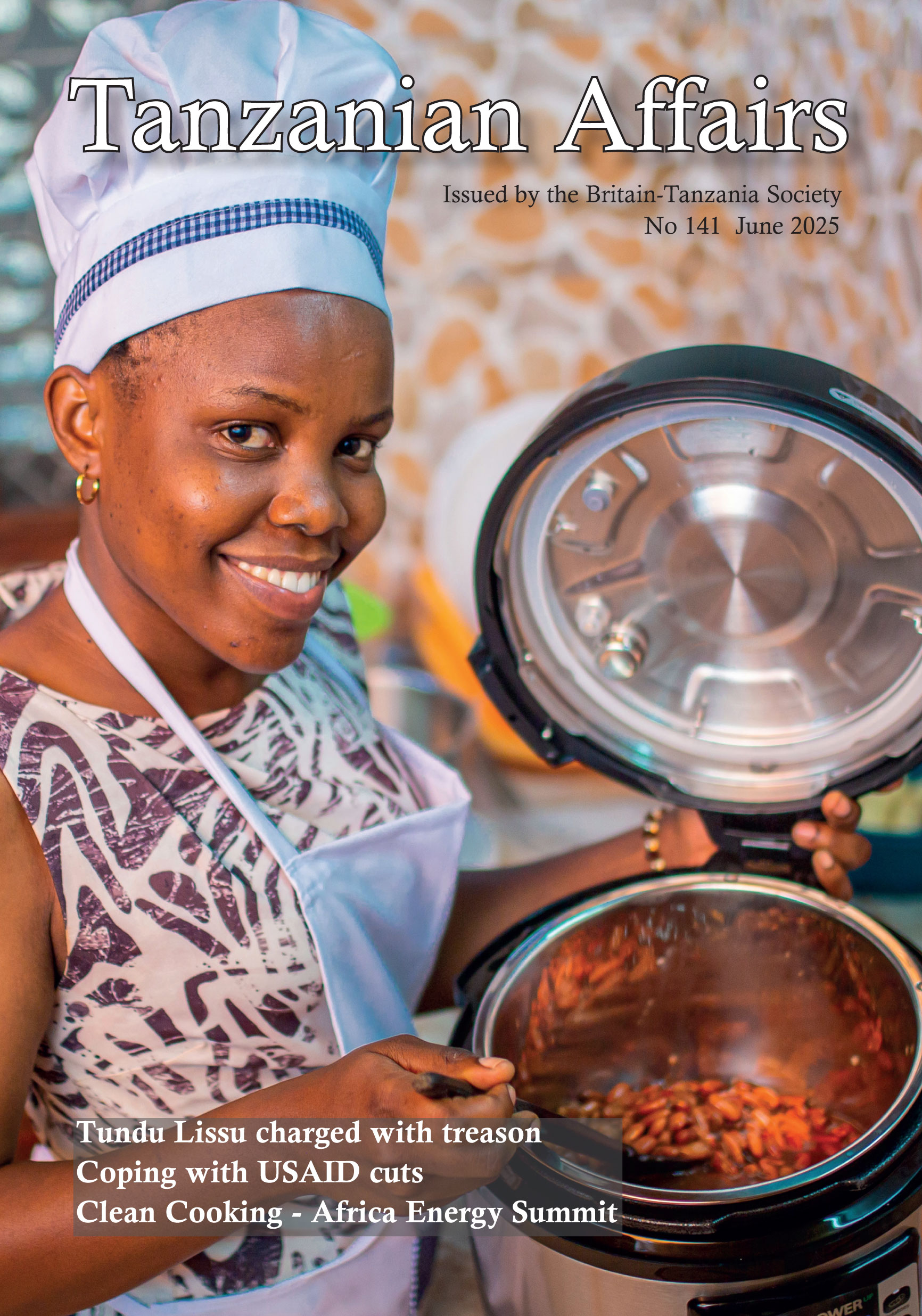
Images from the “National Clean Cooking Strategy (2024-2034)” publication showing cooking on electric and gas as a cleaner alternative to charcoal.

Images from the “National Clean Cooking Strategy (2024-2034)” publication showing cooking on electric and gas as a cleaner alternative to charcoal.


Africa Energy Summit 2025

The Africa Energy Summit, held in January 2025 in Dar es Salaam, marked a pivotal moment for African energy policy and regional cooperation. Hosted by the Government of Tanzania, together with the African Union, the African Development Bank (AfDB), and the World Bank, the summit reportedly convened over 25 African Heads of State, 1,000 delegates, and global partners to address the continent’s energy crisis. Nearly 600 million people across the continent lack reliable electricity according to the International Energy Agency (IEA). The event was themed around the “Mission 300 initiative” – an aim to connect 300 million Africans to electricity by 2030.

The summit reinforced Tanzania’s growing stature as a regional leader in East Africa’s energy landscape. President Samia Suluhu Hassan’s hosting of the event signalled Tanzania’s commitment to spearheading energy transformation, bolstered by the near-completion of the Julius Nyerere Hydropower Project (JNHPP), which has added 2,115 megawatts to the national grid (see below). The summit’s attendance was impressive, including heads of state from Nigeria, Kenya, Zambia and others, as well as key figures like UN Deputy Secretary-General Amina Mohammed, World Bank President Ajay Banga, and African Development Bank President Dr. Akinwumi Adesina. This has been reported as representing a unified African push for energy access, fostering pan-African solidarity.

The summit’s main outcomes included the Dar es Salaam Energy Declaration and the unveiling of National Energy Compacts by 12 countries, including Tanzania, Nigeria, and Senegal. The Declaration outlined actionable reforms including:

Commitment to Universal Energy Access: The Declaration prioritises providing reliable and affordable electricity to 300 million Africans by 2030, aligning with Sustainable Development Goal 7 and the African Union’s Agenda 2063. It emphasises inclusive access, particularly for rural and underserved communities.

Promotion of Renewable Energy: It underscores a shift toward renewable energy sources—such as solar, hydroelectric, and geothermal—to reduce reliance on fossil fuels like firewood and charcoal. This focus supports climate resilience and aligns with the Paris Agreement, aiming to integrate clean energy solutions into national grids and promote sustainable development.

Support for National Energy Compacts: The Declaration endorses country-specific National Energy Compacts from 12 nations (including Tanzania, Nigeria, and Zambia), which outline tailored plans to expand electrification, reform energy sectors, and enhance regional grid integration through initiatives like the East African Power Pool.

Mobilization of Financial Resources: It secures over $40 billion in pledges from the African Development Bank, World Bank, and other partners, alongside a $5 billion Mission 300 Guarantee Facility to de-risk private sector investments, fostering public-private partnerships to scale up energy infrastructure.

Advancement of Clean Cooking Solutions: The Declaration commits to expanding access to clean cooking technologies, such as natural gas and improved cookstoves, to reduce health risks from traditional biomass use and support environmental sustainability across African households.
Tanzania’s national compact set ambitious targets: electrifying 8.3 million households and 64,359 villages by 2030, raising the national electrification rate from 46% to 75%, and expanding cross-border electricity trade through the East African Power Pool.

The summit’s success lies in its political will and financial commitments, but its diplomatic test will be sustaining global partnerships while navigating Africa’s debt burdens. By prioritising African-led solutions and climate-resilient infrastructure, the event positions the continent as a proactive player in the global energy transition, potentially redefining its role from resource-rich-but-cash-poor to an aspiring clean energy powerhouse.

Stiegler’s Gorge Dam reaches full turbine capacity
A significant milestone has been achieved at the Julius Nyerere Hydropower Project (JNHPP), located at Stiegler’s Gorge on the Rufuji river, as all nine turbines are now fully operational, according to the Deputy Prime Minister and Minister of Energy, Dr Doto Biteko. They are collectively generating 2,115MW.

“It is a great joy that all the machines are operational and generating power. The dream of harnessing electricity from this dam has come true, and power is now available,” said Dr Biteko. He added that arrangements are afoot to invite President Samia Suluhu Hassan for the official project inauguration. Further, Egypt has confirmed its head of state will attend the inauguration, with the event schedule being finalised.

With the nation’s power production capacity increased, the government is in final discussions with Zambia to begin exporting electricity. A transmission line is currently under construction, with Zambia also building its section, paving the way for energy trade between the two nations.

A $320 million project to connect Zambia and Tanzania’s power supplies is being financed largely by the World Bank, with support from the European Union and the UK.

Dr Biteko added that the government is also focusing on expanding electricity transmission infrastructure within the country so as to benefit more people.

Tanzania issues helium mining licence
Tanzania has made a significant step towards helium production, with the issuance of the country’s first-ever helium mining licence to Helium One Global. The licence was granted for the company’s Rukwa Helium Project, which spans 480 square kilometres across the Momba and Sumbawanga districts in southern Tanzania’s Rukwa region.

In September 2024, Helium One Global had announced significant progress in its southern Rukwa operations and submitted a comprehensive Mining Licence (ML) application for its helium project. This was supported by an in-depth feasibility study, including subsurface modelling and a detailed commercial development plan.

The global helium sector is critical to industries like healthcare, electronics, and aerospace, driven by helium’s unique properties as a non-reactive, low-density gas essential for MRI scanners, semiconductor manufacturing, and scientific research. Global demand is rising, with the market projected to grow from $2.7 billion in 2022 to over $4 billion by 2030, fuelled by technological advancements and limited supply. Major producers like the United States, Qatar, and Russia dominate, but supply constraints and geopolitical tensions have spurred exploration in new regions like Tanzania.

The Rukwa Basin holds the world’s largest known primary helium deposit (138 billion cubic feet), positioning the country as a potential game-changer. Companies like Helium One Global and Noble Helium are leveraging advanced exploration techniques to tap these reserves, aiming to diversify the global supply chain amid increasing prices and demand.

The announcement of Tanzania’s first helium mining licence has had an immediate impact on Helium One Global’s market performance. The company, which is listed on the London Stock Exchange, saw its stock price rise by 17% following the news.

Helium One Global’s CEO, Lorna Blaisse, expressed her enthusiasm about the development, emphasizing the strategic significance of Tanzania’s helium reserves.

“This marks a milestone for both the Company and Tanzania, as it is the first mining license to be offered for helium in the country and of such a significant size,” she said. “We very much look forward to progressing the project in Tanzania through to production, as well as remaining opportunistic on further opportunities in-country and elsewhere.” Assistant Commissioner Francis Mihayo from Tanzania’s Ministry of Minerals remarked, “The positive results from the Helium One Global’s exploration deepen hope for helium presence in Tanzania.”