TOURISM & ENVIRONMENTAL CONSERVATION

by James L.Laizer

Tanzania tourism overtakes gold as top foreign exchange earner
Tanzania’s tourism sector has officially surpassed gold as the country’s leading foreign exchange earner, marking a historic milestone for the nation. Latest figures from the Bank of Tanzania and the Ministry of Natural Resources and Tourism show the industry generated $3.92 billion in the year ending May 2025, outpacing both gold and agriculture for the first time.

“This is a clear signal that tourism is no longer just a leisure sector, it is a strategic pillar for national development,” said Minister of Natural Resources and Tourism, Dr. Pindi Chana. “Our reforms, combined with Tanzania’s unique natural and cultural assets, have positioned the country as a top global destination.”

Tourism now contributes over 17% of Tanzania’s GDP and nearly 30% of Zanzibar’s economy, supporting more than 1.6 million jobs. Its resilience, particularly after the COVID-19 pandemic, has underscored its potential to reduce poverty and diversify income away from extractive industries like gold mining. Key reforms have helped unlock this growth. The Bank of Tanzania’s revision of foreign exchange regulations now allows tour operators to pay for services on behalf of international visitors and purchase specialized vehicles in foreign currency. Tanzania Association of Tour Operators (TATO) Chairperson, Mr. Mussa Makame, noted, “These exemptions remove significant operational bottlenecks and make Tanzanian tourism globally competitive.”

Tanzania’s natural assets remain the sector’s greatest draw. Mount Kilimanjaro, the Serengeti, and Zanzibar’s beaches continue to attract global attention. The country swept the 2024 World Travel Awards, winning Africa’s Leading Destination and World’s Leading Safari Destination. Private sector collaboration has been pivotal. TATO has championed sustainable tourism, promoted underexplored circuits, and implemented guidelines to protect the Mara River migration crossings. “Responsible tourism is essential,” said Makame. “We must balance growth with conservation to preserve Tanzania’s heritage for future generations.”

However, challenges remain, including infrastructure gaps, climate change, and over-tourism in key circuits. Yet with tourism revenues now exceeding gold, the country is better positioned to sustain reforms, strengthen partnerships, and deliver long-term economic and social benefits.

Zanzibar records historic tourism high

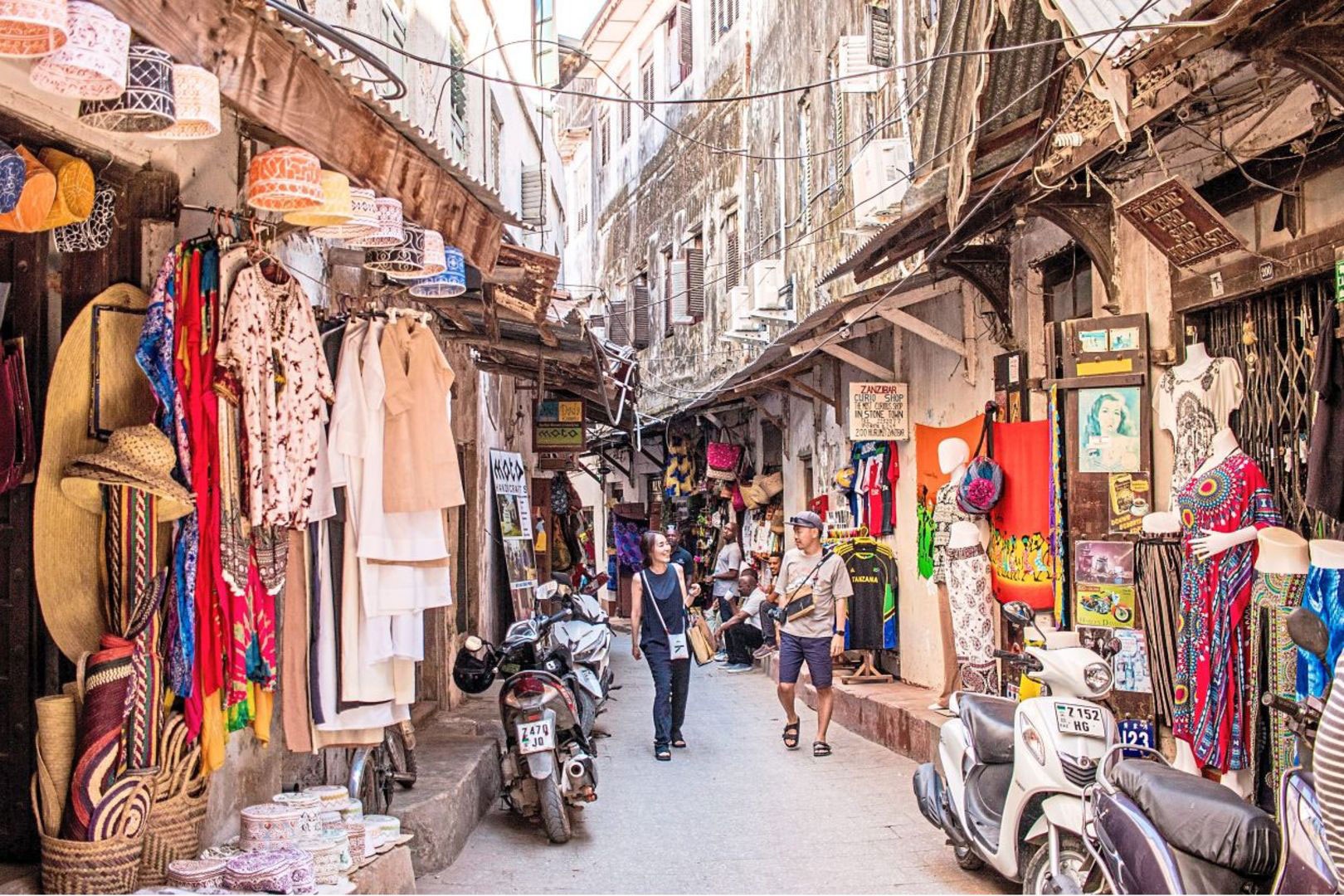
Tourists in the Stone Town, Zanzibar


Zanzibar has reached a historic milestone, welcoming over 106,000 tourists in July 2025, the highest monthly figure ever recorded on the islands. This surge highlights Zanzibar’s growing reputation as a premier travel destination in the Indian Ocean, drawing visitors from Europe, the United States, and neighbouring African countries.

Improved flight connectivity, innovative travel packages, and the island’s unique blend of natural beauty, cultural heritage, and vibrant marine life have fuelled this boom. From the white-sand beaches of Nungwi and Kendwa to historic Stone Town and the fragrant spice farms, Zanzibar offers experiences that are both authentic and memorable.

The tourism boom is already stimulating the local economy. Hotels, resorts, restaurants, and tour operators report unprecedented demand, creating jobs and supporting small businesses. The Zanzibar Commission for Tourism notes that this surge aligns with government efforts to position the islands as a world-class destination while emphasizing sustainable practices. Authorities stress that growth must go hand in hand with environmental conservation, especially the protection of coastal ecosystems and historical sites.

The record-breaking numbers also reflect renewed confidence in Zanzibar’s tourism infrastructure, with improved facilities enhancing the visitor experience. Industry experts anticipate that momentum could continue in the coming months, reinforcing Zanzibar’s status as a top destination in East Africa.

For Zanzibaris, tourism is more than numbers, it represents livelihoods, community development, and resilience. Sustaining growth responsibly, investing in infrastructure, and conserving the islands’ unique natural and cultural assets will be key to maintaining Zanzibar’s success on the global tourism map.

Tanzania’s 2025/26 budget: what it means for climate action
Tanzania’s 2025/26 national budget, presented on June 12, 2025, by Finance Minister Dr. Mwigulu Nchemba, reflects a mix of ambition and challenges in tackling climate change. With a ceiling of TSh 56.5 trillion, the budget outlines how the government plans to support economic growth while strengthening resilience against floods, droughts, and other climate-related disasters. “Climate change is no longer a distant threat; it is affecting agriculture, health, energy, and livelihoods,” Dr. Nchemba emphasised. “Our budget must address these risks while supporting economic growth.” Yet, experts warn that allocations for climate adaptation, especially for vulnerable rural communities, remain insufficient.

Tanzania’s economy is highly climate-sensitive. Agriculture, livestock, fisheries, energy, transport, and health sectors all face rising risks from erratic rainfall and prolonged droughts. The natural resources, environment, and tourism sector received TSh 317.4 billion – well below the TSh 441.8 billion requested highlighting a continued reliance on external grants and loans.

The budget includes measures to promote cleaner energy. The government aims to expand Liquefied Natural Gas (LNG) for cooking, boost Compressed Natural Gas (CNG) in transport, and continue oil and gas development. Tax incentives on electric and gas-powered vehicles, VAT exemptions for cleaner fuels, and excise duties on coal and gas emissions are intended to encourage greener practices and reduce deforestation. Agriculture and water sectors received substantial allocations of TSh 1.93 trillion and TSh 898.1 billion respectively, focusing on irrigation, climate-resilient crops, and infrastructure projects such as the Simiyu Climate Resilience Project, supported by the Green Climate Fund and KfW.

However, gaps remain. Many initiatives focus more on mitigation and revenue generation than on strengthening resilience for those most exposed to climate shocks. Analysts stress the urgent need for domestic financing, through green bonds, private partnerships, and careful allocation of carbon revenues to complement international support.

In a world of shrinking aid and rising climate risks, Tanzania’s budget is both a step forward and a reminder: effective climate action must balance mitigation with adaptation, ensuring communities on the frontlines are not left behind.

TANZANIA DEVELOPMENT TRUST

by Sheila Farrell

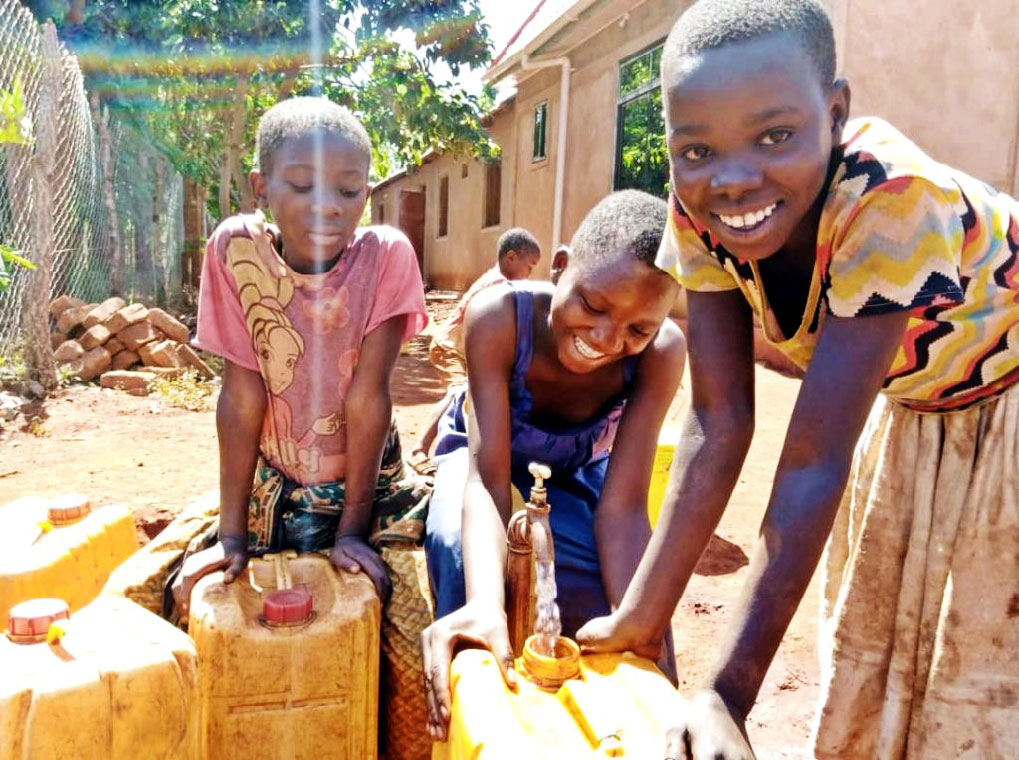
Elidetha and friends who benefited from an Mboni ya Vijana project with TDT funding to provide a borehole in her village in Kigoma region.


A good year for TDT
Tanzania Development Trust, the development arm of the Britain Tanzania Society, has just completed another good year, although revenues at £243,000 were £50,000 below their 2023-24 peak due to a reduction in legacies and large “one-off” donations.

Just over half of our general income comes from individual donations, with BTS members providing around half of these. A further 10% comes from BTS members using TDT as a tax-efficient way of sending money to their own projects in Tanzania. Although we have diversified our sources of income in recent years, attracting more external grants and non-BTS donations, it is ultimately your generosity that determines the number of projects we are able to undertake each year. So please think about whether you might be able to donate a little bit more now, or remember us in your will.

TDT has completed some truly inspiring projects in 2024-25 in its core areas of clean water, girls’ education, and small income-generating activities, benefitting an estimated 110,000 people. Most of the projects are small (under £6,000) but provide the seed capital needed to help people to help themselves.

In the water sector, we have on-going programmes for the construction of shallow boreholes and spring protection works. These are great value for money. Costing around £1,500 each, they provide clean water to small villages of around 1,500 people who previously relied on dirty ponds or streams at risk of disappearing during the dry season. The public health benefits have been immediately apparent, and many of the schemes also reduce the time spent fetching water. Around half of our income was spent on clean water projects last year, allowing us to bring clean water to over 60 villages.

In education, we provided 13 schools with hostels, computer technology or help in growing their own food, as well as a boarding school for teenage mothers in Tabora. TDT is also closely involved with a vocational training centre and school for deaf children near Dodoma.

Small income generating projects help people to set up sustainable businesses that add value to local agricultural outputs, make use of local raw materials, or supply regular local demands for things like school uniforms. Pass-a-pig (or goat) schemes remained popular, and last year we became involved for the first time in a plastics recycling project offering commercial incentives for better waste management.

TDT is run entirely by volunteers, so 100% of the money we raise goes directly to projects in Tanzania. Our UK-based Project Officers are responsible for ensuring that all projects are properly vetted before any funding is approved and follow up on projects after they have been completed to check how effective they have been. However, our big success in recent years has been in building up a 17-strong team of Local Representatives who act as our eyes and ears on the ground. Local knowledge is the key to effective development assistance, and they have been invaluable in providing it. So a big Thank You to our Tanzanian volunteers.

If you would like to read TDT’s Annual Report in full, you can find it at https://www.bit.ly/TDTAR25

TRANSPORT

by Ben Taylor

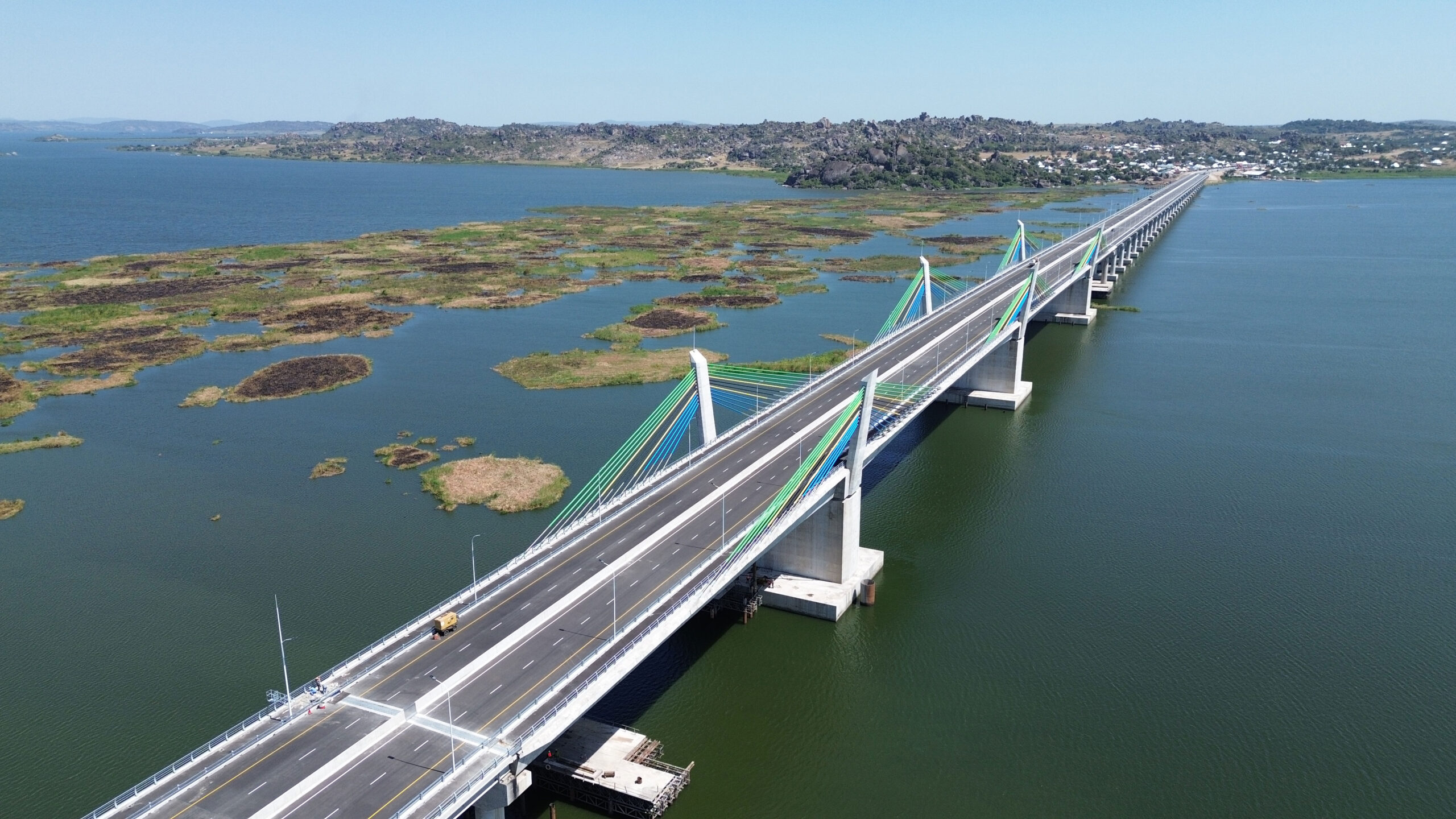
Mwanza: John Pombe Magufuli Bridge

Magufuli bridge

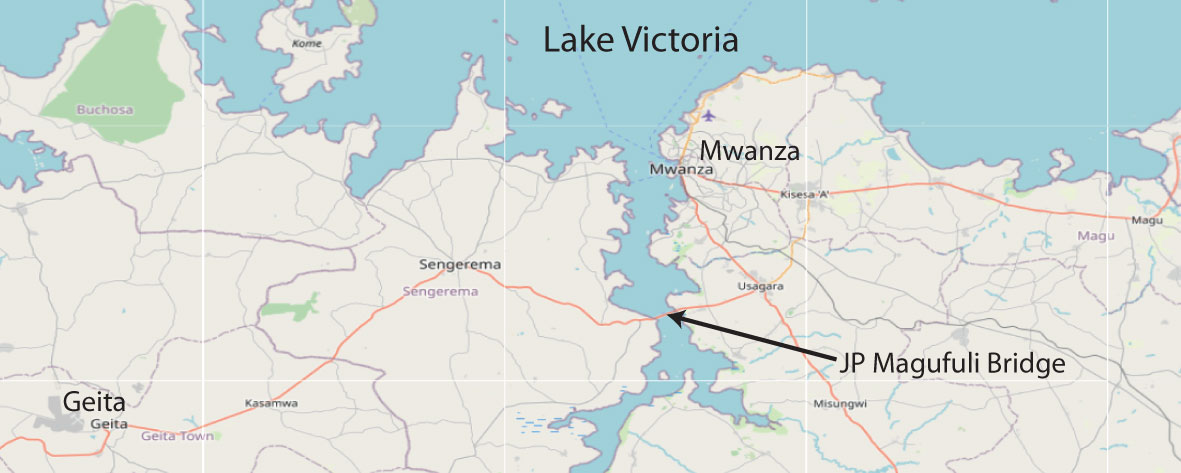
Map showing Magufuli bridge location


On 19 June 2025, President Samia Suluhu Hassan inaugurated the 3.2 km John Pombe Magufuli Bridge, spanning an inlet of Lake Victoria in Mwanza. This cable-stayed bridge, East Africa’s longest, connects Kigongo to Busisi, slashing travel time across the lake from 35-minute ferry rides to a five-minute drive.

Costing TSh 682 billion (approximately US$280m), the Chinese-funded project includes a 35km approach road, enhancing connectivity for over one million residents in Mwanza and Geita regions. It will support enhanced trade with Uganda, Rwanda, and Burundi by linking to key highways, potentially boosting agricultural and mineral exports. The bridge, with a 32m clearance for maritime traffic, supports 3,500 daily vehicles, easing congestion and cutting logistics costs by up to 20%.

President Samia hailed it as a “game-changer” for regional integration, projecting 5,000 direct and indirect jobs.

The bridge took approximately six years to construct. Construction began in 2019 following the signing of a contract in 2018 with a Chinese consortium led by the China Railway Major Bridge Engineering Group and China Railway No. 8 Engineering Group. It was originally envisaged to be completed in 2022, as outlined in early government announcements and contractor agreements, but delays due to logistical challenges, including land acquisition for the 35 km approach roads, and technical complexities extended the timeline by approximately three years.

SGR developments – and further promises
In July 2025, President Samia Suluhu Hassan launched electric freight services on the Standard Gauge Railway (SGR) from Dar es Salaam to Dodoma, a 460 km stretch. Kwala Dry Port, located inland about 80km west of Dar es Salaam has also been opened, serving landlocked countries including Rwanda, DRC, Uganda and Malawi and aiming to reduce cargo transit times from several days by road to under 12 hours by rail, with trains carrying up to 10,000 tonnes.

The SGR expansion will comprise 2,561km of electrified standard gauge rail by 2027, connecting Dar es Salaam to Lake Victoria and to Rwanda’s border, also enhancing trade with the DRC and Uganda.

The 2025/26 budget increased railway funding by 29% to TSh 2.28 trillion, supporting electrification and rolling stock acquisition. The Mwanza section, with 14 trains and 249 wagons, is expected to support

1.2 million tonnes of cargo yearly, cutting transport costs by 40% for minerals and crops. Total investment to date exceeds US$10 billion, primarily funded by Chinese loans and development partners like the African Development Bank (AfDB).

Building on the success – and popularity – of the new networks, CCM has included several new plans in their 2025 manifesto.

Completed SGR stages
• Dar es Salaam to Morogoro (300 km): Operational since 2022; electric trains cut travel time to two hours.
• Morogoro to Dodoma (/Makutupora, just outside Dodoma, 200 km): Completed and operational since March 2025; integrates with the full Dar-Dodoma route (total 541 km).

SGR Stages underway:
• Makutupora to Tabora (368 km): 14% complete as of June 2025.
• Tabora to Isaka (165 km): 7% complete; early civil works ongoing.
• Isaka to Mwanza (341 km): 63% complete; freight trials started in June

2025, full operations expected by late 2026.
• Tabora to Kigoma (506 km): 15% complete; US$2.2 billion contract with Chinese firms targets 2026 completion.
• Tanzania-Burundi Extension (Uvinza to Musongati, 282 km): Construction launched in August 2025 under a US$2.15 billion contract with China Railway Engineering Group.

New pledges:
• New northern corridor (Tanga to Musoma via Arusha/Moshi, 1,028 km): Announced January 2025 and included in CCM 2025-2030 manifesto; feasibility studies underway, lacks confirmed financing.
• Southern route (Mtwara to Mbamba Bay via Songea and Ludewa, ~500 km): Conceptual stage to serve mineral-rich areas like Liganga-Mchuchuma; no financing secured.
• Broader regional links (eg. to Rwanda/DRC) depend on Burundi completion; AfDB has pledged US$3.05 billion overall but gaps remain for extensions.
• Urban / commuter rail networks for Dar es Salaam and Dodoma: included in CCM manifesto.

Ongoing Air Tanzania plans
The CCM manifesto also includes further expansion plans for Air Tanzania. This includes the acquisition of 10 new wide-body aircraft (eg. Boeing 787 Dreamliners) by 2028, funded through public-private partnerships and loans from development banks like the African Development Bank. This builds on recent deliveries of three Boeing 787-8s in 2024.

CCM also pledged to establish a dedicated aviation fund (TSh 500 billion initial allocation) for ATC’s restructuring, including debt relief and performance-based incentives. This also includes improving on-time performance from 65% to 90% via digital booking systems and staff training for 1,000 employees.

ENERGY & MINERALS

by Ben Taylor
Fifth oil and gas licensing round delayed
Tanzania’s Petroleum Upstream Regulatory Authority (PURA) first announced the fifth oil and gas licensing round in February 2025, targeting an opening on March 5 with 26 blocks (23 offshore in the Indian Ocean and three in Lake Tanganyika). This was then deferred to May to maximise investor visibility, aligning with events like the Africa Energies Summit in London on May 13. Pre-launch promotions emphasised the blocks’ potential, backed by over 57 trillion cubic feet of known gas reserves and extensive seismic data (132,000 km²), positioning it as the first major bidding process in over a decade.

However, updates through mid-2025 consistently described it as “poised to launch” or “preparing to offer” opportunities, without crossing into active status. By June and July, industry analysts still framed it as an upcoming event tied to broader natural gas expansion goals.

At the time of writing, the official licensing round website (tanzanialicensinground.com) states that PURA “hopes to make a pre-announcement soon” on the fifth offshore round, with full guidelines, data packages, and deadlines still pending as of late September. No bid submissions have been solicited or received, and requirements for technical/financial proposals remain outlined but not activated.

In a meeting at Africa Oil Week in Accra (late September), PURA Director General Victor Bujuba invited Chevron to participate, explicitly noting “plans to launch a bidding round” for the blocks – indicating it’s not yet live.

No official explanation for the hold-up has been detailed, but contextual factors include aligning with LNG negotiations and ensuring investor reassurance under President Samia Suluhu Hassan’s administration. Global energy market volatility and the need for streamlined processes may also play a role. Analysts remain optimistic, viewing it as a “very important moment” for Tanzania’s energy future, potentially unlocking upstream investments and bolstering exports.

LNG negotiations remain stalled
The lengthy negotiations for the proposed $42 billion onshore liquefied natural gas (LNG) plant in Lindi, Tanzania, remain in advanced but unresolved stages. The project, led by a consortium including Equinor (35% stake), Shell (25%), ExxonMobil (20%), and partners like TotalEnergies and Pavilion Energy, aims to process up to 25 million tonnes of LNG annually from offshore gas fields such as Likomba, Lavani, and Mtwara. The core sticking points – local content requirements, tax incentives, and domestic participation – persist, delaying the Host Government Agreement (HGA) and final investment decision (FID).

Government officials, including President Samia Suluhu Hassan and Energy Minister Doto Biteko (also Deputy Prime Minister), continue to describe talks as “nearing completion,” with an FID targeted for late 2025, potentially enabling construction to start in 2026 and first exports by 2032. However, no binding agreements have been publicly confirmed, and the process appears intertwined with Tanzania’s October 28 general election, where project momentum is being leveraged for political support.

In January, investors had expressed confidence in wrapping up talks “early this year,” citing agreement on key HGA elements from prior framework deals (signed in 2022). This built on a 2023 preliminary HGA but addressed outstanding issues like profit-sharing.
Around April and May, Minister Biteko acknowledged delays due to local content disputes but pledged resolution of three core issues (taxes, participation, incentives) for a 2025 signing. By May, the government reported “significant progress,” aligning with a broader push for gas monetisation amid global LNG demand.

A tantalising near-breakthrough came in July, when officials announced the HGA could finalise “within two weeks” (i.e. by early August), following Attorney General consultations on revisions. Mr Biteko attributed this to President Samia’s direct involvement, positioning it as a pathway to FID by year-end. Industry analysts viewed this as a pivotal shift, potentially unlocking $5-7 billion in initial investments.

However, no follow-up confirmation emerged. August passed without announcements, and Global Energy Monitor’s June assessment noted ongoing delays from financial agreement tweaks. This pattern echoes historical stalls under previous administrations, where investor concerns over resource nationalism halted progress.

Recent updates have clustered around President Samia’s southern campaign tour (September 25-28), reiterate “nearing take-off” without new milestones. In Lindi rallies, she described negotiations as “sensitive and costly” after two years, vowing immediate implementation post-signing if re-elected, and highlighting a new LNG training college as a local benefit. Prime Minister Kassim Majaliwa echoed this, framing the project as a CCM triumph after 12+ years of delays. The ruling party’s manifesto also “reignites” the initiative, promising economic transformation.

Critically, these statements are all aspirational, with nothing to indicate meaningful breakthroughs. Analysts suggest that the election is inflating rhetoric, with real progress likely deferred until after the elections.

Key hurdles include balancing investor returns (amid volatile LNG prices) with Tanzania’s local content mandates. If resolved, the plant could add an estimated 10% to GDP and create 8,000 jobs, per government estimates. Yet, without HGA closure soon, slippage to 2026 – or beyond – is probable.

Gold: refining and expansion
Gold mining, Tanzania’s extractive cornerstone, reported robust growth. The sector earned USD$700 million in the first half of 2025, fuelled by higher output and prices. In July, the government mandated large-scale miners to refine and trade at least 20% of output locally, aiming to build national reserves – the Bank of Tanzania acquired 4.8 tonnes by May.

Major projects progressed: Perseus Mining’s $700 million Nyanzaga gold project, greenlit in April, advanced construction in May, marking Tanzania’s first major gold development in 17 years and promising 220,000 ounces annually. Lake Victoria Gold secured a free carried interest agreement with the government in September, easing fiscal hurdles for its operations. Infrastructure bolstered output; Hitachi Energy connected the Geita gold mine to the national grid in late September, enhancing efficiency at one of Africa’s largest operations.

Helium and critical minerals
Helium extraction has emerged as a bright spot in Tanzania’s extractives sector. Helium One Global advanced its Southern Rukwa project, finalising license terms in June and securing equipment for well development. An independent report in late June validated reserves, with pilot plant commissioning targeted for December 2025. Neighbouring Noble Helium upgraded its North Rukwa resource estimate by 28.5% in July, boosting prospective volumes and drawing investor interest amid global helium shortages.

Base metals and other minerals gained traction. Lifezone Metals closed a $60 million bridge loan for the Kabanga nickel project in September, targeting first production in 2025 and positioning Tanzania as a key supplier for EV batteries. A July-August report highlighted Tanzania’s “bold copper leap,” with innovations to process low-grade ore into high-purity concentrates locally. East Africa Metals updated its Magambazi gold-tantalum project in August, partnering for development and license renewal. August’s minerals value-addition report identified 14 opportunities across gold, graphite, copper, and fertilizers, worth billions. Uranium extraction preparations advanced in July, with 139 million tonnes of deposits promising a 22-year mine life. Rising prices for base metals in 2025 amplified these prospects.
HEALTH

by Ben Taylor

Tanzania pushes for medical tourism leadership
In late September 2025, Tanzania launched a comprehensive strategy to position itself as Africa’s leading medical tourism destination, building on recent infrastructure investments and policy reforms. This initiative aims to capitalise on the country’s growing healthcare capabilities and natural attractions to attract high-value international patients. The plan emphasises upgrading facilities, fostering public-private partnerships, and enhancing specialist services, with an eye on generating substantial foreign exchange – medical visitations already yielded a reported TSh 166.5 billion (approximately US$64 million) in the 2024/2025 financial year.

Central to the reforms is the Benjamin Mkapa Specialised Hospital in Dar es Salaam, which exemplifies the upgrades: state-of-the-art equipment, expanded oncology and cardiology units, and a cadre of internationally trained specialists. The government has allocated funds for similar enhancements at regional hospitals, including Zanzibar’s Mnazi Mmoja facility, which is undergoing a major overhaul to include advanced diagnostics and wellness retreats blending medical care with tourism. These efforts align with broader goals to reduce outbound medical travel – Tanzanians currently spend over US$200 million annually abroad – while drawing patients from East Africa, the Middle East, and Europe for cost-effective procedures like orthopaedics and fertility treatments.

International collaborations are key: partnerships with Indian and Turkish firms will introduce telemedicine hubs and training programmes, targeting a 20% annual growth in medical tourists by 2030. Health Minister Ummy Mwalimu highlighted the potential during the launch, noting that combining world-class care with Tanzania’s safari heritage could create 10,000 jobs and boost GDP by 1-2%.

Challenges remain, including regulatory harmonisation and quality accreditation, but this strategic pivot has much potential. It not only addresses domestic healthcare gaps but positions Tanzania as a regional healer, leveraging its relative stability and affordability in a global market projected to reach US$200 billion by 2030.

Artificial Intelligence in healthcare delivery
On 10 September 2025, Tanzania announced pioneering initiatives to integrate artificial intelligence (AI) into its healthcare system, spotlighted at the 26th Medexpo Africa trade exhibition in Dar es Salaam. Themed “Digital Solutions for Healthcare Transformation,” the event reportedly gathered over 300 exhibitors to showcase AI’s role in diagnostics, efficiency, and patient outcomes. This would mark a major leap for a sector where only an estimated 40% of facilities had digital records pre-2025, aiming to bridge urban-rural divides through tools like predictive analytics and remote monitoring.

Key components include deploying AI-powered imaging software in 50 public hospitals for faster tuberculosis and cancer detection, reducing diagnostic times by up to 70%. Partnerships with IBM and local startup AfyaTech will pilot chatbots for maternal health consultations in Swahili, targeting 5 million rural users by 2027. The US$10 million seed funding, drawn from the national health budget and donor support, also funds training for 2,000 clinicians in AI ethics and data management.

Experts at Medexpo, including WHO representatives, praised the move as “revolutionary” for resource-limited settings, where AI could cut administrative burdens by 40% and improve outbreak responses, as seen in COVID-19 simulations. President Hassan, addressing the forum virtually, linked it to Vision 2050’s digital economy goals, envisioning AI-driven telemedicine to achieve 90% health coverage. Hurdles like data privacy and infrastructure (such as limited internet accessibility) persist, but pilot successes in Arusha (e.g. AI triage in emergency wards) signal promise. By embedding AI, Tanzania is not just modernising healthcare but fostering innovation hubs, potentially exporting solutions to neighbouring nations and positioning itself as Africa’s AI health pioneer.

Mpox outbreak
Tanzania is experiencing a notable outbreak of mpox (formerly monkeypox, or MPV), which began in March 2025. Tanzania confirmed its first two cases on March 10, 2025, in Dar es Salaam, both clade Ib (a more transmissible and severe variant driving the African epidemic). By June 22, 2025, the total reached 64 confirmed cases with no deaths. This rose to 111 cases by July 31, 2025, still with zero fatalities, indicating community transmission primarily among adults via close contact.

The outbreak aligns with the broader African mpox emergency, declared a continental concern by Africa Centres for Disease Control (CDC) in September 2025, though global cases have declined 52% since peaks in May-June elsewhere.

Response efforts include vaccination drives (prioritising high-risk groups), contact tracing, and public awareness campaigns by the Ministry of Health and WHO. As of September 2025, mpox remains a Public Health Emergency of Continental Security according to the Africa CDC, with Tanzania’s cases contributing to over 40,000 reported across Africa this year.

Mpox is a viral zoonotic disease caused by the monkeypox virus that typically presents with symptoms like fever, rash, swollen lymph nodes, and muscle aches. It spreads mainly through close physical contact, contaminated materials, or respiratory droplets during prolonged face­to-face exposure.

EDUCATION

by Ben Taylor

Basic Education Skills Initiative unveiled
On 1 September 2025, President Samia Suluhu Hassan unveiled the Basic Education Skills Initiative during a campaign rally, aiming to ensure that every Tanzanian child can read, write, and perform basic calculations by the end of Standard Three. This plan forms part of a broader vision for early childhood development (ECD) and educational reform, prioritising foundational literacy and numeracy to address longstanding gaps in primary education. With Tanzania’s literacy rate hovering at around 78% and significant disparities in rural areas, the initiative seeks to equip young learners with essential skills for lifelong learning and economic participation, aligning with the country’s Vision 2050 goals.

Key objectives include transforming primary education through curriculum reforms that integrate practical, skills-based learning from the earliest stages. The plan emphasises interactive teaching methods, incorporating digital tools and play-based approaches to make lessons engaging and effective. Teacher training is a cornerstone, with commitments to upskill 7,000 educators in science, mathematics, and literacy pedagogy within the first 100 days of a potential re-election. This builds on the February 2025 launch of the updated Education and Training Policy, which extends compulsory education and enhances vocational elements.

Implementation strategies involve partnerships with organisations like UNICEF and KOICA for STEM integration and resource provision, targeting 1.2 million children with school meals and digital learning aids. Infrastructure upgrades, such as shifting to single-shift schooling nationwide by year’s end, will reduce overcrowding and improve access. Expected outcomes include boosted enrolment rates, reduced dropout figures, and a more skilled workforce ready for Tanzania’s digital economy.

Challenges, however, persist: funding constraints and teacher shortages in remote regions could hinder rollout. President Hassan has tied the initiative to her re-election manifesto, vowing to prioritise ECD classrooms and vocational centres, potentially creating thousands of jobs while fostering inclusive growth. If successful, this could mark a pivotal shift in Tanzania’s educational landscape.

ACT Wazalendo also make ambitious promises
ACT Wazalendo’s election manifesto for 2025–2030 positions education as a cornerstone of inclusive development and economic empowerment, emphasising universal access, quality, and relevance to job creation. The party pledges “truly free education up to university level – no hidden contributions,” aiming to eliminate informal fees that burden families and ensure equitable opportunities for all Tanzanians, regardless of location or income. This builds on their 2020 commitments to free pre-school, primary, secondary, and vocational training, but extends it comprehensively to higher education, with subsidies for tuition and a shift in loans to cover only subsistence costs like meals and accommodation.

A key focus is skills-based learning to address youth unemployment, with education designed to equip graduates for productive sectors like agriculture, manufacturing, and technology. The manifesto promises enhanced vocational and technical training, including establishing innovation hubs in colleges and launching new technical schools in underserved regions, covering tuition, materials, and field studies. It also calls for increased research funding – allocating 40% of university budgets to innovation – and the construction of five new national universities (three on the mainland in Mtwara, Kigoma, and Tanga; two in Zanzibar), each with at least 20,000-student capacity.

DEVELOPMENT VISION 2050

by Ben Taylor
Tanzania’s Development Vision 2050, commonly known by its Swahili name, Dira 2050, is a set of ambitious, long-term goals for Tanzania, centred around the aim of transforming the country into an industrialised, knowledge-driven upper-middle-income economy by mid-century. The targets are audacious: a national GDP of about US$1 trillion (which would require annual growth of over 10% for 25 years) and a per-capita income near US$7,000 by 2050, underpinned by structural change from low-productivity agriculture toward diversified manufacturing, services and high-value digital sectors.

To gather input from citizens into the drafting process, the government organised face-to-face meetings, public workshops, symposia, and stakeholder dialogues in regions around the country. These allowed people, local leaders, civil society organisations, private sector and religious / cultural / community leaders to make submissions. A nationally-representative survey of citizens was also conducted.

Dira 2050 organises its aims around three interlinked pillars. The first is “A Strong, Inclusive and Competitive Economy,” focused on macroeconomic stability, fiscal sustainability, private-sector dynamism, value addition and export-led industrialisation. The second pillar, “Human Capabilities and Social Development,” prioritises health, education (especially STEM skills), social protection and inclusive access to services so that citizens are ready to work in higher-productivity sectors. The third pillar, “Environmental Integrity and Climate-Change Resilience,” commits Tanzania to safeguard biodiversity, manage wetlands and water resources, and build climate-resilient infrastructure. Together these pillars are driven by five strategic enablers: integrated logistics, energy, science & technology, research & development, and digital transformation.

The Vision emphasises public-private partnerships, deliberate sector prioritisation, and leveraging Tanzania’s geographic advantages to become a regional trade hub through improved ports, rail and digital trade systems. It also sets concrete targets, for example, raising national research and development investment toward at least 1% of GDP, expanding digital literacy (targeting a high percentage of citizens), and shifting the energy mix toward renewable sources while keeping energy reliability central to industrial expansion. The document stresses that coherent policy sequencing, predictable regulation and stronger institutions will be needed to translate ambition into sustained investment and jobs.

At the launch event in July, President Samia Suluhu Hassan congratulated the drafters of the Vision. “But now,” she added, “let us implement it in action, not just in words. … It is clear we won’t reach these goals if we continue with business as usual. We must change our thinking, our outlook, and our actions.”

Analysts and civil-society experts have broadly welcomed the Vision’s scope but warn that it will only succeed if implementation gaps are closed and crucially if funding, governance and climate risks are taken seriously. A common concern is that the targets are technically feasible only with sustained reform, clear accountability and large financing flows, both domestic and international, that cannot be assumed. The World Bank’s climate analysis, for instance, warns that climate impacts could push millions into poverty unless adaptation and mitigation are prioritised.

Writing in The Chanzo online newspaper, Martin Hockey, Benjamin Foster, Brian Cooksey and Deus Valentine Rweyemamu noted that Tanzania has frequently missed earlier development targets. They expressed concern that the Vision’s environmental commitments are under pressure due to excessive extractive ambitions (mining, large-scale agriculture, fossil fuels). They also emphasised that governance and accountability challenges, weak institutions, and insufficient civil society participation could undermine success.

Development specialist Rutashubanyuma Nestory notes that the Vision is “transformative in scope” but warns it “faces execution hurdles,” pointing to vague accountability mechanisms and heavy reliance on political will for follow-through.

In all, Dira 2050 is a broad, ambitious and technically detailed roadmap that places industrialisation, human capital and environmental resilience on equal footing. However, its success will hinge less on drafting than on hard choices: mobilising finance, enacting institutional reforms that lock in transparency and accountability, prioritising climate resilience in sectoral plans, and sequencing investments so growth creates broad-based employment. If those implementation challenges are met, the Vision could reshape Tanzania’s economy; if they are not, the plan risks becoming yet another well-crafted national statement whose reach exceeds its delivery.

UBER IN TANZANIA

by Matteo Rizzo
The politics of digital regulation in Tanzania: Uber, its drivers and the state

Uber launched in 2016 in Dar es Salaam and quickly established itself as the main ride-hail app in the city, controlling an estimated 70 per cent of its ride-hail market. Uber also became a significant source of livelihood to its drivers, the number of which was estimated to be 1,300 in August 2018. This article focusses on the decision by Uber to halt its operations in Tanzania in April 2022, and its subsequent resumption in January 2023, to explore the complex interplay of political, economic, and social dynamics related to the regulation of the digital economy within Africa. This article highlights some of the challenges of integrating global tech giants into local economies, and how different players, such as Uber, its drivers and the Tanzanian state attempted to defend their interests, and their differential power to fulfil them.

At the root of Uber’s withdrawal was a regulatory dispute with the Tanzanian government, specifically the Land Transport Regulatory Authority (LATRA). In March 2022, LATRA issued a new fare-setting order. This regulation introduced a fixed fare per kilometre (TSh 900) and per minute (TSh 100), a minimum fare (TSh 3,000), and, most critically for Uber, capped the commission ride-hailing platforms could charge drivers at 15%. LATRA also removed the 3% booking fee that Uber charged its drivers for each ride. This was a drastic reduction from Uber’s previous commission rate, which was reportedly around 25% to 33%.

A key political pressure for the new order by LATRA, and in particular of the lower commission for drivers, was the protest by Uber drivers earlier in 2022, when for two days drivers held a digital walk-off / log out, which was decisive in forcing LATRA to intervene. LATRA’s actions can therefore be viewed as an assertion of state control over a burgeoning sector, which crucially came about due to pressure from ride-hail drivers. The imposition of fixed fares and commission caps reflects a common regulatory impulse in many countries to protect consumers from potential price gouging and ensure fair earnings for drivers.

In Tanzania, this also aligns with a broader political narrative of safeguarding national interests and ensuring that foreign companies operate within a framework that benefits local stakeholders. By limiting the commissions of international players like Uber and Bolt, LATRA’s regulations could theoretically level the playing field for local ride-hailing companies, which tended to operate with lower commission rates (e.g. Ping and Little). This aligns with a desire to foster domestic economic growth and reduce reliance on foreign-dominated services.

On 14th April 2022, following unsuccessful negotiations between LATRA and Uber, the techno giant suspended its operations, stating that “We will only return if the regulation is addressed”. Uber argued that these new rates and the commission cap created an “unfriendly business environment” that made it financially unsustainable to operate. However, Uber’s decision to suspend services was a strategic move, leveraging its market presence to pressure the government into reconsidering the regulations. For its drivers and car owners who relied on the platform for income, it meant immediate uncertainty and a loss of livelihood. This made it impossible for drivers to sustain their protest. Riders, who had grown accustomed to the convenience and often cheaper pricing of ride-hailing services (compared to non-digital taxis), faced reduced options, though competitors like Bolt and Ping continued to operate. The pressure on both Uber and especially the government to find an agreement rapidly built up.

The eventual resolution of this political stand-off, and the modalities of Uber’s return to operations in January 2023, underscore the political economy of negotiation and the power of each party. After months of dialogue, and a change in leadership, LATRA softened its stance: it allowed ride-hailing companies to charge up to 25% commission and a 3.5% booking fee additionally. This new total commission, at 28.5%, was almost a full U-turn, away from the 15% commission brought about by the March 2022 order, and towards the 33% level before then.

The resolution of this regulatory stand-off shows how the Tanzanian state attempted, due to significant pressure from drivers, to lower the commission rate charged by the app. However, this move was met by Uber’s strong opposition, which took the form of the halting its operations. This in turn weakened drivers’ capacity to sustain their protest, and also caused riders’ complaints about the loss of the service. Under pressure and without the power to respond differently, the new level of commission which was agreed, was an almost total abdication to the demands of Uber. As such, it was also a potent demonstration of the ongoing political struggle between global tech platforms and national governments seeking to assert regulatory control and protect local interests.

SOCIAL MEDIA CLAMPDOWN

by Leah Mwainyekule
Tanzania’s social media clampdown and the elections: what’s at risk?

Social media platforms like WhatsApp, Instagram, Facebook and X have transformed political dialogue and activism in Tanzania. The democratisation of political expression has especially empowered young voters and activists to challenge government actions and champion causes such as human rights, the release of political prisoners, and electoral reforms.

This is significant in a country politically dominated by one ruling party since independence in 1961. The government has responded by frequently clamping down on social media through arrests, mass content removals and platform-specific shutdowns. This is in addition to direct controls over media outlets. Media and communication scholar Leah Mwainyekule examines Tanzania’s social media landscape ahead of elections in October 2025.

What is the history of Tanzania’s social media curbs?
Tanzania’s political system is dominated by the Chama Cha Mapinduzi (CCM) party, which has held power continuously since independence in 1961. The ruling party has kept in place a political structure headed by a powerful president in a tightly controlled political space. Opposition parties have faced suppression marked by restrictions on rallies, arrests, violence and exclusion from electoral processes. This worsened under former president John Magufuli, who clamped down on political dissent, persecuted opposition figures and imposed legal curbs against media and civic debate.

While President Samia Suluhu Hassan has recently introduced moderate reforms – restoring some rights, easing bans and facilitating dialogue – opposition leaders still confront severe charges or incarceration. The main opposition party – Chama cha Demokrasia na Maendeleo (Chadema) – still can’t contest major elections.

Tanzania’s social media curbs are embedded in this political environment. The government claims to be controlling digital content to maintain political and social stability. This strategy is often justified by concerns about national security, misinformation and public order.
Laws and regulations govern the digital space. The landmark legislation is the Cybercrimes Act of 2015, which introduced provisions about online activities.

• It is illegal to share or receive unauthorised information, even if truthful or publicly available.
• Police have extensive powers to conduct searches and seizures.
• Secret surveillance and interception of communications can happen without judicial authorisation or proper due process.

The law has been condemned for provisions which limit political expression through blogs, online media and mobile platforms like WhatsApp. People have been arrested for criticising government officials or the president on WhatsApp and Facebook.

Further controls relate to obligations for internet service providers, social media platform owners, and expanded categories of prohibited content. They are contained in another law which was amended in 2025.

Critics highlight provisions that undermine online anonymity. Internet service providers and online content service providers have to be able to identify the source of online content. Internet café operators are required to register users through recognised IDs, assign static IP addresses, and install cameras to monitor users’ activities.

The laws are vague about defining what’s not allowed. It might be:
• content which “offends individuals or groups”
• sharing “evil content”
• promoting material “likely to mislead or deceive the public”.

The lack of clear guidelines enables officials to target critics or unwanted content as they please.

Finally, critics have pointed to unrealistic deadlines for content removal. The 2018 regulations said platforms must remove prohibited content within 12 hours of notification. The 2020 update reduced this deadline to just two hours. This made it one of the most stringent requirements globally.

The two-hour removal window applies mainly to content flagged by the Tanzania Communications Regulatory Authority. But it could also relate to complaints from affected users. Platforms must also suspend or terminate accounts of users who fail to remove prohibited content within this period. This short deadline makes it nearly impossible to check whether content is legal before removal.

These regulations are widely perceived as politically motivated. They appear designed to suppress government critics, media and opposition voices. They stifle legitimate public discourse.

What are the government’s most recent actions?
The most recent example is the government’s suspension of the country’s most popular online forum, Jamii Forums, for 90 days in September 2025. The government cited the publication of content that “misleads the public”, “defames” the president and undermines national unity.

The government has also resorted to blanket bans of platforms like X (formerly Twitter). The most recent followed the hacking of official police accounts in a cyber attack. Although some users access X through virtual private networks (VPNs), the ban remains officially enforced by internet service providers across the country.

The timing of the shutdown echoes similar action in 2020 in the run-up to the previous general election. Tools to bypass national network restrictions are illegal and punishable by law. Traditional media such as radio, television and newspapers face growing government censorship and surveillance pressure.

What is the effect on social and political debates?
Tanzania is set for general elections on 29 October 2025. The restrictions on social media will doubtless be felt. The restrictions reduce the platforms available for open discussion of government policies, political ideas and election choices. This shrinking digital space undermines public participation and limits access to diverse viewpoints critical for democratic debate.

Social media also play another important role. Social media users are known to expose electoral fraud, misinformation and government misconduct. The scales are tilted against dissent, opposition narratives and minority voices. At the same time, misinformation and hate speech may grow. This can increase the risks of polarisation and identity-based tensions.

The expanding restrictions reflect a governance model favouring information control over transparency and accountability. This can normalise censorship, arbitrary detentions and media suppression. In essence, Tanzania’s social media curbs are likely to weaken governance. They undermine transparency, increase tension, and erode public trust, limiting democratic accountability.

Leah Mwainyekule is a lecturer at the University of Westminster. This article is republished from The Conversation under a Creative Commons license. Read the original article at https://theconversation.com/tanzanias-social-media­clampdown-and-the-elections-whats-at-risk-265215.

TANZANIA IN THE INTERNATIONAL MEDIA

by Donovan McGrath
Tanzania Commits to Guarantee Sea Access for Landlocked Neighbours
(Fana Media (FMC) online – Ethiopia) Tanzania has reaffirmed its commitment to providing uninterrupted sea access to landlocked neighbouring countries through the Port of Dar es Salaam, underscoring its role in advancing regional connectivity and trade facilitation. Extract continues: In his recent speech at the Third United Nations Conference on Landlocked Developing Countries in Awaza, Turkmenistan, Tanzania’s Permanent Secretary of the Ministry of Transport, Prof. Godius Kahyarara, said the government is removing operational bottlenecks to ensure efficient cargo handling for partner states. He noted that the Standard Gauge Railway network and one-stop border posts are being expanded to speed up the movement of goods to and from the port, benefiting countries such as Uganda, Rwanda, Burundi, Malawi, Zambia, and the Democratic Republic of Congo. According to the Permanent Secretary, these measures are in line with Tanzania’s obligations under regional and international frameworks to facilitate transit trade for landlocked states… (10 August 2025)

X restricted in Tanzania after police targeted by hackers
(BBC News online – UK) Extract: Access to the social media platform X [formerly Twitter] has been restricted in Tanzania after some official accounts of government and private institutions were targeted by hackers… [The] official police account was compromised, with sexually explicit material and false information that the president had died being posted. The police dissociated itself from the information and said an investigation was under way to identify those responsible. Hours later data from the internet monitoring organisation Netblocks showed that X was “unreachable on major internet providers” across the country. Users in Dar es Salaam, the country’s biggest city, could still not access the site … unless they use virtual private networks (VPNs), which is illegal without a permit, although some people in other regions indicated they were able to log on. The authorities have not commented on whether they are blocking access to X. But information Minister Jerry Silaa has acknowledged the hacking and assured MPs in parliament that the affected government social media accounts had since been secured… (21 May 2025)

Tanzania lifts ban on agriculture imports from South Africa, Malawi
(Reuters online – UK) Extract: Tanzania has lifted a ban on imports of agricultural produce from Malawi and South Africa … days after imposing it in retaliation for similar measures imposed by the two southern African nations. Tanzania Plant Health and Pesticides Authority (TPHPA)’s director general, Joseph Ndunguru, said that Tanzania was lifting the ban effective immediately to allow for “a diplomatic ministerial discussion.” The two countries had reached out separately seeking to resolve the trade dispute through dialogue, he said… The three countries all belong to a regional economic bloc, the Southern African Development Community (SADC). South Africa’s Minister for International Relations and Cooperation Ronald Lamola welcomed Tanzania’s move to lift the ban, saying it underscored the strong relations between both nations… Malawi recently banned imports of Tanzanian agricultural commodities like maize flour, rice, ginger, and bananas, among other products, while South Africa has also stopped imports of bananas shipped by Tanzania. (26 April 2025)

Unlikely country emerges as hidden Blue Zone as doctors say switch to Kilimanjaro diet NOW
(Daily Mail online – UK) Extract: The Mediterranean diet has long been hailed as the healthiest way to eat. Emphasizing lean fish, leafy green vegetables and healthy fats like avocado and olive oil, the diet has roots dating back to ancient Greece and Rome, which are now dubbed Blue Zones. Blue Zones are places lauded as longevity hotspots with low rates of chronic disease and significant amounts of people living well into their 90s and beyond. Though the Mediterranean diet has earned the title of healthiest fare year after year, the cuisine a nation in Africa could soon take its place. Dutch researchers … found people in Tanzania … are far healthier than western nations due to a focus on unprocessed, traditional foods. The Tanzanian Kilimanjaro diet, named after the volcano Mount Kilimanjaro, focuses on foods like okra, plantains and beans, and drinks like mbege, made with fermented banana and the grain millet. The researchers found men who followed the Kilimanjaro diet had significantly lower levels of inflammation and stronger immune systems. Experts behind the study believe it’s the diet’s lack of processed food that keeps inflammation at bay, lowering the risk of chronic diseases and possibly extending lifespan. ‘Our study highlights the benefits of these traditional food products for inflammation and metabolic processes in the body,’ said Dr. Quirijn de Mast, lead study author and infectious disease specialist at Radboud University Medical Center in the Netherlands. ‘At the same time, we show how harmful an unhealthy Western diet can be.’ The researchers recruited 77 healthy Tanzanian men with an average age of 25. Of those, 23 men who normally followed the Kilimanjaro diet were asked to switch to a typical western diet for two weeks, which included foods like processed sausages, white bread and fries. Meanwhile, 22 who typically ate western meals followed the Kilimanjaro plan for two weeks. This included eating corn, okra, plantains, kidney beans and avocados. Another 22 on the western diet also were asked to drink one serving of mbege every day of the week. Five men who maintained their normal diets were used as controls. The researchers found people who switched from the Kilimanjaro to the western diet had higher levels of inflammatory proteins in their blood. Their immune cells were also less effective in warding off pathogens… Those who switched to the Kilimanjaro eating plan, however, saw the opposite effect… However, while diet seems to have similar effects as the one that came out of the Mediterranean, Tanzania itself is not considered a Blue Zone. The average life expectancy is 67 – in the US, it is 77. Greece and Italy – two countries that adhere to the Mediterranean diet – have an average life expectancy of 82 and 84 years old, respectively… (25 April 2025)

Play dead! Footballers suddenly hit the deck as match is suspended for bizarre reason
(Daily Mail online – USA) Extract: A football match was suspended due to an emergency in the middle of play that saw players forced to lie on the ground and take cover due to a swarm of bees. Players, referees, and a cameraman were forced to take evasive action in Babati, Tanzania during an encounter between City FC Abuja and JKU FC. The two teams were level at 1-1 in the 78th minute at Kwaraa Stadium when the match was stopped to ensure the safety of the players… It is not the first time such an incident has disrupted a major sporting event, with Carlos Alcaraz and Alexander Zverev forced to run for cover during their Indian Wells quarter-final in 2024 after a swarm of bees invaded the court… (19 May 2025)

Tanzanian lawmaker’s church shut down after he accuses government of human rights abuses
(AP News online – USA) Extract: Tanzanian authorities deregistered a church owned by a ruling party lawmaker after he accused the government of human rights violations ahead of October elections. Parliament member Josephat Gwajima’s Glory of Christ church in the commercial capital, Dar es Salaam, was cordoned off by police … after hundreds of congregants turned up to protest the closure announcement. Tanzania’s registrar of societies wrote a letter deregistering Gwajima’s church, saying his sermons contravened acceptable conduct of religious organizations. Gwajima … called out the government for what he called detentions and enforced disappearances, warning his congregants to be wary. His message came days after a Kenyan activist and his Ugandan counterpart accused the Tanzanian police of torturing them after arresting them ahead of opposition leader Tundu Lissu’s treason case court proceedings… (4 June 2025)

Perilous journey: A gay Tanzanian man’s quest for freedom across the English Channel
(AP News online – USA) Isaac stared down at his sandals and wondered out loud how suitable they’d be for the ordeal ahead: A perilous crossing of the English Channel, where scores of desperate people before him have drowned trying to reach the U.K. Extract continues: The 35-year-old from Tanzania never expected, or wanted, to be here, surviving hand-to-mouth in a makeshift woodland camp in northern France, with dozens of other migrants… “I wouldn’t be sitting here if I had a choice,” Isaac said. “I didn’t know what to expect. I didn’t even bring a jacket or sweater.” All Isaac wants is to live freely as himself, a gay man. That aspiration is denied in Tanzania, where homosexuality is taboo and criminalized. A ferocious beating by a group of men that left his shoulder with permanent pain convinced him that his East African homeland, where he’d worked to put himself through school, would never accept him. So he left. Three years later, Isaac now finds himself sitting on dirt and pine needles, hungrily chewing a boiled-egg baguette sandwich provided by men that he paid for a place on a flimsy inflatable boat. When it will leave, whether French police will stop it from setting off from a nearby beach, whether Isaac and other men, women and children waiting with 42 Tanzania in the International Media him will reach the U.K. or die trying – all these are unknowns. (9 July 2025)

How tech-savvy Tanzanians are shaping elections
(Deutsche Weller News online – Germany) Growing frustration, rising political awareness, and ever-present social media are influencing the run-up to Tanzania’s October election. And young people are stepping into the spotlight – online and on stage. Extract continues: Tanzania’s electoral process faces unprecedented scrutiny, particularly after the arrest of Tundu Lissu, the outspoken leader of the main opposition party CHADEMA (Party of Democracy and Development). His detention on treason charges has ignited a powerful, youth-led national debate centered around the party’s provocative slogan: “No Reform, No Election.” This heated atmosphere saw DW’s Kiswahili-language program “Maoni Mtaani” hold an open debate at St. Augustine University in Mwanza on the shores of Lake Victoria… The theme for this debate – “Click. Like. Vote: Can social media influence your choice during elections?” – was especially topical considering the current political climate, even though the timing was coincidental. “There is a misconception that politics is a dirty game,” said Edwin Odemba, one of the four panellists and host of the Star TV program “Medani za Siasa” (“The World of Politics”). He urged young Tanzanians to reject this notion and instead “participate in the political process through their vote, so that they can be involved in shaping reforms that prioritize their interests.” Tanzania’s October general election is shaping up to be a one-horse race. The ruling CCM party – in power since Tanzania gained independence over 60 years ago – is expected to face no serious challengers. The Tanzanian Electoral Commission disqualified Tundu Lissu’s CHADEMA party from the 2025 presidential and parliamentary elections, citing the party’s failure to sign a mandatory electoral code of conduct agreement by the required deadline. This episode of the “Maoni Mtaani” discussion also gauged the progress young people have made since previous elections – demonstrating greater discernment by voting based on issues rather than the persuasive tactics of politicians. “It’s not the same as it was during the last elections,” remarked a user of DW Kiswahili’s Facebook channel, saying social media now serves both as a key source of information and a space where he can freely share his opinions. “The rise of social media platforms has shifted control of the narrative away from politicians, opening the door for young people to shape and share their own stories online,” said panellist Charles Maganga from Jamii Africa, a Dar es Salaam-based digital platform that promotes transparency, digital rights, and civic engagement across Africa. In Tanzania, young people have been criticized for not participating fully in the electoral process … (11 June 2025)


The Egyptians finding a ‘second home’ after migrating south to Tanzania

(Aljazeera online – Qatar) As Europe fortifies its borders, growing numbers of North Africans are moving southwards into other African countries. Extract continues: When Ahmed Ginah first left his village in Egypt’s northern delta for the Tanzanian capital in 2017, it was with little more than a dream. Four years later, he named his company after that dream. “When I first came to Tanzania at 28, no one imagined why I would head south,” Ginah, who is lightheartedly called the “Mayor of Egyptians in Dar-es-Salaam”, told Al Jazeera, saying that in the minds of many of his friends and family back home, countries in sub-Saharan Africa are tainted by stereotypes of famine, poverty and disease. But when Ginah arrived, what he found were opportunities – and a chance to build something new. “In 2021, I established my company, Dream [Trading],” he said, in recognition of his “dream” to be a success. He set it up with savings of $3,000, tapping into a growing market importing and exporting aluminium household goods. As the years progressed, he expanded into the steel business. But beyond work, the 36-year-old is also somewhat of a benevolent godfather figure for other North African migrants making the journey southward… Typically, Egyptians who move to Tanzania already have a relative or friend living there. For those who don’t, Ginah helps them find a place to stay, sometimes offering them a job at Dream and helping cover their rent if they’re an employee. He also introduces them to the work system in Tanzania, and gives them a lay of the land about cities where they can potentially work. “However, the most important thing I provide,” said Ginah, “is a trusted, guaranteed translator.” In urban centres in Tanzania, people speak English. But many village residents only speak Swahili. This could lead to misunderstandings and expose newcomers to “fraud or scams”, Ginah said, so he lends a helping hand… (23 July 2025)

At least 38 people killed in Tanzania bus collision, subsequent fire
(Aljazeera online – Qatar) Extract: Nearly 40 people have been killed after a bus and a minibus collided in Tanzania, sparking a fire that engulfed both vehicles. The crash occurred … in Sabasaba in the Kilimanjaro region after one of the bus’s tyres was punctured, causing the driver to lose control of the vehicle. “A total of 38 people died in the crash, including two women,” a statement by the presidency said… “Due to the extent of the burns, 36 bodies remain unidentified.” The nationalities of the victims were not immediately known. Twenty-eight people were injured, six of whom were still in hospital for treatment, the presidency added. President Samia Suluhu Hassan expressed “heartfelt condolences” to the bereaved families and wished a “quick recovery” to those injured. She also called for stricter adherence to road safety as deadly vehicle crashes are frequent on Tanzania’s roads… (29 June 2025)