ECONOMICS

by Paul Gooday

China biggest foreign investor in Tanzania
China’s total direct investment in Tanzania increased from US $700 million in 2011 to US $2.1 billion last year, becoming the biggest foreign investor in the country. Bilateral trade has soared in the same period, reaching over US $2.5 billion by the end of 2012.

According to Imara Equity Research, this investment is focused on railways, ports, road construction, gas pipelines and wind power farms. It has not only boosted economic growth but also created more than 150,000 direct jobs. Up to 19 projects worth billions of dollars include construction of the new port at Bagamoyo, set to be the largest and most modern in Africa. The harbour is expected to be in operation by 2017 and will handle 20 times more cargo than the Dar es Salaam, which is Tanzania’s current major import and export gateway in East Africa. Additionally, a Chinese US $1.2 billion soft loan for a 523km pipeline connecting Dar es Salaam and the Mtwara gas field was endorsed in September 2012 between the Tanzanian government and the Exim Bank.
(The Citizen)

Single Currency and Monetary Union
The East African Community (EAC) Monetary Union Protocol was signed in December 2013 by the five heads of state in Kampala, kicking off ambitious plans to have a common currency within 10 years. The single currency is aimed at enhancing trade in the region.

A few weeks later, however, the Managing Director of the International Monetary Fund (IMF), Christine Lagarde, cautioned EAC member states against rushing the Monetary Union. Addressing the Kenya private sector she said the EAC was not yet ready for the move and needed to address key issues before uniting their currencies. The challenges include increasing non-tariff barriers, varying economies and different tax regimes. She added: “As a member of the European Monetary Union, I have to tell you that it is a very exciting and ambitious project. … make sure you learn from our mistakes, so that the East African Monetary Union can even teach the Europeans how to do it right.” (The Citizen)

Mobile Payment Transactions
Mobile money platforms offer instant money transfer using phones, which helps cut costs and saves time as compared to physically transporting money. The value of mobile payment transactions jumped more than three times in the twelve month period ended December 2013. This was due to increased use of mobile phones in payment of services such as utility bills. Further, several banking institutions have formed partnerships with mobile network operators to facilitate customer transactions, according to the regulator in its latest Banking Supervision report.
(The East African)

Debt dilemma
Tanzania faces a new debt crisis unless government moves fast to contain its current borrowing, which has seen national liabilities more than double in less than 10 years. Until around 2006, the public debt as a percentage of GDP was almost 70%. Debt forgiveness brought that ratio down to about 21% the following year, but since then it has been growing at an alarming rate.

“The national debt as a percentage of GDP is now about 38%. That is a manageable debt ratio,” said Prof Richard Mshomba, a Tanzanian economist based in the US. “However, what is alarming is that hat ratio has been steadily growing and Tanzania could find itself in a debt crisis.”

Some see that happening as early as next year, when the debt may hit TSh30 trillion, about three times what it was when the current government assumed power in December 2005. They warn that the crisis would derail economic prospects in the wake of huge gas discoveries and undermine efforts to alleviate poverty. (The Citizen)

LOW CONFIDENCE IN ECONOMY

by Ben Taylor

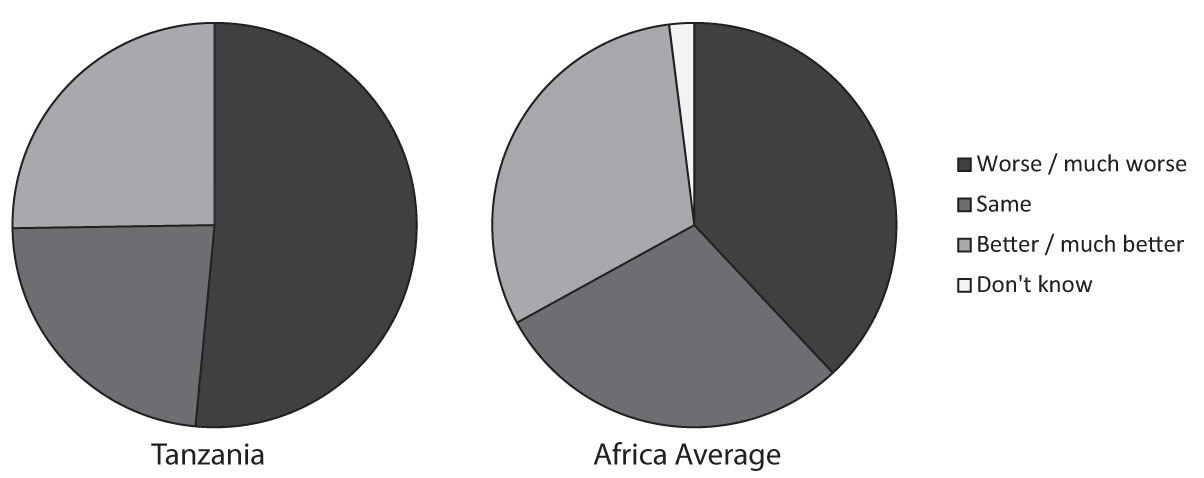
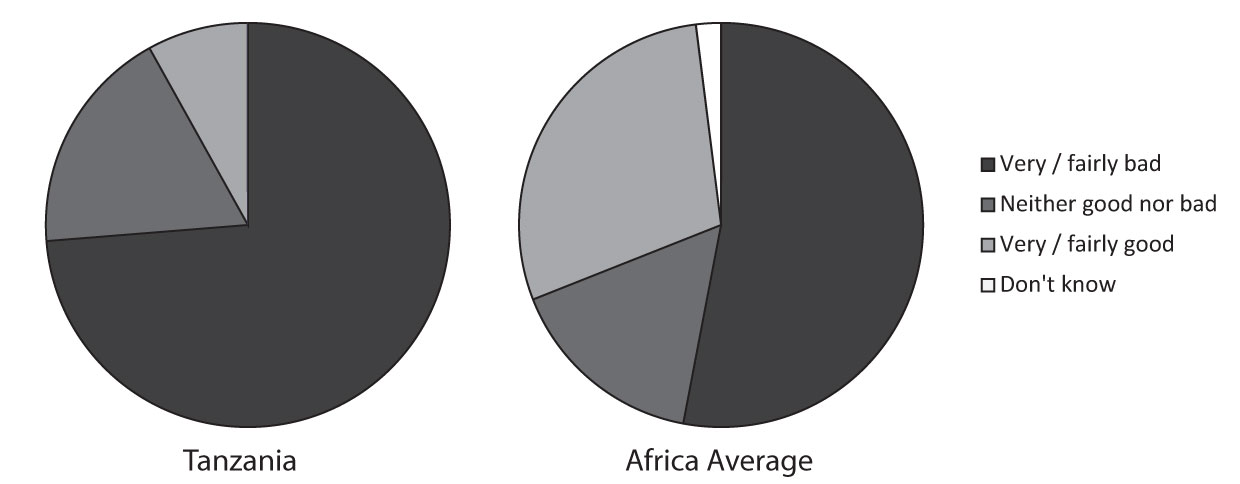
Though Tanzania has posted some enviable rates of economic growth in recent years – averaging around 7% in recent years – a new Africa-wide survey shows that Tanzanians are unconvinced by the state of the economy. The report, from Afrobarometer, found that Tanzanians were consistently much less positive about their country’s economic situation than people elsewhere on the continent.

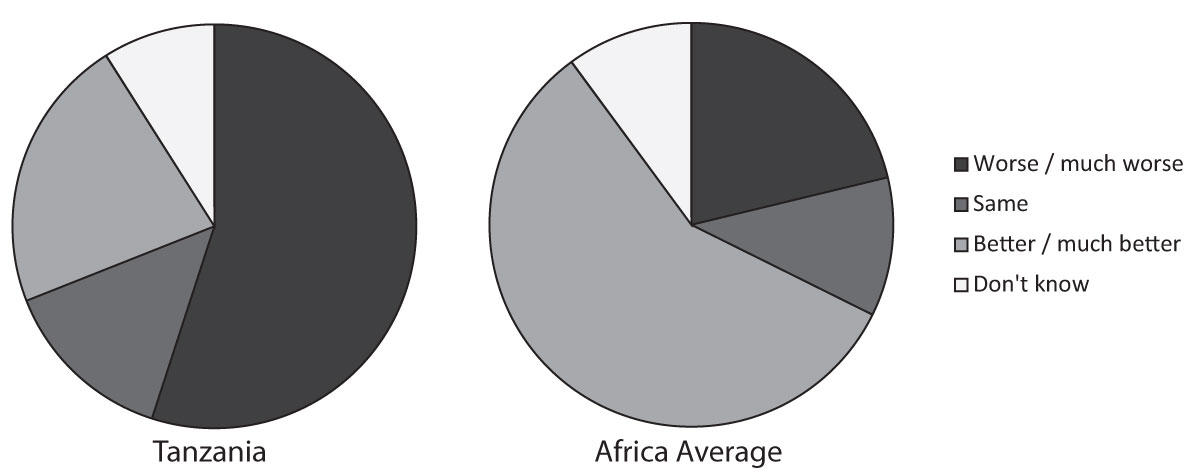
Fewer Tanzanians (8%) were positive about the current state of the economy than in any other country. Twice as many Tanzanians said that they thought the economy had got worse in the past twelve months (51%) as said it had got better (25%). Fewer Tanzanians (22%) said that they expected the economy to improve in the coming twelve months than in any other country.

1) How would you describe the present economic condition of this country?

1) How would you describe the present economic condition of this country?

2) Looking back, how do you rate economic conditions in this country compared to one year ago?

2) Looking back, how do you rate economic conditions in this country compared to one year ago?

3) Looking ahead, do you expect the economic conditions in this country in 12 months time to be better or worse?

3) Looking ahead, do you expect the economic conditions in this country in 12 months time to be better or worse?

ENERGY & MINERALS

by Roger Nellist

New jobs in Tanzania’s gas industry
An early indication of the type of career opportunities that the emerging gas industry can offer professional Tanzanians was evident from major recruitment drives in February. The Tanzania Petroleum Development Corporation (TPDC) placed an 11 page advert in The Guardian on Sunday inviting applications for 226 new posts across 39 technical, managerial and administrative disciplines. Reflecting the offshore gas field locations and the expected onshore facilities, nearly three-quarters of these jobs (161) will be in Mtwara, with a handful shared with Songo Songo), and the remainder in Dar.

Mindful of regional interests and concerns, the BG Group (working with Ophir, Statoil and ExxonMobil in the south) also advertised for a Community Liaison Officer (CLO) in Tanzania. With progress on a potential large LNG project imminent, the CLO will build relationships with local stakeholders so that local concerns can be addressed before work is initiated.

Other recent petroleum developments
In January President Kikwete confirmed that the government will establish a special fund to receive a portion of revenues collected from natural gas production. The fund will be used to support national projects in other sectors, so that all Tanzanians can benefit directly from exploitation of the country’s gas. Similar sovereign wealth funds have been established by other resource-rich countries. Kikwete said Parliament will oversee the process, adding that the government is examining ways to sell TPDC shares to Tanzanians to ensure broader ownership and benefits.

The Australian company Swala Energy, which is prospecting for oil and gas in the Pangani basin and in the Kilosa-Kilombero area, has been in discussion with Tanzania’s financial authorities about floating shares on the Dar Stock Exchange. Swala is seeking to raise US $2 – 3 million from Tanzanian and other East African Community investors to fund further exploration work in its licence areas, where early results were encouraging.

In March, London-based Solo Oil confirmed the start of seismic surveys in its onshore south-eastern Tanzania licence area to determine future drilling locations. In 2012 its Ntorya-1 Well discovered “significant” reserves of gas-condensate. Solo has been seeking potential partners and expects to transport the gas through the pipeline now being built by the Chinese from Mtwara to Dar.

TANESCO troubles
Faced with large debts and increased demand for its services, TANESCO has threatened to disconnect defaulting customers. At end 2013 it was owed TSh233bn (about £90 million), of which more than half (TSh129bn) was owed by government institutions. In January 2014 TANESCO raised its tariff by 67% for domestic consumers, who will pay TSh100 per unit of electricity instead of TSh60. TANESCO has introduced a more effective procurement system to speed up customer power connections, for which applications have risen from 30,000 in 2006 to 143,000 now. It is also planning management changes to improve its service to the public and has also warned people to stop tarnishing its image through social media sites (there is much criticism of TANESCO providing almost TSh 1bn p.a. of electricity free to its staff).

In February the Parliamentary Committee on Energy and Minerals told TANESCO to inform people on the actual cost of installing electricity in rural areas under the Rural Energy Agency (REA) scheme. In some villages the uptake of the scheme has been low, partly because REA has been charging villagers for electricity poles, contrary to a government directive. During 2013/14 Parliament voted TSh 881bn for rural electrification projects. REA said that in the first phase 22,000 rural dwellers in 16 districts were connected and villages in a further 24 districts will be connected in a second phase starting this year.

Mineral mapping
In January, Energy and Minerals Minister Muhongo published the results of the latest high resolution airborne geophysical survey, indicating that 31 districts on the mainland have “plenty” of mineral reserves – specifically gold, diamonds, iron, nickel and copper. These surveys are an effective mineral prospecting tool and help the government meet its target of increasing mineral revenues to 10% of GDP by 2025. The surveys also assist land-use planning, environmental management, groundwater detection and animal conservation. A second phase survey will cover other districts.

KIKWETE IN THE UK

by Jacob Knight

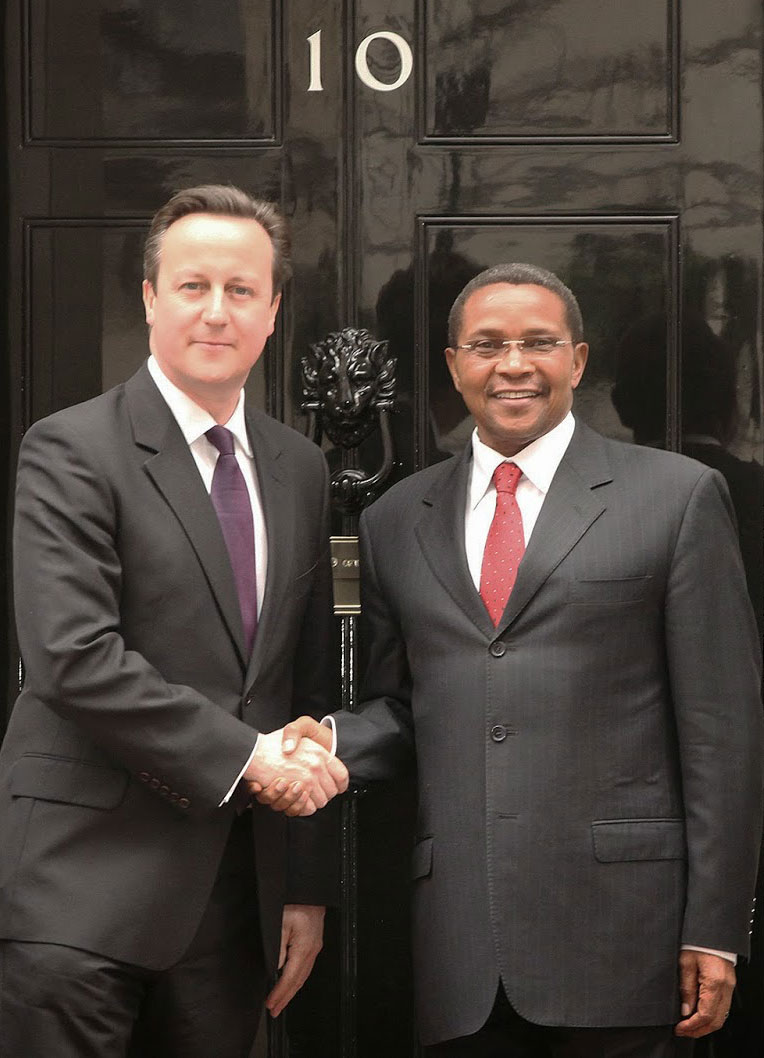
Kikwete and Cameron outside No 10 Downing Street

Kikwete and Cameron outside No 10 Downing Street

President Kikwete visited London from 31 March-1 April on a three day official visit. He met with the Prime Minister David Cameron and Foreign Secretary William Hague and held talks at Buckingham Palace with the Duke of York, Britain’s Trade Ambassador. The President opened the UK/Tanzania Trade and Investment Forum and visited Aberdeen to see UK expertise in the oil and gas sector. William Hague noted during the visit: “I am delighted at the growing partnership between the UK and Tanzania on a number of fronts. Tanzania offers significant opportunities for British businesses in the energy sector and beyond and has the potential to become a major new global gas supplier.”

The President also met with over 500 diaspora in North Wembley, urging them to play a meaningful role in the country’s affairs and noting that the issue of dual citizenship was being considered.

UK MP DELEGATION ON NUTRITION & EDUCATION

by Steve Lewis

“You can’t study if you’re hungry” is a new report by RESULTS UK, looking at how the Government of Tanzania is addressing challenges related to early childhood development. The report focuses on the impact of undernutrition on the education and learning of children.

Two UK MPs, Mark Williams and Cathy Jamieson, accompanied by RESULTS UK staff, took part in a fact finding delegation to assess how undernutrition and limited access to education were impacting the abilities to achieve their potential. The visit also looked closely at how UK aid is supporting Tanzania to make progress on these issues.

The report states that in Tanzania, 42% of children under five are chronically malnourished (stunted) whilst 5% are severely malnourished (wasted). Undernutrition can lead to permanent physical and cognitive damage that can impact a child’s performance in school. While Tanzania has experienced steady economic growth over the last few years, economic growth on its own is not sufficient to reduce undernutrition. The report recommends that the Tanzanian government, supported by donors like the UK, should invest directly in nutrition programmes to effectively achieve nutritional outcomes.

From meetings with Tanzanian MPs and Government officials there appears to be strong political leadership for addressing Tanzania’s nutrition challenges, although coordination among multiple ministries is a concern. The report urges that this high level political commitment is matched by better collaboration among agencies and an increase in resources to allow nutrition to become a priority throughout all ministries and districts. This is essential for ensuring that nutrition outcomes improve. In the long term, the governments of both the UK and Tanzania should advocate nutrition becoming a distinct priority in the post-2015 development framework.

In Tanzania, a lack of essential nutrients in the average child’s diet is one of the key determinants of undernutrition – it is not necessarily a lack of food, but a lack of nutritious and varied food. Lack of nutrients and vitamins can be mitigated through the fortification of staple foods such as flour and salt. The Tanzanian government has recognized the cost effectiveness of this method and has, with the help of the UK government, invested in fortifying flour. The report recommends Tanzania expands on this by fortifying other key staple foods, such as maize.

Tanzania has made very strong progress in getting children into primary school, and the net enrolment of children is now at 95%. However, many children are marginalised by ‘under the counter’ school fees and classes are often overcrowded because of the lack of trained teachers. The delegation visited a teacher-training college, which is supported by UK aid, and saw how important this was.

It is important that the UK government continues its support to teacher-training in Tanzania, supports teacher recruitment and works closely with the Government of Tanzania ensure that the teaching profession is valued, with salary and conditions to reflect this.

AGRICULTURE

by Paul Gooday

Fear mounts as government plans to tax basic agro-inputs
The government intends to tax basic agricultural inputs, raising concerns about its commitment to transform the key economic sector. Over 300 essential modern agricultural technologies and supplies critical for farming mechanisation will be removed from the list of the zero-rated value added tax items, through the VAT Tax Bill of 2013. The VAT Bill, to be brought to the National Assembly in 2014, will only exempt 17 items.

Fertiliser is among the items to be removed from the zero-rated list. This means that fertiliser, which is already considered expensive by most smallholder farmers, will soar to TSh94,400 up from TSh80,000 per 50kg bag. Due to its high costs, the level of fertiliser use in Tanzania is as low as 7kgs nutrients per hectare, compared to 27 kg nutrients per hectare for Malawi and 53kg for South Africa, and well below the recommended minimum of 50kg of nutrients per annum.

Other items to be removed from VAT exemption include irrigation and water harvesting technologies; pest management products and plant protection substances, especially chemicals and biological control agents; special planting materials like plastic bags and seed trays; storage, post-harvest and cooling facilities and equipment such as refrigerators; materials for construction and expansion of farm infrastructure including greenhouses; and packaging materials of all kinds.

Should the Bill be passed a standard 18% VAT will be applicable on agricultural inputs, and will result in higher costs of production, reduced investment, lower production and potentially food insecurity. Farmers say that the move will discourage agricultural mechanisation and make the country less attractive to investors. Local produce will become uncompetitive in the world market and will drive an inflation upsurge.
(The Citizen)

Unilever 110 Million Euro Agricultural Investment in Tea Production
Unilever has chosen the Southern Agricultural Corridor of Tanzania (SACGOT) to expand its tea production. The planned investment will triple Unilever’s production of tea from smallholders and is expected to generate significant export revenue, projected at €110 million. As a partner of Tanzania’s SAGCOT initiative, Unilever will ensure that its investment also addresses social economic and environmental goals. The investment will promote development in the Iringa and Njombe regions by creating 10,000 jobs, enhance the livelihoods of another 2,000-3,000 tea small holders, and in total, touch the lives of an estimated 50,000 people. Unilever has signed an agreement with the Ministry of Agriculture, the Tanzania Tea Board and the Tanzania Smallholder Tea Development Agency, to progress the development of the project in line with the government’s social and economic aspirations. (Tanzania Invest)

HEALTH

by Ben Taylor

Teen pregnancy
East Africa ranks second globally after West Africa as the region with the highest number of women reporting a birth before the age of 18, according to a new report by the United Nations Population Fund (UNFPA). The report, Motherhood in Childhood: Facing the challenge of adolescent pregnancy, said Uganda leads the region in teenage pregnancies at 33% followed by Tanzania (28%) and Kenya (26%).

This is a big concern for policymakers given that the five East African Community countries are grappling with fast-rising populations that threaten to strain their limited economic resources. The high population growth rates are blamed on low usage of contraceptives.

A second recent report, Forced out, by the Centre for Reproductive Rights, indicated that over 55,000 female students in Tanzania have had to leave schools in the past decade because of pregnancy. Contraceptive use among adolescent girls remains minimal; only 10.7% of sexually active women aged 15-19 report using any family planning method.
(The East African)

Good progress on malaria
Tanzania leads Africa in the proportion of households owning Insecticide Treated Nets (ITN), according to the World Malaria Report, published by the World Health Organisation. Over 50% of Tanzanian households own enough nets for all household members, and 91% of households own at least one treated net. The report notes that Tanzania has also made good progress in the incidence of malaria, from nearly 13 million cases in 2009 to under three million in 2012, and from 16,776 deaths in 2009 to 7820 in 2012. (The Citizen)

TANZANIA IN THE INTERNATIONAL MEDIA

by Donovan McGrath

Where Tanzania Taps Its Feet
Jahazi Modern Taarab. Photo John Kitime  http://tanzaniadance.blogspot.com/

Jahazi Modern Taarab. Photo John Kitime http://tanzaniadance.blogspot.com/

The focus of this article by Rachel B. Doyle is on the vibrant live music scene in Dar es Salaam. This extract is on the venues, artists and music styles:
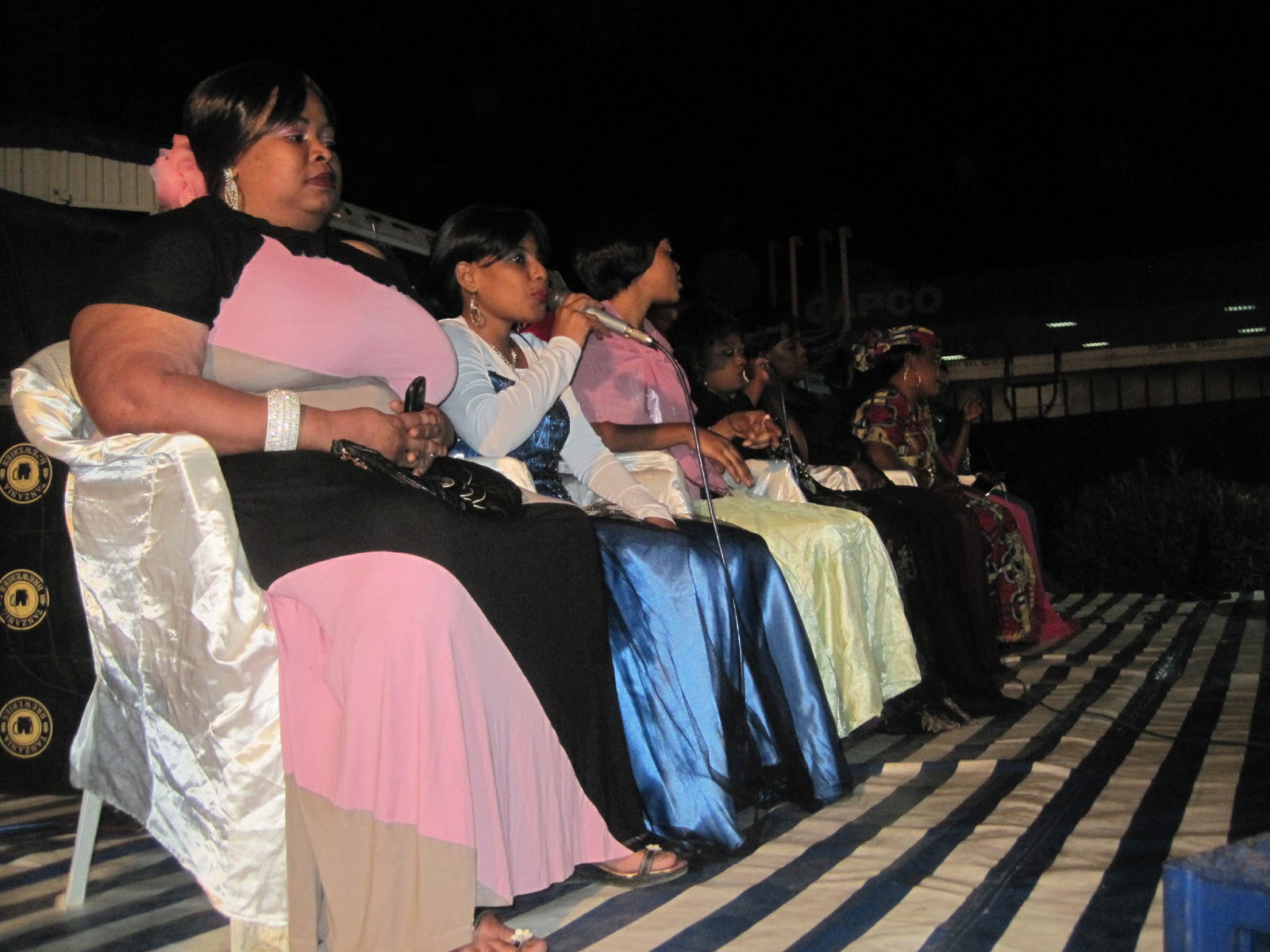
The concrete lot next to the Hotel Travertine in downtown Dar es Salaam was full of swaying women in elaborate floor-length gowns trimmed with sequins… Jahazi Modern Taarab were performing a spirited song about love gone wrong, featuring a male-female call-and-response… For certain songs, the crowd rushed to the dance floor en masse. Stop by the hotel on any Sunday and you’ll find the band in full swing … part of a boisterous and exciting music scene that rivals that of any in Eastern Africa… “Tanzanians, they love music. I think they want us to play every day so they can come,” said Jackie Kazimoto, lead singer of Jagwa Music, one of the city’s most thrilling live acts.

Dar’s soundscape is a riot of genres, from modern taarab, which mixes a traditional Swahili sung-poetry style with electronic and Arab-influenced rhythms, to mchiriku, the raw, urban sound that Jagwa Music plays, which is generally found in neighbourhood block parties. You can also dance to classic rumba or bongo flava, the local brand of hip-hop… At the open-air venue Mango Garden, you can enjoy a tasty chicken pilau dish while dancers in matching outfits stomp to catchy Congolese-style rhythms of African Stars Band, whose songs blare from radios across the city…

Leo Mkanyia, a 32-year-old Dar musician, attributes this diversity to the country itself. “We have 125 tribes, and all of them have different tunes, different melodies, different music and traditional music instruments,” he said. I met Leo at Kibo Bar at the Serena Hotel, where he was per­forming for guests as the leader of a five-piece band. “People here are proud of their music. They love their music, and support it.” (New York Times – online 18 March)

Port of Call
Alexander Wooley highlights major problems with goods passing through Dar es Salaam harbour.
Extract: Dar es Salaam had its first boom in 1887 when the German East Africa Company set up operations there, turning the city into the main shipping portal into German East Africa. After World War I, Dar came under British rule and became a provincial trading post… The port has remained important regionally, but has been well off the major shipping routes between Asia and Europe. Now the Tanzanian government wants to change that. It hopes that with a few improvements it can turn Dar into a major regional trade hub, catapulting Tanzania into the global ranks of middle-income countries. Those plans rest on Dar becoming an increasingly important port for six neighbouring countries: Burundi, the Democratic Republic of Congo (DRC), Malawi, Rwanda, Uganda, and Zambia.

But to get there, Dar has some work to do. The port clears $15 billion of goods each year, but it is woefully inefficient. It is not among the hun­dred busiest ports in the world; Durban, which ranks 42nd in container traffic, is six times busier than Dar. Goods – sometimes entire containers – disappear. Ships sway idly at anchor, gathering barnacles while they wait ten days, on average, before being able to berth in the port and then ten more days to unload cargo and clear it through customs. With rental rates for large merchant ships typically ranging from $10,000 to $20,000 per day, the delays add tens of thousands of dollars to shippers’ costs. The standard international waiting time is two days. In 2012, container vessels at Mombasa, Dar’s only real rival in East Africa, took less than a day to berth ships and three to four days to unload, clear, and transport their cargo. And whereas the Kenyan port charges flat rates, Dar’s fees are based on the value of the merchandise, which partially accounts for why Tanzania’s dock fees are 74 percent higher than Kenya’s.

Last year, a World Bank report estimated that if Dar became as efficient as Mombasa, it would boost the Tanzanian economy by $1.8 billion per year, equivalent to seven percent of GDP. The report noted that the port’s inefficiency, coupled with poor roads and “administrative obstacles” – tariffs, corruption, bureaucracy, and technology gaps – mean that it is nearly two and a half times more expensive to import food from Vietnam to Tanzania than from Germany. Dar’s problems are not just Tanzania’s. Five or six African countries that it serves are landlocked (the DRC has a port on the Congo River at Matadi)… From a distance, Tanzania, with its long coastline and natural harbour at Dar es Salaam, appears primed to avoid these traps. But the view from the ground is different. The country is open to global trade but not always accommodating; goods offloaded after a long stay in Dar must then venture the poor roads that meander across the country to reach their final destination. (Foreign Affairs – online 5 February)

$523m Dar port deal takes a new twist
Extract: ‘Tanzania has cancelled a $523 million tender for the expan­sion of the Dar es Salaam port, arguing that the Chinese contractor had overpriced the project. The government d instead chose Impala Africa, a Congolese firm, in a deal that adds a fresh twist to the planned expan­sion of the port’s berths 13 and 14. Some analysts have questioned how the company [Impala Africa] was chosen to handle such a big project… Transport Minister Harrison Mwakyembe said that the earlier estimates by the Chinese firm, which put the cost well over $500 million, were much higher than what Kenya spent to expand the port in Mombasa…’
(East African 4-10 January)

The 10 Most Powerful Men in Africa 2014

Two Tanzanians are on the Forbes 2014 list: January Makamba and Mohammed Dewji.

Extract: Leonard Ravenhill once wrote “the opportunity of a lifetime must be seized within the lifetime of the opportunity,” and some of the business moguls and entrepreneurs, emerging political leaders, rising corporate titans from Africa are seizing the opportunity of turning the continent around… Our list is distinctive in that it identifies African men who are innovative, courageous, daring and often disruptive in their fields, often times without much fanfare…
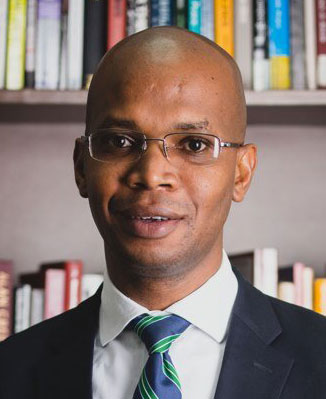
January Makamba

January Makamba

January Makamba… is one of Tanzania’s rising stars in government. He is currently the Deputy Minister of Communication, Science and Technology and is rumoured to run for President in 2015. Makamba is a Member of Parliament for Bumbuli constituency. Before running for the Bumbuli seat, Makamba was aide to Tanzanian President Jakaya Kikwete for five years. Named Young Global Leader class of 2013 by the World Economic Forum, Makamba comes from a political family; his father, Yusuf Makamba
was Secretary General of the ruling CCM party…

Mohammed Dewji

Mohammed Dewji


Mohammed Dewji… is the Group Chief Executive Officer of Mohammed Enterprises Tanzania Limited (MeTL) and at 39 is the youngest member of the Forbes’ Africa’s 50 Richest list with an estimated net worth of US $500 million. The MeTL Group began as a family business, a small trading company which Mohammed transformed into one of the largest industrial conglomerates in East Africa, with interests ranging from real estate, agriculture, finance, distribution and manufacturing. The company employs more than 24,000 people across Tanzania and according to Dewji, generates annual revenues of US $1.3 billion. Dewji has been a Member of Parliament since 2005. (Forbes – online 31 January)

Fancy a cheeky Tanzanian red? Three Tanzanian wines making a splash
This article mentions African wines beyond the well-known South African Capes.
Extract: Tanzania’s Dodoma region produces three wines – dry white, red and “natural sweet”. Khadija Madawili, technical manager at SABMiller Tanzania, said the red has a smooth, rounded taste and is best with “Nyama Choma,” a local delicacy of roasted spiced meat, while the “natural sweet” is the perfect compliment for light salads or simply enjoyed as an aperitif. The Dodoma region is home to a number of grape varieties, including Chenin Blanc, Shiraz, Cabernet Sauvignon and Makutupora, a local dry red. Madawili added that the dry earth and sandy soil, combined with low humidity, is perfect for producing dry white and red wines. She said: “We have two harvests a year, in March and August/September. After harvest the farmers leave the plants to rest for only one month.” (CNN – online 9 January)

No homosexuality debate in Tanzanian Assembly
Extract: In Tanzania, the Constituent Assembly has barred any debate on homosexuality. It all started when a member from Zanzibar, Asha Makame, warned the Assembly that there were MPs in the House financed by countries wanting to advance the homosexuality agenda… The Assembly’s interim chairman, Speaker of Zanzibar House of Representatives Pandu Ameir Kificho, said the Assembly was not the right place to discuss sexual behaviour.’ (East African 1-7 March)

Tengeru: A Long lost Polish history
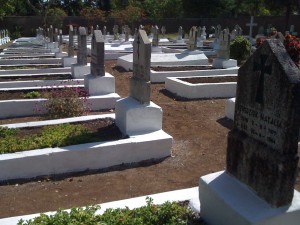
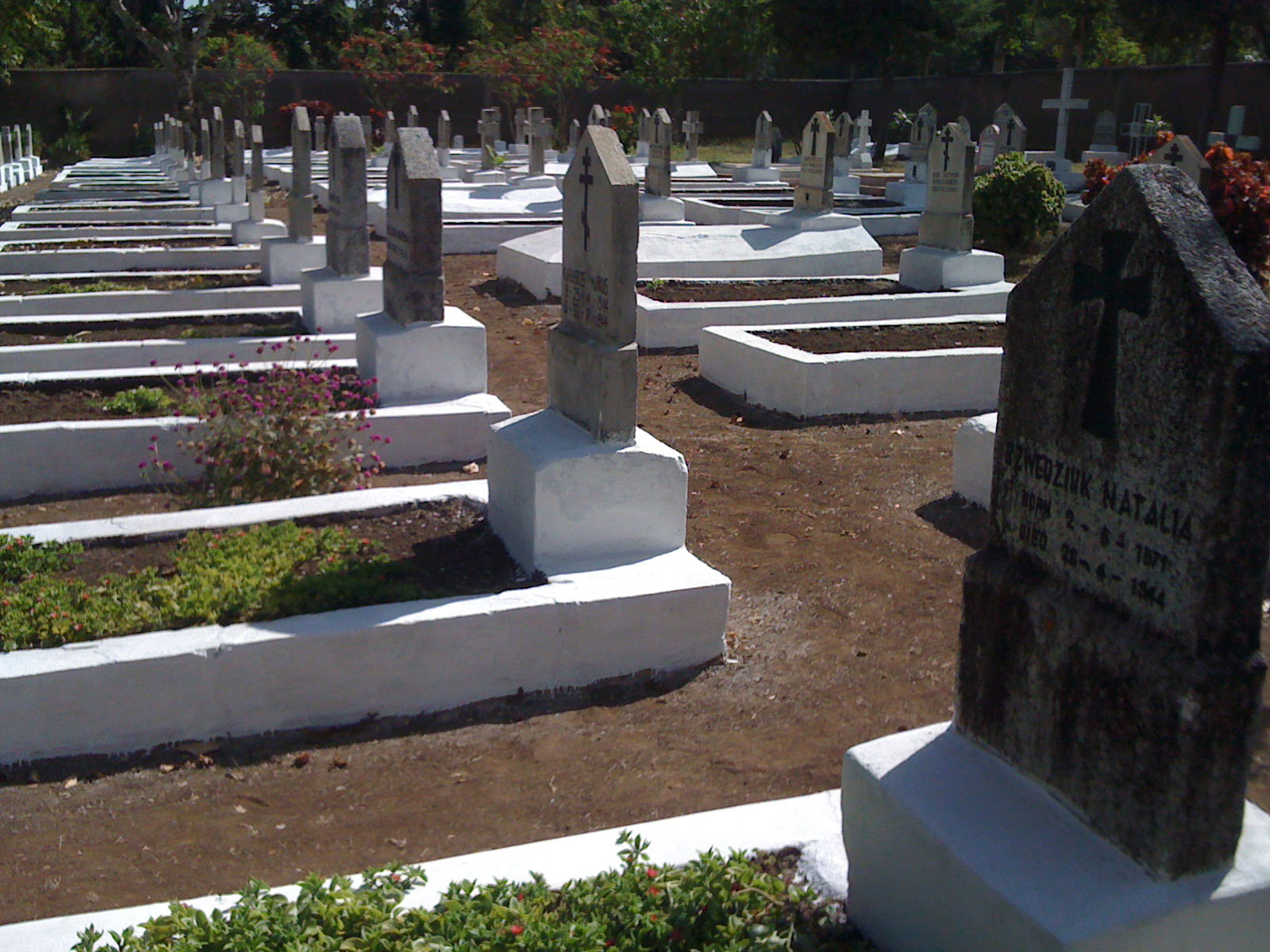
Tengeru graveyard - Photo Adam Bemma http://adambemma.com/

Tengeru graveyard – Photo Adam Bemma http://adambemma.com/

David Meffe tells how a typical European tradition to mark All Saints’ Day also took place in a Tanzanian village.
Extract: In many parts of Christendom, the day [1 November] is a national holiday commemorated by a visit to graveyards, in order to plant flowers and light candles in remembrance and celebration of one’s ancestors. This tradition is especially prominent among the people of Poland. However, one such visit this month took place not in Poland, but curiously enough, here in East Africa, in a small village called Tengeru on the outskirts of Arusha. The community boasts a little known history that begins in war-ravaged Eastern Europe and ends in the shadow of Mt Meru… When Germany invaded the Soviet Union in 1941, many Poles were released from camps in order to raise an army to aid in the national struggle against the Nazis… However… many had nowhere to go and the British, then allies of the Soviets, agreed to a proposal in which refugees from Europe would be spread across the vast British Empire for safety… a group of roughly 5,000 Polish citizens ultimately found refuge in… Tengeru in what was then known as Tanganyika Territory. Here, the Polish refugees lived for nearly 10 years in harmony with the local residents, after which some continued with their journey, finding homes in Britain or America, while roughly 1,000 decided to settle and call Tengeru home for several generations…

[I]n a tiny walled cemetery 149 refugees are buried under white stone crosses or Jewish Stars of David… Today, Tanzanian Simon Joseph is charged with preserving the cemetery and acts as curator for visitors and the hundreds of pilgrims who come every year to pay respects to their long lost ancestors. Joseph inherited the site from his father who lived and worked with the small Polish community for many years… The maintenance and upkeep of the graveyard is funded entirely by the Embassy of Poland in Kenya, as well as by visitor donations… Today, only one living refugee of the Tengeru community remains, 97-year-old Arusha resident Edward Woytowicz… Once Mr Woytowicz dies, he will be the final soul laid to rest among his people, the end of a journey that spanned several thousand kilometres in search of peace and freedom in East Africa…’ (East African 14-20 December)

Tanzania must be a rich country to pay MPs so much
Elsie Eyakuze shares her thoughts on the amount Tanzanian politicians pay themselves.
Extract: If we were all given the ability to vote on our own salaries, who wouldn’t go for the millions? …an infographic available on the Internet showed that Kenyan politicians have awarded themselves a salary that is 97 times the GDP per capita. Tanzania’s politicians, on the other hand, have had to keep up a facade of humility and egalitarianism, which must undoubtedly irritate them. Socialist hangovers are no joke… It was only a matter of time before the prosperity of our neighbours’ political classes would serve as an inspiration to us. And so the news that this current crop of parliamentarians have awarded themselves a severance package of close to $100,000 is only shocking in the sense that we’re a country of people who aren’t used to knowing all that much about what kind of money our politicians make… The question is, how did we end up with a political system with a gaping loophole like this? Our politi­cians literally hold the keys to the public kitty…

Rumour has it that being a politician here is very expensive and sometimes a risky investment… Greed only explains some of the problem, the rest is just an aspect of belonging to a patronage system that is likely to force you to find creative ways to recoup your costs, like a big fat package at the end of your term. Unfortunately, this is not a good time for us to see our politicians put their hands all over our public funds again. Don’t these folks believe in spin doctors? A move like this is going to raise the obvious questions: Just how poor or rich or whatever is this country anyway? How can we afford to pay parliamentarians that kind of money when we can’t seem to do anything halfway decent in the areas of public service that affects the quality of life for the majority? … Maybe we need to coin a term for our particular political principle: Contradictory development. (East African 8-14 February)

Tanzanian citizens will have the right to information – Kikwete
President Kikwete has at last broken the government’s silence on enacting the much sought Freedom to Information legislation. He declared in an interview in London during the Open Government Partnership (OGP) in October, that the government is working on a bill which will be tabled before Parliament in April this year. He was interviewed alongside the Executive Director of Twaweza NGO, Rakesh Rajani
(Media Watch November – December 2013)

SPORT

by Philip Richards

Cricket
Tanzania recently took part in the World League Division 5 tournament in Malaysia with the prospect of promotion. Although they only came third, they did beat Kenya. They will now focus on the ICC-Africa Division 1 tournament in June. (The Citizen)

The Tanzanian women’s cricket team (BBC)

The Tanzanian women’s cricket team (BBC)

Women’s cricket is being lauded for developing holistic skills beyond the game. Tanzania Cricket Association’s programme for young women around the age of 13-14 supports them at a challenging time in their lives, as many are under pressure to find employment at the expense of studies and sport. By contributing to school fees, the TCA hopes to provide a brighter future for the young women themselves whilst strengthening women’s cricket generally. (BBC)

Athletics
More than 40 athletes are expected to attend international training camps ahead of this summer’s Commonwealth Games in Glasgow. Tanzania is also hoping to send some Paralympic athletes to Glasgow, but there are difficulties in getting the disabled athletes properly classified locally and hence participation is in doubt (www.ippmedia.com).

Disabled tennis
We are often astounded by the talent and determination of disabled sportspeople, and Tanzania has its own stories of inspiration. The charity Friends of Children of Tanzania, which helps people with disabilities to excel and express themselves through sport, has a partnership with the Tanzania Tennis Association to promote wheelchair tennis. Men’s and women’s teams recently competed in the All Africa tournament in Kenya, a qualifier for the 2014 Wheelchair Tennis World Cup. Although they did not win their respective tournaments, the women’s team beat the tournament’s eventual winner Kenya.

Soccer
The national side Taifa Stars have parted ways with their coach Kim Poulsen after he failed to deliver the progress expected during his two years in charge. No successor has yet been named.
In January Eton College launched a pilot project to identify and develop future Tanzanian soccer stars from pupils in rural schools in Arusha and Moshi. The sports master of Eton, Glen Pierce, led a group of three Etonians who are on their gap year before going to university. The project was sponsored by Safari Hub in collaboration with the charity ACE Africa and the Tanzanian High Commission (The Citizen, Daily News).

OBITUARIES

by Ben Taylor

Dr William Mgimwa
Member of Parliament for Kalenga constituency in Iringa, Dr William Mgimwa died in Pretoria, South Africa on 1 January 2014, of kidney failure.

Born on 20 January 1950, Dr Mgimwa began his career in finance as an accountant at the National Bank of Commerce (NBC), and his career in politics as a ward guardian. He became a lecturer at the NBC banking college in Iringa, bank manager and then director. He served as Principal of NBC College from 1997 to 2000, then as Principal of the Bank of Tanzania Training Institute in Mwanza for ten years, leaving when he was elected an MP. He was appointed Minister of Finance in 2012.

President Kikwete led a large crowd of mourners at the funeral, which was attended by an estimated 10,000 people in the village of Magunga, in Iringa. The President said his contribution to national development had left an indelible mark. Dr Mgimwa is succeeded as Minister of Finance by Saada Mkuya Salum, and as MP for Kalenga by his son, Godfrey Mgimwa.

Muhidin Maalim Gurumo
Veteran musician and founder of the Msondo Ngoma Band, Muhidim Maalim Gurumo, died on 13 April at Muhimbili National Hospital, after receiving treatment for heart problems.

Born in Kisarawe District in 1940, Gurumo’s musical career began in earnest in 1964, when he joined Nuta Jazz. He later played with DDC Mlimani Park, Orchestra Safari Sound, Kilwa Jazz and more. Gurumo’s trademark was infusing traditional beats like Ndekule (from his coastal Zaramo tribe) into his compositions, giving his songs a unique flavour.

Famously hot-tempered, Gurumo once interrupted a performance to accost a lady and confiscate her shoes. It transpired that she was mistress of a band member to whom he had lent some money and who was dilly-dallying in repaying the debt. In later years, he bemoaned the poverty that many musicians of his generation lived with, in sharp contrast to the wealth of today’s Bongo Flava stars.

Ambassador Fulgenze Kazaura
The Chancellor of the University of Dar es Salaam (UDSM), Ambassador Fulgenze Kazaura, has died in February in India, where he was undergoing treatment for cancer.

Prior to his appointment as Chancellor in 2005, Ambassador Kazaura had a long and distinguished career as a senior civil servant and diplomat and as chairman of the UDSM Council for over a decade. On graduating in Economics from the University of Cambridge in 1965, he joined the National Development Corporation. Later he served as Tanzania’s Ambassador to the European Union in Brussels.

His friend and fellow diplomat, Ambassador Juma Mwapachu, said Kazaura was “a superbly intelligent person. He had a strong grasp of facts about the Tanzanian economy, to the point of often being, deservedly, quite arrogant about it.”

Patrick Qorro
Former Minister for Agriculture and Cooperatives and Member of Parliament for Karatu, Patrick Qorro, died on 8 February at the Muhimbili Othopaedic Institute in Dar es Salaam, where he had been undergoing treatment. He was 72.

Mr Qorro served as Minister for Agriculture and Cooperatives in the 1970s during the presidency of Julius Nyerere. Appointed first when he was aged just 28, he was then the youngest minister in the Cabinet. He quit active politics in 2000 after losing the Karatu seat to Chadema secretary general Dr Willibrod Slaa.

Judge George Liundi
The first Registrar of Political Parties and a draftsman of the current Tanzanian Constitution (1977), Judge (rtd) George Liundi, died on 12 January after suffering from malaria and blood pressure. He served as Registrar of Political Parties for nine years from 1993-2012, overseeing the early years of multiparty politics in Tanzania.